
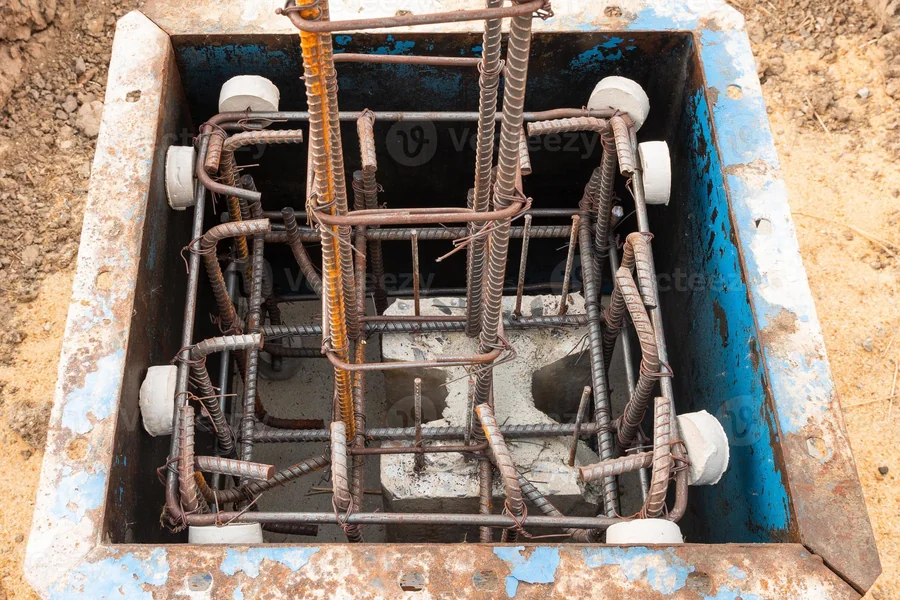
Most people think of support as something you reach for only when things fall apart. A different way to see it is as infrastructure. Just like a building needs a foundation before storms hit, people function better when support is already in place. Waiting until you are overwhelmed makes everything harder, including asking for help.
Support is not a sign of weakness or dependence. It is a practical response to the reality that life includes stress, uncertainty, and change. When challenges arise, having people and resources around you allows you to respond instead of react. This is especially important during periods of financial or professional strain, when isolation can quietly make problems feel larger than they are.
For example, navigating business challenges alone can amplify fear and poor decision making. Learning about options like business debt relief often happens during stressful moments, but those conversations are easier and more productive when you already have advisors, peers, or trusted contacts in your corner. Support turns difficult decisions into shared problem solving instead of solitary pressure.
Support Is More Than Emotional Comfort
When people hear the word support, they often think only of emotional reassurance. While emotional support matters, a strong foundation includes practical and motivational support as well.
Practical support might include advice, shared resources, or hands on help with tasks. Motivational support includes encouragement, accountability, and perspective when self-doubt creeps in. These forms of support work together. Emotional reassurance without practical guidance can feel comforting but incomplete. Practical advice without empathy can feel cold and overwhelming.
A balanced support network offers both understanding and action.
Why Isolation Feels Safer Than It Is
Many people isolate during hard times because it feels safer. Asking for help can trigger fear of judgment, rejection, or appearing incapable. In reality, isolation often increases stress and reduces clarity.
When problems stay internal, they tend to grow. Without outside perspective, it is easy to catastrophize or assume there are no good options. Support interrupts that loop. Even one grounded conversation can restore proportion.
Research consistently shows that social connection improves resilience and mental health. The American Psychological Association highlights how strong social support reduces stress and improves coping during difficult periods.
Choosing The Right People Matters
Not all support is helpful. Some people unintentionally minimize problems, offer unsolicited advice, or project their own fears. Building a foundation of support means being selective.
Trustworthy support comes from people who listen without rushing, respect boundaries, and understand their role. One person might be great for emotional validation. Another might be better for practical guidance. No single person needs to provide everything.
It is also important to consider reciprocity. Healthy support networks allow giving and receiving over time. They are not transactional, but they are balanced.
Expanding Support Beyond Personal Relationships
Support does not come only from friends and family. Professional and community resources play an important role, especially during complex challenges.
This might include financial counselors, mentors, support groups, or educational organizations. These resources offer specialized knowledge and neutrality, which can be especially valuable when emotions run high.
The Consumer Financial Protection Bureau provides educational tools and guidance that help people navigate financial decisions with more confidence. Their consumer resources support informed decision making.
Building Support Before You Need It
The strongest support systems are built proactively. This means nurturing relationships, staying connected, and learning where to find resources before a crisis hits.
Proactive support building might look like maintaining regular check ins with trusted people, participating in professional communities, or learning about available services. These actions create familiarity and reduce the barrier to reaching out later.
When support is already established, asking for help feels less dramatic and more natural.
Learning To Ask Clearly
One common challenge is not knowing how to ask for help. Vague requests often lead to disappointment. Clear requests create better outcomes.
Instead of saying you are overwhelmed, you might say you need help thinking through options or you need someone to listen without fixing. Clarity helps supporters respond effectively and reduces misunderstandings.
Asking clearly is a skill. It improves with practice and self-awareness.
Support As A Tool For Growth, Not Just Survival
Support is often framed as something that gets you through hard times. It also accelerates growth during stable periods. Feedback, encouragement, and shared learning all expand perspective.
People who grow sustainably rarely do it alone. They are surrounded by people who challenge them constructively, celebrate progress, and provide reality checks when needed.
This kind of support helps prevent burnout and keeps goals aligned with values.
Navigating Setbacks With Support
Setbacks feel different when you are supported. They become problems to solve instead of verdicts on your ability. Support helps reframe setbacks as information rather than failure.
This reframing preserves motivation. It allows you to adjust strategies without losing confidence. Over time, this builds resilience that does not depend on perfect outcomes.
Maintaining Boundaries Within Support Networks
Healthy support includes boundaries. You are not obligated to share everything with everyone. You are allowed to protect your energy and privacy.
Boundaries keep support sustainable. They prevent overreliance and reduce resentment. Clear boundaries also make it easier for others to support you without feeling overwhelmed.
Support works best when it respects autonomy as much as connection.
Redefining Strength Through Connection
Strength is often associated with independence. A more accurate definition includes interdependence. Knowing when and how to lean on others is a form of competence, not weakness.
Building a foundation of support means accepting that life is easier and richer when shared. It means surrounding yourself with people and resources that help you think clearly, act intentionally, and recover more quickly from setbacks.
When support is part of your structure, challenges lose their power to isolate you. Instead of facing difficulties alone, you face them with perspective, tools, and people who remind you that you do not have to carry everything by yourself.