
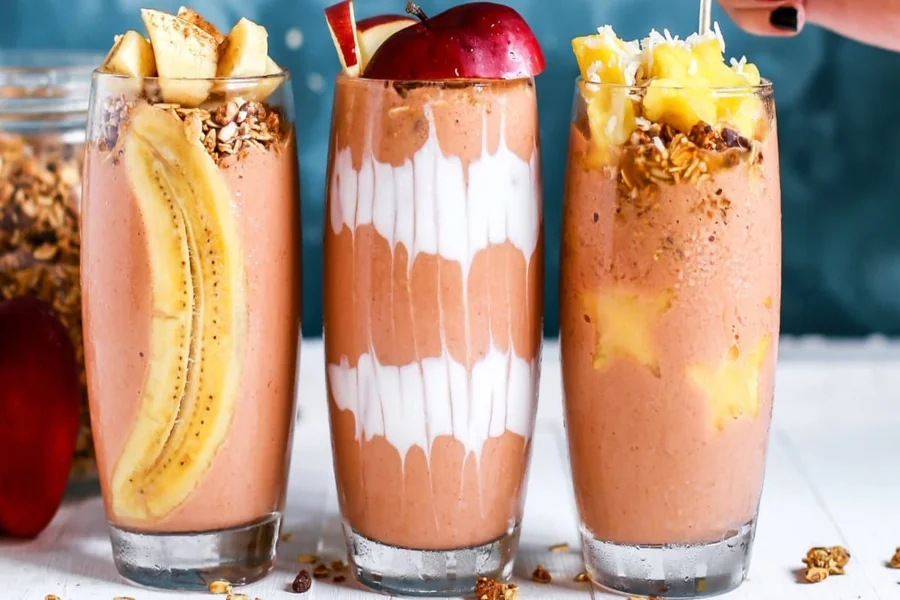
If you’ve tried mixing creatine into a glass of water, you know the experience ranges from tolerable to mildly unpleasant. The gritty texture settles to the bottom, and while creatine monohydrate is technically flavorless, there’s still something vaguely chalky about drinking it straight. For people who work out in the morning, this creates an unnecessary friction point in what should be a simple daily habit.
The solution is straightforward: blend your creatine into a smoothie you’d actually want to drink. This approach solves multiple problems at once. You get your supplement, your pre-workout fuel, and a genuinely enjoyable start to the day. More importantly, you create a repeatable system that doesn’t require willpower or decision-making at 5:30 a.m.
Why Add Creatine to Your Morning Smoothie
The research on creatine is about as clear as supplement science gets. It works, it’s safe, and the benefits compound when you take it consistently. That last part is where most people stumble. Taking creatine powder at random times throughout the day, or forgetting it entirely for stretches of the week, means you never build up the muscle saturation levels that produce measurable strength and performance gains.
Morning smoothies solve the consistency problem by anchoring your supplement to an existing habit. If you’re already making breakfast before heading to the gym, adding a scoop of creatine becomes automatic rather than something you have to remember. There’s no guesswork about timing or whether you’ve already taken it that day.
The blending process also addresses the texture issue that makes some people avoid creatine mixed in plain water. When you’re combining frozen fruit, protein powder, nut butter, and liquid, a few grams of creatine powder disappears completely. You can’t taste it, you can’t feel it, and you don’t end up with that unpleasant sediment at the bottom of your glass.
There’s some evidence that taking creatine with carbohydrates and protein may enhance absorption, though the research isn’t definitive enough to lose sleep over. What matters more is that a well-constructed pre-workout smoothie gives your body readily available fuel. The combination of quick-digesting carbs, protein, and fats creates sustained energy without the crash you’d get from simple sugars alone.
For people who train early, this ritual becomes part of the mental preparation for a workout. You’re not just throwing back a supplement. You’re fueling intentionally, which sets a different tone than stumbling into the gym half-awake.
What to Know Before Blending Creatine
The standard effective dose is 3-5 grams daily. Despite what some old-school bodybuilding forums might suggest, you don’t need to “load” with massive doses unless you’re trying to saturate your muscles faster for some specific reason. Consistent daily intake gets you to the same place with less hassle and no stomach discomfort.
Creatine monohydrate remains the most studied form, and it’s essentially flavorless when you buy a quality product. It blends seamlessly into nearly any smoothie recipe without altering the taste. The various specialty forms of creatine (hydrochloride, ethyl ester, buffered) don’t have enough compelling evidence to justify the higher price tags in most cases.
You don’t need to cycle on and off creatine. This myth persists, but your body doesn’t build a tolerance, and there’s no reason to take breaks if you’re getting benefits. Just keep taking it daily.
Hydration matters more than most people realize when supplementing with creatine. It pulls water into your muscle cells, which is part of how it works, but that means you need adequate fluid intake throughout the day. The smoothie itself contributes to hydration, but don’t let that be your only water source.
Quality does matter, particularly regarding purity and third-party testing. Companies like Naked Nutrition have built their reputation on transparent ingredient lists and verified testing, which matters when you’re putting something in your body every single day for months or years.
Recipe 1: Banana Peanut Butter Power Smoothie
This is the reliable workhorse smoothie that tastes good enough to drink year-round without getting tired of it.
Blend 1 banana, 2 tablespoons peanut butter, 1 cup milk (dairy or plant-based), 1 scoop vanilla protein powder, 5 grams creatine, and a handful of ice for about 30-45 seconds until completely smooth.
The banana provides quick-digesting carbs that hit your bloodstream fast, while the peanut butter adds healthy fats that prevent an energy spike and crash. This combination works particularly well before strength training sessions where you need readily available glycogen but also sustained focus through longer workouts.
The nutritional profile hits around 400 calories, 30 grams of protein, and 45 grams of carbs. It’s substantial enough to train on without feeling heavy in your stomach.
Recipe 2: Berry Recovery Smoothie
For endurance athletes or anyone doing longer cardio sessions, the higher carb content from oats makes this a better option than heavier protein-focused smoothies.
Start by blending 1/2 cup oats first with 1 cup almond milk until smooth. This prevents chunks of oats from surviving the blending process. Then add 1 cup mixed berries (frozen works fine), 1/2 cup Greek yogurt, 5 grams creatine, and honey to taste.
Berries bring antioxidants that genuinely seem to help with inflammation and recovery, though you shouldn’t expect miracles. The oats provide complex carbohydrates that digest more slowly than fruit alone, which helps during longer training sessions.
This comes in around 350 calories with 20 grams of protein and 52 grams of carbs. It’s less protein-dense than the banana peanut butter version, but that’s intentional for endurance work where excess protein can feel heavy.
Recipe 3: Green Energy Smoothie
The green smoothie trend has been beaten to death, but this version actually serves a purpose beyond Instagram photos.
Blend 1 cup spinach with coconut water first to break down the greens completely. Add 1/2 avocado, 1/2 cup pineapple, 1 scoop protein powder, and 5 grams creatine.
The avocado adds healthy fats and creates a creamy texture without dairy. Pineapple provides natural sweetness and contains bromelain, an enzyme that may help with inflammation (the research is mixed, but it doesn’t hurt). Coconut water brings electrolytes without added sugars.
At 320 calories with 25 grams protein and 28 grams carbs, this works well for early morning cardio followed by a lifting session. It’s light enough to not slow you down but substantial enough to fuel compound movements.
Recipe 4: Chocolate Cherry Recovery Smoothie
This is the dessert-for-breakfast option that happens to be genuinely useful for hard training days.
Blend 1 cup frozen cherries, 1 tablespoon unsweetened cocoa powder, 1 cup milk, 1 scoop chocolate protein powder, and 5 grams creatine.
Tart cherries contain anthocyanins that have shown some promise in reducing muscle soreness in studies. The effect is modest, not magical, but combined with the psychological boost of a smoothie that tastes like chocolate-covered cherries, it’s worth including on heavy lifting days.
This hits 380 calories, 32 grams protein, and 42 grams carbs. It’s rich enough that you might want to drink it 45-60 minutes before training rather than 30 minutes.
Recipe 5: Tropical Performance Smoothie
For outdoor workouts or high-intensity interval training, lighter fruit-based smoothies prevent the heavy feeling that can slow you down.
Blend 1/2 cup mango, 1/2 cup pineapple, 1/2 banana, 1 cup coconut milk, 5 grams creatine, and 1 scoop vanilla protein powder.
The natural fruit sugars provide quick energy without refined sugar crashes. If you prep ingredients the night before in individual bags, you can blend this in under two minutes, making it practical even on rushed mornings.
At 370 calories with 26 grams protein and 48 grams carbs, it’s balanced for circuit training or CrossFit-style workouts that demand both strength and conditioning.
Making Pre-Workout Smoothies Part of Your Routine
The biggest obstacle to consistent smoothie-making isn’t the recipes themselves but the morning friction of gathering ingredients when you’re half-asleep. Prepping the night before eliminates this problem entirely. Portion out your fruits, protein powder, and creatine into bags or containers in the fridge. In the morning, dump everything into the blender with your liquid and you’re done.
Blender quality matters more than people expect. Cheap blenders struggle with frozen ingredients and leave chunks that make smoothies unpleasant. You don’t need a $500 machine, but investing in something with decent power pays off in consistency and texture.
Timing your smoothie 30-60 minutes before training gives your body time to start digesting without feeling full during your workout. This varies individually, so experiment to find what works for your stomach.
Track your workouts over 4-6 weeks of consistent creatine intake to actually measure whether you’re seeing improvements in strength, power output, or workout capacity. The changes are real but gradual, and it’s easy to miss them without some record of your baseline performance.
For serious athletes looking to maximize every aspect of recovery and adaptation, some are exploring complementary tools like hyperbaric oxygen therapy chambers alongside their nutrition and supplement protocols. These represent a significant investment and aren’t necessary for most people, but the combination of optimized nutrition, consistent supplementation, and advanced recovery modalities can produce meaningful gains for competitive athletes.
The real value of blending creatine into morning smoothies isn’t just the supplement itself. It’s creating a sustainable system that removes barriers to consistency. When taking your creatine becomes as automatic as brushing your teeth, you stop thinking about it and start benefiting from it.