
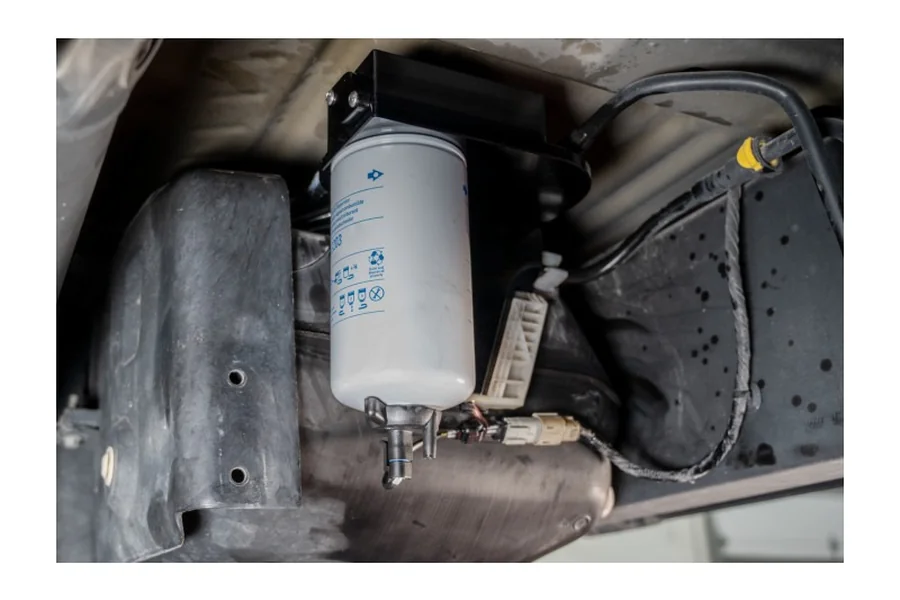
From Paper to Fleece: A Shift in Diesel Filtration
Paper and cellulose filters have had their day. Modern diesel engines chew through fuel at rates that expose every weakness in these old media types. Their pore sizes vary wildly, dirt-holding capacity is limited, and flow rates sag as contaminants pile up. Fleece filters, built from synthetic fibers with precise pore-size control, keep debris out without throttling volume. Consistent structure means they maintain high flow longer, deliver stable pressure, and absorb more grit before clogging. The point is blunt: high-output diesel systems demand filtration that can meet elevated flow requirements while still providing unflinching protection. Paper is done. Fleece is the new baseline.
Extending Service Life with Advanced Fleece Media
Fuel systems are punishing environments. Microscopic grit accelerates wear on injectors and pumps, forcing costly downtime. Advanced fleece media captures those fine particles that paper lets sail through, slicing the abrasive load in half. Industry testing shows measurable drops in pump wear over thousands of hours of operation, with injectors lasting far beyond their expected windows. The savings are hard numbers, not marketing fluff. Reduced failures mean fewer shop visits, fewer parts ordered, and more hours in service before an overhaul becomes necessary. When you factor the cost of downtime along with repair bills, upgraded filtration is more than a convenience. It’s a strategy for protecting your investment.
Fuel Savings and Power Consistency through Quality Fleece Filters
Fuel efficiency isn’t just about the engine. It’s about what gets to it and how freely. A high-flow fleece filter keeps fuel moving without bottlenecks, maintaining consistent atomization. That means more complete combustion, fewer unburned hydrocarbons, and power delivery that holds steady under load. When filters plug, they choke the system, forcing higher consumption and pushing emissions up. The result is wasted fuel and fatigued performance. Picture a simple chart: liters per hour saved under constant load, before and after switching to fleece filtration. The difference is not trivial. It’s measurable. And it’s directly tied to how clean your fuel really is at the point of combustion.
Optimizing Fleece Filter Setup for Leak-Free Performance
Precision parts deserve precise installation. That starts with inspecting O-rings for imperfections, checking torque against spec, and bleeding air out until flow is stable. Orientation isn’t negotiable. Pre-fill the filter before mounting to reduce air lock risks and prime the system thoroughly before startup. Skip these steps and you invite leaks, hard starts, and erratic pressure. To explore more about fleece performance and its impact on modern diesel systems, click here.
Routine Care to Sustain Fleece Filter Efficiency
Even premium filters eventually load up. Replace them at intervals driven by engine hours or contamination levels, not arbitrary calendar dates. A quick visual check during service calls can catch swelling or trapped debris before it impacts flow. Monitoring pressure drop across the filter will confirm whether replacement is needed. Dispose of spent media safely and according to environmental rules. Fleet managers and workshop crews should keep a short, pointed checklist to make inspections fast and effective so the filter in place matches the performance you expect.
Matching Fleece Filter Specifications to Engine Demands
Choosing the right filter isn’t a gamble. It’s a calculation tied to micron rating, flow capacity, and mechanical compatibility. A universal spin-on might fit, but could choke a system that needs higher throughput. Custom housings often deliver better sealing and optimized flow paths. Consider the duty cycle of the vehicle. Hours at idle in dusty environments differ from high-load hauling through clean air. Fuel quality varies region to region. Match specifications to reality, not wishful thinking, and you’ll hit the sweet spot between protection and flow.
Next-Gen Filtration: What’s on the Horizon for Fleece Technology
Synthetic media is evolving quickly. Nanofiber blends will push capture efficiency into ultrafine territory without cutting flow. Antimicrobial coatings could extend service life by suppressing biological growth in low-use systems. Self-cleaning membranes may eliminate mid-cycle replacements entirely. Diesel OEMs are already partnering with material scientists to adapt these advances to production engines. Expect downtime to shrink, operating costs to fall, and the line between filtration and fuel conditioning to blur.
Achieving Peak Diesel Efficiency through Superior Filter Selection
Upgrading to fleece filters is a direct path to protecting critical parts, maintaining power, and saving fuel. The longevity gains alone pay for the change, but the efficiency and reliability benefits are just as compelling. Assess your current filtration setup against the standards covered here. Install a high-flow fleece filter, run it under real operating conditions, and record the output. Proof beats theory every time.