
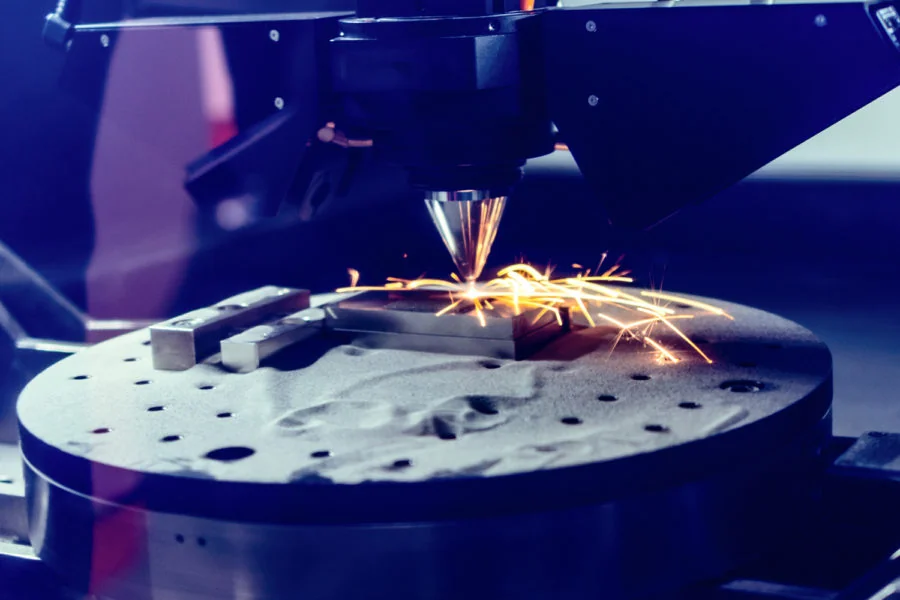
In the world of manufacturing and design, metal 3D printing has revolutionized the way products are conceived and produced. As industries continue to adopt this cutting-edge technology, there is a growing demand for skilled professionals who can leverage 3D printing for metal parts and prototypes. Enrolling in metal 3D printing courses offers numerous advantages, from career advancement to enhancing your technical skill set. In this article, we will explore the top five benefits of enrolling in metal 3D printing courses and how they can elevate your career in the rapidly expanding field of additive manufacturing.
Why Metal 3D Printing Courses Can Boost Your Career
Metal 3D printing courses provide hands-on training in one of the most transformative technologies in modern manufacturing. By gaining expertise in metal additive manufacturing, you can position yourself as a valuable asset in a range of industries, from aerospace and automotive to healthcare and engineering. Here are the top five benefits of enrolling in these specialized courses.
1. Expanding Job Opportunities in Growing Industries
As the adoption of metal 3D printing accelerates across various industries, the demand for skilled professionals has skyrocketed. The ability to design, prototype, and manufacture metal parts using 3D printing opens up a wide range of career opportunities in fields such as aerospace, automotive, medical devices, and even jewelry design. By enrolling in metal 3D printing courses, you gain the expertise needed to enter these high-demand industries.
Employers are increasingly looking for candidates who possess specialized knowledge in 3D printing, especially when it comes to metals. Whether you’re an engineer, designer, or technician, mastering metal 3D printing can make you a sought-after candidate in a rapidly growing field. The skills you acquire will not only broaden your job prospects but also increase your earning potential.
2. Enhancing Your Skill Set and Marketability
The skills learned in metal 3D printing courses give you a competitive edge in the job market. Traditional manufacturing methods, such as casting or machining, are being replaced or augmented by 3D printing technologies that allow for more efficient, cost-effective, and flexible production. Learning how to use metal 3D printing technologies—such as Selective Laser Melting (SLM) and Direct Metal Laser Sintering (DMLS)—will allow you to stay ahead of the curve and be recognized as a forward-thinking professional.
The training you receive in these courses enables you to not only understand the mechanics of metal 3D printing but also apply your knowledge to real-world applications. This makes you more marketable to employers looking for professionals with up-to-date knowledge of emerging technologies.
3. Hands-On Experience with Cutting-Edge Equipment
One of the primary advantages of enrolling in metal 3D printing courses is the opportunity to gain hands-on experience with cutting-edge 3D printing equipment. These courses provide practical training that allows you to work directly with 3D printers, giving you firsthand knowledge of the processes involved in metal additive manufacturing.
This experience is invaluable for professionals who wish to gain a deeper understanding of the technology. By learning how to operate the printers, prepare designs for 3D printing, and troubleshoot common issues, you’ll gain the confidence and competence needed to work with 3D printing equipment in a professional setting.
4. Advancing Innovation and Problem-Solving Skills
Metal 3D printing offers unparalleled flexibility in the design and production of parts, enabling engineers and designers to solve complex problems in ways that were previously impossible with traditional methods. By taking metal 3D printing courses, you develop the problem-solving and creative thinking skills needed to push the boundaries of what’s possible in design and manufacturing.
As industries continue to face challenges related to efficiency, customization, and material limitations, metal 3D printing provides a way to develop innovative solutions. By mastering this technology, you gain the tools to address these challenges and contribute to the next wave of innovation in your field.
5. Contributing to Sustainable Manufacturing Practices
Metal 3D printing is widely regarded as a more sustainable alternative to traditional manufacturing techniques. By learning how to implement 3D printing in the production process, you can contribute to more sustainable manufacturing practices. Metal additive manufacturing reduces waste by only using the material necessary for building a part, in contrast to subtractive processes like machining, which often result in large amounts of material waste.
Additionally, 3D printing allows for more energy-efficient production and the ability to produce parts on-demand, reducing the need for inventory storage and minimizing transportation emissions. Enrolling in metal 3D printing courses equips you with the knowledge to integrate sustainable practices into your work, making you a valuable asset to companies looking to reduce their environmental footprint.
Conclusion
Enrolling in metal 3D printing courses offers numerous career benefits, including enhanced job opportunities, improved marketability, and the ability to work with cutting-edge technology. By gaining hands-on experience and learning how to apply metal 3D printing techniques to real-world challenges, you can position yourself as a key player in the rapidly evolving field of additive manufacturing. Whether you’re looking to stay competitive in your current job or transition into a new career, these courses provide the knowledge and skills necessary to thrive in the modern electronics and manufacturing industries.