
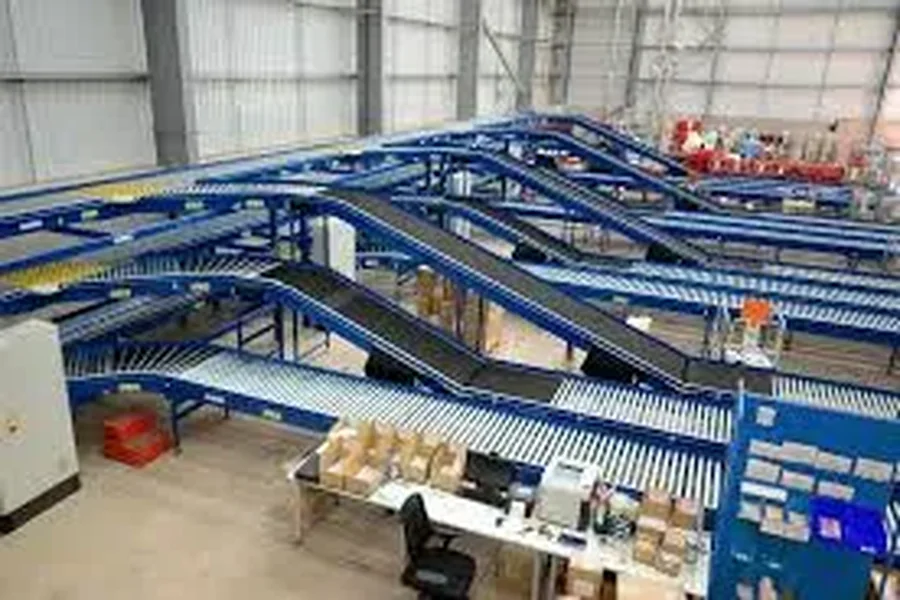
In many US manufacturing plants, conveying systems operate continuously with little attention—until they stop. When production targets tighten and labor availability fluctuates, material handling reliability becomes a central operational concern. A single tracking issue can interrupt upstream and downstream processes, affecting packaging, inspection, or assembly lines that depend on consistent flow.
A flat belt conveyor may appear mechanically simple. It moves products from one point to another in a controlled path. Yet performance over time depends on engineering decisions that directly influence stability, wear patterns, tracking behavior, and maintenance cycles. These decisions shape day-to-day plant reliability more than most operators realize.
1. Structural Frame Design and Overall System Rigidity
The structural frame forms the foundation of system stability. In detailed engineering breakdowns of a flat belt conveyor, frame integrity is treated as a primary driver of belt alignment and long-term tracking consistency. Structural rigidity is not simply about supporting load; it determines whether the conveyor maintains geometric accuracy under operational stress.
Even minor frame deflection can gradually shift pulley alignment. Over time, this leads to belt drift, uneven edge wear, and repeated manual adjustments. In high-throughput plants, small misalignments translate into measurable downtime and increased service frequency.
Alignment Tolerance and Long-Term Tracking Stability
Frames must remain stable under continuous load. If cross members flex or anchor points shift, rollers lose true alignment. The belt begins to wander, increasing tension variation across its width.
Repeated tracking correction consumes maintenance hours and reduces production continuity. A rigid structural base minimizes this cycle of adjustment.
Mounting Integration with Plant Infrastructure
Floor quality, mezzanine supports, and adjacent machinery all influence conveyor alignment. Uneven foundations introduce structural stress that can distort frame geometry over time. Clean integration with plant infrastructure preserves alignment consistency and reduces mechanical strain.
2. Belt Material Selection and Surface Characteristics
The belt determines friction behavior, durability, and compatibility with environmental conditions. Material selection must reflect product type, exposure to contaminants, and sanitation requirements.
Conveyor belts typically consist of tensile layers bonded with surface compounds tailored to specific applications. As outlined in the overview of conveyor systems on Wikipedia, belt construction influences motion efficiency and load handling stability across industries.
Surface Friction and Product Stability
Surface texture controls how products respond during acceleration and deceleration. Low-friction surfaces can cause items to slide at transfer points. Excessive friction increases motor load and energy consumption.
Balanced surface selection ensures stable product handling without introducing unnecessary mechanical resistance.
Environmental Compatibility
Temperature swings, dust accumulation, moisture exposure, and cleaning agents affect belt lifespan. In washdown environments or abrasive processing conditions, incorrect belt choice accelerates degradation and raises replacement frequency.
3. Drive System Configuration and Power Transmission
Drive configuration determines motion smoothness and torque consistency. Motor selection, gearbox type, and drive pulley diameter influence how evenly power transfers to the belt.
An underpowered drive may struggle during peak loads. An oversized system increases mechanical stress and energy demand. Proper drive sizing aligns torque delivery with operational requirements.
Start-Stop Behavior and Mechanical Stress
Frequent cycling introduces shock loads. Smooth acceleration reduces strain on belt fibers and bearings. Abrupt motion contributes to premature wear and vibration-related fatigue.
Torque Distribution and Slippage Prevention
Pulley wrap angle and traction influence grip. Insufficient contact can result in slippage under load. Slippage generates heat and accelerates belt wear. Stable torque transmission maintains performance consistency.
4. Pulley and Roller Geometry
Pulleys and rollers guide belt travel. Their diameter, crown profile, and spacing affect tracking and support.
Crowned Pulleys and Self-Centering Action
A properly designed crowned pulley helps the belt center itself during operation. This passive correction reduces the need for frequent manual adjustment. However, incorrect crown geometry can create uneven tension across the belt width.
Roller Spacing and Load Distribution
Roller placement supports the belt under load. Excessive spacing allows sag, increasing internal stress. Balanced spacing maintains consistent load transfer and reduces strain concentration.
5. Tensioning Mechanism and Tracking Control
Tension stabilizes belt motion. Too little tension leads to slippage. Too much tension accelerates wear on bearings and shafts.
Manual Versus Automatic Tensioning
Manual systems require periodic inspection. Automatic tensioning compensates for stretch and temperature variation. In facilities experiencing seasonal environmental changes, automatic systems reduce performance fluctuation.
Adjustment Accessibility
Accessible adjustment points shorten maintenance time. Systems that require partial disassembly for tension correction often experience delayed service, increasing tracking variability.
6. Transfer Points and Product Flow Transitions
Transfer design determines how smoothly products move between systems. Misaligned transitions introduce instability and surface wear.
Impact Control and Wear Reduction
Abrupt height differences or sharp transitions increase belt stress. Properly aligned transfer zones reduce impact and extend service life.
Speed Synchronization
Mismatch in speed between connected conveyors creates accumulation or spacing inconsistencies. Proper synchronization maintains steady throughput and reduces operator intervention.
7. Maintenance Accessibility and Inspection Design
Long-term performance depends on serviceability. Systems that are difficult to inspect often experience reactive rather than preventive maintenance.
Access to Wear Components
Rollers, bearings, and tension assemblies should be accessible without removing structural sections. Efficient access encourages regular inspection and timely correction.
Debris Management and Cleanability
Dust and residue interfere with tracking and surface consistency. Designs that allow straightforward cleaning prevent buildup that disrupts belt motion.
Operational Implications Across US Manufacturing Plants
Manufacturing facilities operate under strict scheduling commitments. Even short interruptions affect delivery timelines and workflow continuity. Engineering decisions surrounding flat belt conveyor design influence:
- Consistent belt tracking across shifts
- Reduced corrective maintenance calls
- Lower component replacement frequency
- Stable integration with automated inspection and packaging systems
- Predictable behavior under variable load
Each design factor reinforces the others. Structural rigidity supports pulley alignment. Proper tension stabilizes drive efficiency. Belt selection influences friction consistency. Balanced engineering reduces variability and supports dependable output.
Conclusion
Conveying systems are often evaluated by capacity and footprint. However, sustained performance depends on structural stability, belt composition, drive configuration, pulley geometry, tension control, transfer alignment, and maintenance accessibility.
In US manufacturing plants, reliability is measured by uninterrupted production. A flat belt conveyor that maintains tracking stability and consistent motion becomes a quiet but critical component of operational performance. Careful engineering decisions made during specification ultimately determine whether the system operates predictably or demands constant correction.
Reliable material handling is not incidental. It is the outcome of disciplined engineering that prioritizes alignment, consistency, and long-term stability.