
Farming has always depended on the weather, but the way farmers understand and respond to it has changed greatly. In the past, decisions were based on experience, observation, and instinct. While those skills still matter, modern farming now relies on accurate and timely data to stay productive and competitive. A weather monitor for farms has become one of the most important tools in agriculture, helping farmers understand conditions on their own land rather than relying on general forecasts that may not reflect local realities.
Weather monitoring technology allows farmers to track temperature, rainfall, humidity, wind, and sunlight in real time. This information supports better planning, reduces uncertainty, and helps farmers protect both crops and livestock. As farming faces new challenges such as climate shifts, rising costs, and pressure to produce more food sustainably, weather monitoring has moved from being a helpful option to a practical necessity.
What Weather Monitoring Means for Modern Farms
A weather monitoring system for farms is designed to measure conditions directly where crops are grown or animals are raised. Unlike public weather forecasts that cover large regions, these systems focus on specific fields or areas. This local approach gives farmers a clearer picture of what is actually happening on their land at any moment.
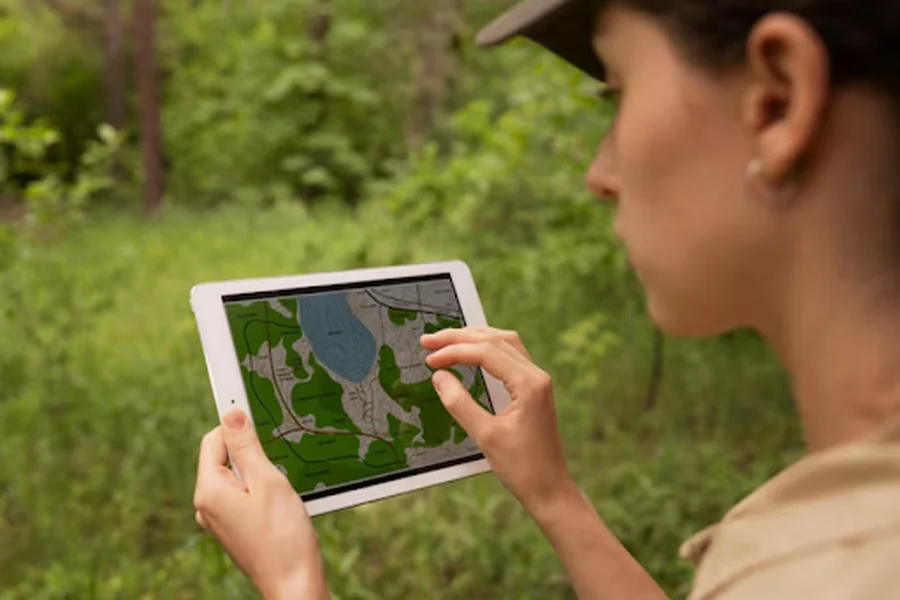
Sensors placed around the farm collect environmental data throughout the day. This data is sent to a digital platform that farmers can access on a phone, tablet, or computer. With this setup, farmers no longer need to guess whether the soil is too dry, temperatures are dropping too low, or wind conditions may affect spraying. They can see the facts clearly and act with confidence.
How Accurate Weather Data Supports Daily Farm Decisions
Daily farming decisions often depend on timing. Planting too early or too late can affect crop growth. Harvesting during poor conditions can reduce quality. Even small weather changes can influence outcomes. With a weather monitor for farms, farmers gain the ability to plan each step more carefully.
When temperatures are tracked closely, farmers can avoid planting during cold periods that may damage young crops. Rainfall data helps them decide when fields are dry enough for equipment. Wind speed information supports safer and more effective spraying. These small decisions add up, improving overall productivity and reducing waste.
Managing Water and Inputs More Efficiently
Water management is one of the biggest challenges in agriculture. Too little water can stress crops, while too much can cause disease or nutrient loss. Weather monitoring plays a key role in finding the right balance. By tracking rainfall and evaporation levels, farmers can adjust irrigation schedules to match actual needs rather than fixed routines.
This approach reduces water waste and lowers energy costs linked to pumping and distribution. Fertiliser use also becomes more precise when weather data is considered. Applying nutrients just before heavy rain can lead to runoff and loss, while applying during dry conditions may limit absorption. Weather monitoring helps farmers apply inputs at the right time, improving efficiency and protecting the environment.
Reducing Risk in an Unpredictable Climate
The weather has always been unpredictable, but changing climate patterns have made extreme conditions more common. Heatwaves, heavy rain, strong winds, and sudden temperature drops can cause serious damage if farmers are unprepared. Real-time weather monitoring gives farmers early warnings that allow them to act before problems occur.
When storms are approaching, farmers can secure equipment, protect crops, or adjust schedules. During heat events, livestock farmers can take steps to reduce heat stress and maintain animal health. These actions help reduce losses and protect farm income. Instead of reacting after damage is done, farmers can respond in advance.
Key Capabilities That Make Weather Monitoring Effective
Modern weather monitoring systems are built to be reliable and easy to use. Real-time data access is one of their most valuable features. Farmers do not need to wait for updates or reports. They can see conditions as they change and respond immediately.
Custom alerts are another important capability. Farmers can choose to receive notifications when certain thresholds are reached, such as frost risk or high wind levels. These alerts help ensure that important changes are not missed, even during busy periods or when farmers are away from the field.
Long-term data storage adds further value. By reviewing weather patterns over months or years, farmers can identify trends that influence crop choices and planting strategies. This historical insight supports smarter planning and helps farms adapt to gradual changes in climate.
Supporting Sustainable Farming Through Better Data
Sustainability is now a major focus in agriculture. Farmers are under pressure to produce food responsibly while reducing environmental impact. Weather monitoring supports this goal by promoting more precise use of resources. When farmers know exactly what conditions their crops are experiencing, they can avoid unnecessary inputs.
Reducing excess water, fertiliser, and chemical use not only lowers costs but also protects soil and surrounding ecosystems. Healthier soil supports better crop growth and long-term productivity. Weather monitoring fits naturally into sustainable farming practices by encouraging careful, informed decisions rather than guesswork.
Weather Monitoring Across Different Types of Farming
Different farming systems benefit from weather monitoring in unique ways. In crop farming, accurate weather data supports planting, irrigation, and harvest planning. Crops respond directly to temperature and moisture, making precise data especially valuable.
Livestock farming also relies heavily on weather awareness. Heat stress can reduce animal health and productivity. Cold and wet conditions can increase disease risk. By monitoring temperature and humidity, farmers can improve housing conditions, adjust feeding schedules, and protect animal welfare. This leads to healthier animals and more stable production.
Learning From Real Farm Experiences
Many farms that adopt weather monitoring report noticeable improvements. Crop farms often see better water efficiency and more consistent yields, especially when paired with reliable storage solutions and Grain Bin Accessories. Livestock farms experience fewer losses during extreme weather events. These results show that weather monitoring is not just a technical upgrade but a practical tool with real benefits.
By understanding how weather affects their specific operations, farmers gain greater control over outcomes. This knowledge builds confidence and supports long-term planning, especially in regions where weather patterns are becoming less predictable.

The Future of Weather Monitoring in Agriculture
Weather monitoring technology continues to evolve. New systems are becoming more connected, integrating with other farm management tools. This allows weather data to work alongside soil sensors, irrigation controls, and crop models. The result is a more coordinated approach to farming where decisions are supported by multiple sources of information.
Advances in data analysis are also improving forecast accuracy. As systems learn from past conditions, predictions become more reliable. This helps farmers plan further ahead and respond more effectively to change. Over time, weather monitoring is expected to play an even larger role in shaping how farms operate.
Why Weather Monitoring Is Now Essential for Farms
Modern agriculture faces increasing pressure to produce more food with fewer resources while managing greater risk. A weather monitor for farms helps meet these challenges by turning weather data into useful knowledge. It supports smarter decisions, protects crops and livestock, and promotes sustainable practices.
Rather than relying on broad forecasts or guesswork, farmers can now respond to conditions as they truly are on their land. This shift leads to stronger, more resilient farming systems. As technology continues to improve, weather monitoring will remain a core part of successful agriculture, helping farmers adapt and thrive in a changing world.