
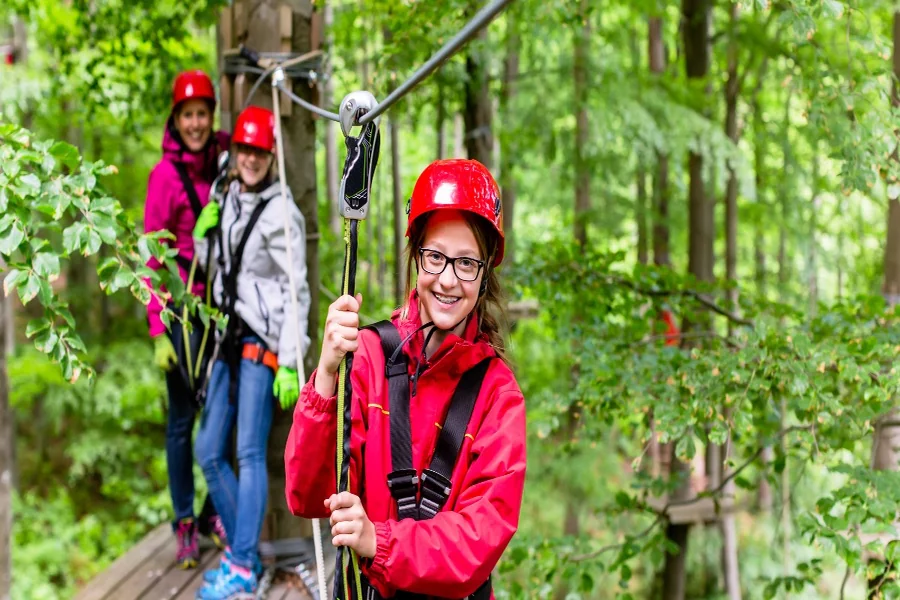
Adventure parks, resorts, educational campuses, and recreation centers are increasingly investing in aerial attractions to enhance visitor engagement. However, building a safe and durable ropes course requires more than simply installing cables and platforms. It involves careful planning, structural engineering, material selection, and professional installation.
Professional high ropes course construction ensures that every element — from anchor systems to safety lines — meets rigorous performance and safety standards. In this guide, we break down the complete process, from concept to final installation.
1. Concept Development and Site Assessment
Every high ropes course project begins with understanding the purpose and environment.
Key considerations include:
- Target audience (youth, corporate teams, adventure seekers)
- Available land or structure
- Terrain and elevation
- Local climate conditions
- Load capacity requirements
A thorough site assessment determines where anchor points can be placed and how structural loads will be distributed.
Why It Matters: Proper planning prevents structural risks and costly design revisions later.
2. Structural Engineering and Load Calculations
High ropes courses must safely support dynamic loads created by participants moving across elements. Engineers evaluate:
- Static and dynamic load forces
- Wind resistance
- Structural integrity of support poles or trees
- Cable tension requirements
- Redundancy in safety systems
Advanced calculations ensure that platforms, cables, and belay systems can handle both individual and group usage.
Safety Priority: Engineering accuracy is critical for long-term operational reliability.
3. Material Selection and System Design
Durability is essential in outdoor adventure installations. Materials are selected based on:
- Tensile strength
- Weather resistance
- Corrosion resistance
- Longevity under heavy use
Common materials include:
- Galvanized or stainless steel cables
- Pressure-treated wood or steel poles
- Industrial-grade hardware
- Certified safety harness systems
A professional high ropes course construction provider ensures materials meet industry safety standards and environmental demands.
4. Safety Compliance and Industry Standards
High ropes courses must comply with recognized safety standards and inspection requirements.
This includes:
- Proper fall protection systems
- Redundant safety lines
- Certified connection hardware
- Participant weight capacity ratings
- Routine inspection protocols
Adhering to safety guidelines protects both operators and participants.
Operational Benefit: Compliance reduces liability and ensures long-term business viability.
5. Installation and Anchoring Systems
Installation involves precise positioning of:
- Support structures
- Platforms
- Rope elements
- Safety cables
- Anchor systems
Anchor points must be securely fastened and tested to withstand sustained tension and dynamic forces. Proper cable tensioning ensures stability while allowing controlled movement.
Professional installers conduct safety checks throughout the process to confirm structural integrity.
6. Testing and Commissioning
Before opening to participants, the completed course undergoes:
- Load testing
- Structural inspection
- Hardware verification
- Safety line validation
These tests confirm that the system performs under simulated real-world conditions.
Critical Step: Commissioning ensures the course is ready for safe operation.
7. Maintenance Planning and Ongoing Inspection
Even the best-built ropes courses require routine maintenance.
A structured plan should include:
- Periodic cable tension checks
- Hardware inspection
- Platform integrity review
- Replacement of worn components
Long-term success depends on consistent inspection and upkeep.
Why Professional High Ropes Course Construction Matters
Building an aerial adventure system is a significant investment. Choosing experienced professionals for high ropes course construction ensures:
- Structural integrity
- Code compliance
- Safety reliability
- Long-term durability
- Reduced operational risk
Cutting corners in design or installation can lead to costly repairs, downtime, or safety concerns.
Final Takeaway
High ropes courses are dynamic, high-impact attractions — but their success depends on engineering precision and safety-first construction.
From concept planning and structural calculations to installation and long-term maintenance, professional high ropes course construction delivers the technical expertise required to build safe, reliable, and engaging aerial experiences.
For project planners and facility developers, investing in properly engineered construction ensures that your ropes course performs safely and successfully for years to come.