
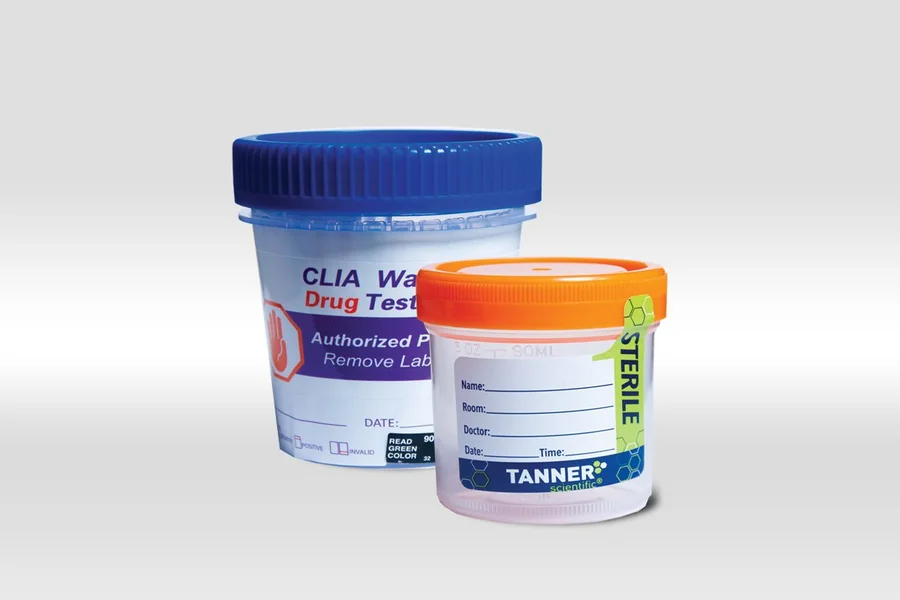
Choosing reliable drug test cups is a practical necessity for clinics, HR departments, and occupational health providers that make decisions based on urine screening. Using trusted solutions like 12 Panel Now helps ensure results are accurate, compliant, and defensible, reducing the risk that a single flawed test could cost time, reputation, or livelihoods. This guide explains what makes a drug test cup dependable, how to evaluate performance and regulatory compliance, and smart purchasing practices that balance cost with clinical rigor. It’s written for professionals who need clear, actionable criteria for selecting and managing effective drug test cup programs.
Why Reliability Matters For Clinics And Employment Screening
Reliability in drug testing is about more than repeatable positive or negative results: it is a chain that stretches from collection to confirmation. For clinics and employers, reliable drug test cups reduce false positives and negatives, prevent disputes, and support defensible decisions. In employment contexts, unreliable screening can lead to wrongful terminations or missed safety risks. In clinical settings, it can skew diagnoses or treatment plans.
Reliability also affects operational efficiency. A well-designed cup speeds up collection, reduces handling errors, and lowers the need for retests. That matters to busy clinics and HR teams who must balance patient privacy, throughput, and cost. Eventually, a reliable test cup protects the institution’s legal exposure and preserves trust between staff, patients, and employees.
Types Of Drug Test Cups And Key Features To Look For
There are several common formats of drug test cups: each suits different use cases.
- Single-panel cups: Screen for one substance, useful for spot checks or specific clinical questions. They’re low-cost and simple, but limited in scope.
- Multi-panel cups: The workhorse for employment and clinical screening, typically testing 5–12 analytes (amphetamines, THC, opiates, cocaine, PCP, etc.). Multi-panel cups balance breadth and cost for routine programs.
- Confirmatory collection-compatible cups: Designed to collect an aliquot for laboratory confirmation without requiring a separate urine draw, this improves chain-of-custody continuity.
- Digital-read cups: Provide electronic records or barcode integration for streamlined reporting and documentation: useful in high-volume or compliance-driven environments.
Key features to prioritize:
- Clear built-in controls and readable result windows.
- Tamper-evident seals or design that prevents sample substitution.
- Compatibility with confirmatory testing workflows (preserved aliquots or easy transfer).
- Temperature strip and adulteration indicators to detect specimen tampering.
- FDA clearance, when required, or third-party validation data.
Selecting the right type depends on program goals: screening breadth, throughput, and whether onsite presumptive results will be followed by lab confirmation.
Evaluating Accuracy, Quality Control, And Adulteration Detection
Accuracy requires looking beyond marketing claims. Clinics and employers should evaluate test cups on several performance metrics.
- Sensitivity and specificity: Sensitivity measures the ability to detect a drug when present: specificity measures the ability to avoid false positives. Choose cups with published sensitivity and specificity data or peer-reviewed evaluations.
- Cutoff levels: Ensure cutoff concentrations align with program policy or regulatory expectations (for DOT programs, federal cutoffs apply). Incorrect cutoff levels can produce results that aren’t defensible in disputes.
- Internal controls: Every cup should display a control line or electronic indicator confirming the assay functioned properly. Absence of a control invalidates results.
- Adulteration and dilution checks: Built-in tests for common adulterants and creatinine or specific gravity checks help detect tampering. Temperature strips verify a freshly provided sample and are fast, low-cost checks.
- Lot testing and QC: Vendors should publish lot-level QC data and permit random lot testing on receipt. Clinics benefit from standard operating procedures that include running known positive/negative controls periodically.
A practical policy is to require presumptive positives to undergo laboratory confirmation. This two-step approach limits the operational impact of rare false results and aligns onsite screening with evidentiary standards.
Regulatory Compliance, Chain Of Custody, And Best Collection Practices
Regulatory expectations vary by industry and jurisdiction, but common themes are maintaining an auditable chain of custody and ensuring collections respect privacy and procedural integrity.
- Chain of custody: Use cups that support secure labeling and sealing. Standardized forms and unique specimen IDs reduce transcription errors. When possible, barcoded specimens and digital logs create immutable records.
- Documentation: Record collector identity, collection time, and any observed behaviors that might affect validity. Proper documentation helps if results are contested.
- Privacy and dignity: Provide a private collection area and clear instructions. Trained collectors reduce accidental contamination, inappropriate observation, or privacy violations that can invalidate results.
- Observed vs. unobserved collections: Many policies reserve observed collections for high-risk situations. If performed, observers must follow strict protocols to avoid accusations of harassment.
Following established guidelines, such as SAMHSA procedures for federally regulated testing, keeps programs defensible and consistent.
Purchasing Considerations: Cost, Supplier Vetting, And Inventory Management
Buying drug test cups is a procurement decision that affects quality, compliance, and operational cost.
- Total cost of ownership: Look beyond per-cup price. Consider confirmation testing costs, wasted cups from invalid tests, shipping, storage, and disposal fees. Higher-quality cups often reduce retest rates and confirmatory expenses.
- Volume pricing and contracts: Clinics and employers with predictable volumes can negotiate tiered pricing, returns for defective lots, and service-level agreements for urgent shipments.
- Supplier credentials: Vet vendors for manufacturing standards (ISO certifications), FDA listings where applicable, and transparent QC data. Customer support responsiveness and replacement policies matter when a lot shows unexpected failure rates.
- Turnaround and logistics: Rapid fulfillment reduces stockouts. Inventory management should include lot tracking and expiry monitoring: expired cups must be removed from use to avoid unreliable results.
- Waste reduction: Choose packaging and cup designs that minimize plastic waste while preserving sample integrity. Some vendors offer take-back or disposal guidance to meet local biohazard rules.
A procurement checklist that captures these factors makes vendor comparisons objective and repeatable.
Conclusion
Reliable drug test cups are foundational to credible screening programs. They reduce the risk of error, support defensible decisions, and streamline workflows for clinics and employers. Selecting the right cup requires attention to assay performance, tamper detection, regulatory compatibility, and practical procurement details. When paired with strong collection protocols and confirmatory testing pathways, good test cups protect organizations and individuals alike.