
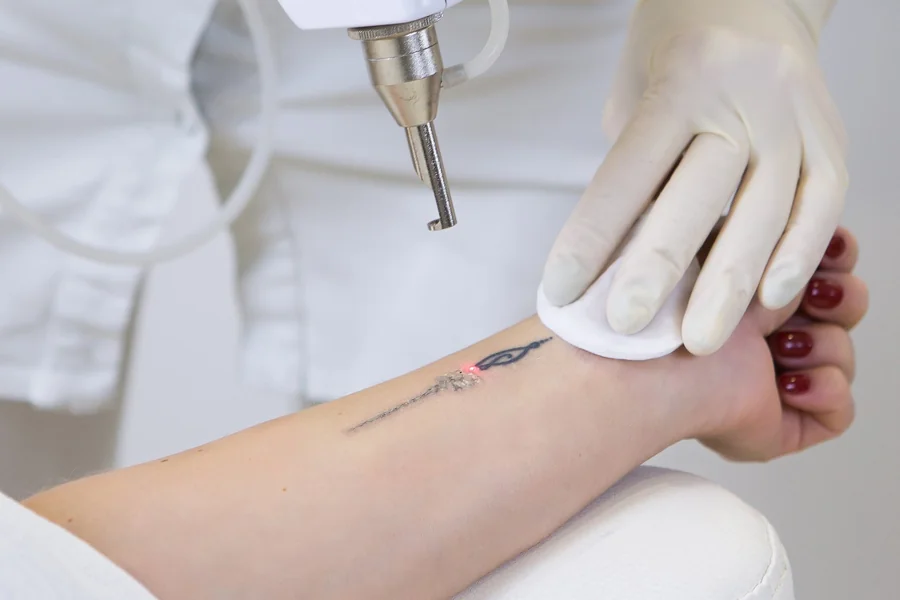
Getting a tattoo removed isn’t the same process as getting one applied. While tattoo artists inject ink into your skin, laser technology works by breaking down those ink particles from within. The science behind this process is fascinating and has evolved dramatically over the past few decades.
Modern laser systems emit concentrated light beams at specific wavelengths that target tattoo pigments beneath the skin’s surface. These pulses of light energy are absorbed by the ink particles, causing them to heat up rapidly and fragment into smaller pieces. Your body’s immune system then recognizes these tiny particles as foreign substances and gradually flushes them away through natural metabolic processes.
The real breakthrough in tattoo removal came with the development of Q-switched lasers and, more recently, picosecond lasers. These advanced technologies deliver energy in incredibly short bursts, creating a photoacoustic effect that shatters ink particles more effectively while minimizing damage to surrounding tissue.
Why Wavelength Selection Matters
Not all tattoos respond to the same laser wavelength, which is why professional tattoo removal requires sophisticated equipment. Different ink colors absorb different wavelengths of light, making wavelength selection crucial for effective treatment.
Black and dark blue inks are typically the easiest to remove because they absorb all laser wavelengths. Green and blue inks respond well to specific red light wavelengths, while red and orange inks require different wavelengths altogether. Yellow and light green inks have historically been the most challenging colors to eliminate, though newer laser technologies have improved success rates significantly.
Professional clinics invest in multiple laser systems or versatile platforms that can adjust wavelengths to target various ink colors. This multi-wavelength approach ensures that complex, colorful tattoos receive comprehensive treatment rather than partial fading.
The Safety Advantages of Modern Laser Systems
Today’s advanced laser technology prioritizes patient safety alongside effectiveness. Modern systems incorporate cooling mechanisms that protect the skin’s surface while the laser penetrates to the ink layer. This dramatically reduces discomfort and minimizes the risk of burns or scarring.
Picosecond lasers represent the latest advancement in safe tattoo removal. These devices deliver energy in trillionths of a second, creating less heat buildup in surrounding tissues compared to older nanosecond technology. The result is fewer side effects, reduced treatment times, and better outcomes for patients with darker skin tones who previously faced higher risks of pigmentation changes.
Advanced laser systems also feature sophisticated monitoring and delivery systems that ensure consistent energy distribution across the treatment area. This precision prevents over-treatment of certain spots while under-treating others, promoting even fading and reducing complications.
What to Expect During the Treatment Process
Laser tattoo removal isn’t an instant solution, and understanding the timeline helps set realistic expectations. Most tattoos require multiple sessions spaced several weeks apart to allow your immune system time to clear away fragmented ink particles and your skin to heal between treatments.
The number of sessions needed depends on several factors including tattoo size, ink colors, ink density, and how deeply the ink was placed. Amateur tattoos often fade more quickly than professional ones because the ink tends to be less dense and more superficial. Indianapolis laser tattoo removal experts typically evaluate these factors during initial consultations to provide personalized treatment plans.
Each session usually lasts between 15 minutes to an hour, depending on the tattoo’s size. Most patients describe the sensation as similar to having a rubber band snapped against the skin repeatedly. Topical numbing agents can make the process more comfortable for those with lower pain tolerance.
Aftercare and Healing Considerations
Proper aftercare is essential for optimal results and preventing complications. Immediately after treatment, the area may appear frosted or whitened, which is a normal reaction that typically fades within minutes. Some swelling, redness, and tenderness are expected and usually resolve within a few days.
Keeping the treated area clean and protected from sun exposure is critical during the healing process. Your body needs time to process and eliminate the fragmented ink particles, and supporting your immune system through adequate hydration and rest can enhance results.
Following your provider’s specific aftercare instructions helps minimize risks of infection, scarring, or unwanted pigmentation changes. Most people can return to normal activities immediately after treatment, though strenuous exercise affecting the treated area should be avoided for a day or two.
Choosing the Right Technology and Provider
Not all laser tattoo removal services offer the same level of technology or expertise. The quality of equipment, the operator’s training, and the clinic’s protocols all significantly impact your results and safety.
Look for providers who use FDA-cleared laser systems and who can demonstrate extensive experience with various tattoo types and skin tones. Consultations should include thorough assessments of your specific tattoo and realistic discussions about expected outcomes, number of sessions, and potential risks.
Advanced laser technology has transformed tattoo removal from a risky, often ineffective procedure into a safe and reliable option for those seeking a fresh start. With the right equipment and qualified professionals, unwanted ink can fade away while preserving your skin’s health and appearance.