
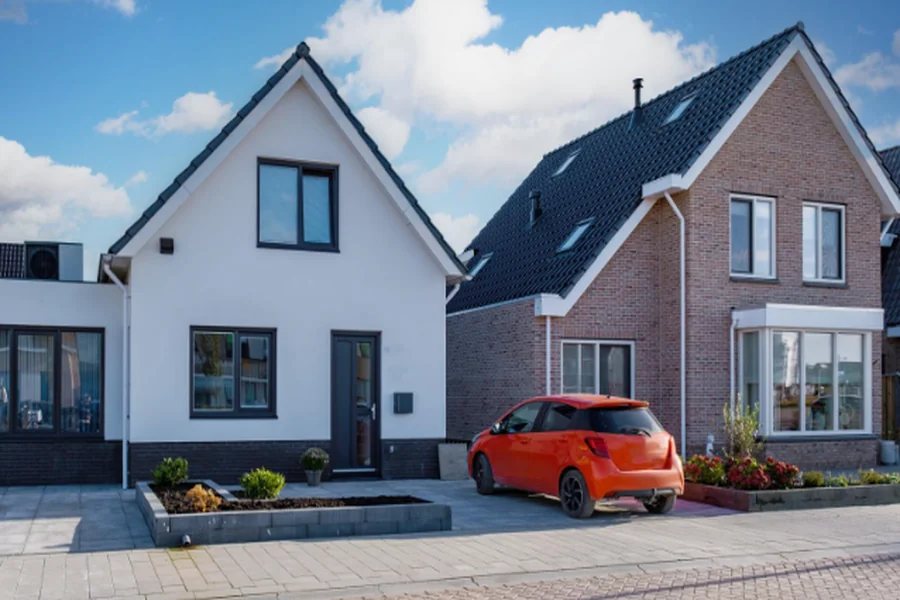
When buyers or guests pull up to a house, the exterior sets expectations before they ever step inside. A tired, cracked facade signals future problems, while a clean, well-finished exterior feels “move-in ready” and well cared for. Stucco is one of the few materials that can both modernize the look and harden the envelope of a home, making it a smart upgrade for properties in demanding climates like New Jersey and Pennsylvania.
Why stucco is such a strong choice for curb appeal
Stucco works so well on exteriors because it combines design flexibility with serious performance. Properly specified and installed, it can deliver:
- A clean, uniform look that hides minor irregularities in the wall surface and instantly updates older homes.
- Almost unlimited options for texture and color, from smooth modern finishes to subtle sand or more traditional patterns.
- Robust resistance to wind, fire, and everyday wear, so the facade continues to look sharp even after years of exposure.
In regions like NJ and PA, where homes see everything from heavy rain to freeze–thaw cycles, well-built stucco systems help protect the structure beneath. The dense, cement-based composition and multi-layer build can act as part of the building envelope, shedding water and resisting many common exterior problems when details like flashing, sealants, and drainage are handled correctly. That means less visible damage, fewer emergency repairs, and a more consistently attractive exterior over time.
How professional stucco work affects value, first impressions, and costs
From a buyer’s perspective, a fresh, crack-free stucco exterior sends a powerful message: this home has been maintained. Real estate agents consistently point out that exterior condition heavily influences perceived value, often before anyone looks at a floor plan. A house with clean stucco and coordinated colors tends to:
- Photograph better in listings, which boosts click-through rates online.
- Feel more “solid” during in-person showings, creating confidence in the overall condition.
- Stand out against neighboring homes with faded, patchy, or mismatched siding.
Beyond aesthetics, professional stucco upgrades can help control long-term costs. When cracks, gaps, and failed sealants are addressed correctly, they reduce the routes for moisture and air infiltration. That has two big benefits:
- Lower risk of hidden damage: Less water reaching sheathing, framing, and interior finishes, which cuts the odds of expensive rot or mold remediation later.
- More stable interior comfort: Fewer drafts and thermal weak points can ease the load on heating and cooling systems, especially when stucco is paired with proper insulation or modern systems like EIFS.
Over the life of the home, the combination of better protection and slower visual aging often means fewer full-scale exterior overhauls. Instead of repainting or replacing siding every few years, owners can focus on periodic inspections, small touch-ups, and strategic upgrades when design trends or resale plans call for a change.
Paint, patch, or full upgrade? Practical scenarios
Not every stucco issue calls for a full remediation. A smart approach is to match the intervention to the underlying problem. Three common scenarios help illustrate where simple work ends and deeper upgrades begin.
- When simple repairs and paint are enough
If the stucco is structurally sound—no bulging areas, soft spots, or widespread cracking—but the color looks tired or there are a few minor hairline cracks, a targeted repair and coating project can do a lot of heavy lifting. In that situation, a professional crew will typically:
- Clean and inspect the surface.
- Address small cracks and chips with compatible repair materials.
- Re-coat or paint the facade with high-quality exterior products suited to stucco.
The result is a refreshed, uniform exterior that looks significantly newer without the cost and disruption of a full system rebuild. This path is ideal when the goal is a cosmetic upgrade for curb appeal before listing a home or when the existing system has been well maintained over the years.
- When partial remediation makes sense
If there are localized areas with moisture damage—around window heads, deck connections, or roof-to-wall transitions, for example—but the rest of the facade is performing well, a partial remediation can be cost-effective. In these cases, professionals will:
- Investigate and test suspicious areas instead of guessing.
- Open, repair, and rebuild only the affected sections of the stucco.
- Improve the critical details (flashing, sealants, drainage) in those trouble spots.
- Blend the finish and color so the repaired areas match the original design.
This approach can be a smart middle ground when inspections reveal issues that are serious but confined. It preserves what still works while eliminating weak points that could otherwise spread or cause interior damage.
- When a full modernization or reno is the better choice
A full upgrade becomes the sensible option when:
- Cracks are widespread and accompanied by staining, bulging, or soft sections.
- Multiple areas have documented moisture intrusion.
- The existing finish and detailing are outdated enough that repair would still leave the home looking “patched together.”
In a full modernization, crews remove failing layers, address any underlying structural or moisture issues, and install a new stucco system designed for current building standards and the local climate. This is also the moment to rethink:
- Texture (for example, moving from heavy, dated patterns to smoother, more contemporary finishes).
- Color palette (shifting to timeless neutrals with strategic accents for sharper curb appeal).
- Transitions to other materials like stone, brick, or siding to emphasize certain architectural lines.
While a comprehensive project is a bigger investment, it can transform a home’s exterior from “problem waiting to happen” to “showpiece,” often improving both everyday enjoyment and future resale prospects.
Where JarArt fits in: local stucco, stone, and exterior painting expertise
For homeowners in New Jersey and Pennsylvania, having a contractor who understands both stucco technology and local conditions is crucial. JarArt focuses specifically on:
- Stucco installation and remediation for a range of systems, including traditional cement-based stucco and more modern solutions.
- Detailed repair work that not only hides cracks and blemishes but also addresses the causes behind them.
- Exterior painting and coating tailored to stucco surfaces, with attention to color selection, compatibility, and long-term performance.
- Integrating stucco with stone or other exterior materials to create cohesive, high-impact facades.
Because the team works day-to-day in the NJ and PA climate band, they’re accustomed to dealing with freeze–thaw stress, wind-driven rain, and the expectations of local buyers and HOAs. That regional experience helps them recommend whether a specific property is a candidate for strategic patch-and-paint work, a focused remediation, or a full exterior reboot.
For owners weighing their options, the smartest first step is often a structured exterior assessment: a walkthrough that documents existing conditions, explains risk levels, and outlines a few upgrade paths—from minimal interventions to transformative projects. Done well, that process turns “stucco” from a vague worry into a clear plan for lasting curb appeal.