
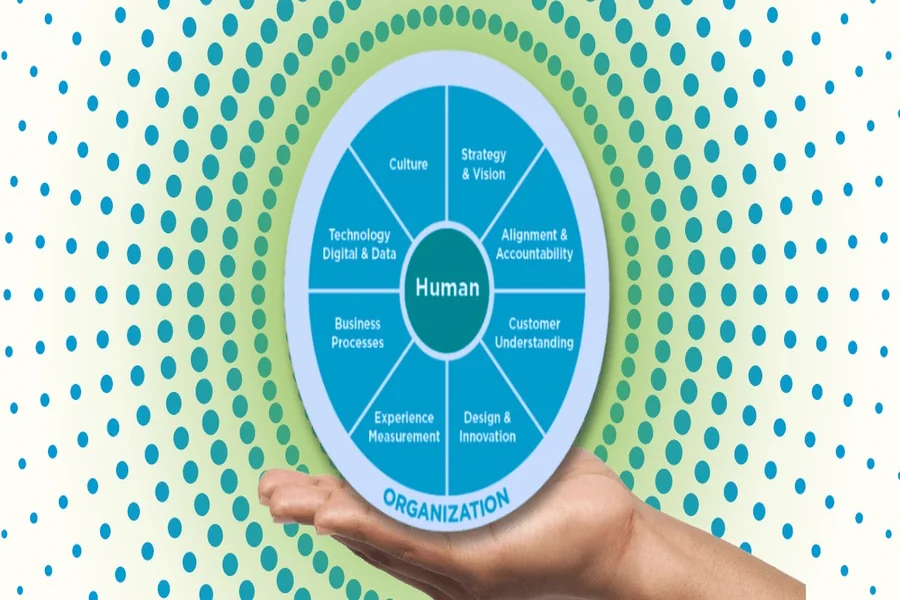
What is Customer Experience Management (CXM)?
Customer experience is more than just helping folks online. It’s more than knowing where they shop or what dog food they buy. It’s really about knowing them deeply, so you can create personal experiences that keep them happy and turn them into loyal fans who spread the word. And honestly—that’s the best advertising any brand can get.
Getting to know your customers this well doesn’t happen overnight. It comes from gathering insights from every point of contact across the company. With the help of powerful customer experience management software, businesses can wrangle tons of customer data from digital and offline sources and turn it into meaningful, actionable insights.
Why is CXM important?
Customer experience shapes how people feel and think about your brand. A great experience builds strong emotional connections, sets you apart from competitors, and encourages long-term loyalty. But a bad experience? It can push customers away, damage your reputation, and cause major revenue losses.
Here’s why CXM really matters:
- Retention is cheaper than acquisition. It’s way more affordable to keep your current customers happy than to get new ones.
- Happy customers promote your brand. A good experience leads to positive word-of-mouth.
- Feedback fuels growth. CXM insights help improve your website, app, chatbots, social media, APIs—even your support team.
- Customer-first companies win big. With better experiences, businesses enjoy higher lifetime value, stronger branding, and more market share.
6 Benefits of customer experience management
A good customer experience plan helps companies make better relationships, stand different than everyone else, and become stronger. Here’s what it does:
1. Better Understanding of Customers
Customer experience management lets you see everything about your customers—what they do, what they like and don’t like, and how they want to talk to you—so you can talk to them in a more personal way.
2. Personalized Customer Experiences
Smart recommendations, loyalty rewards, and intelligent search features make conversations more helpful and relevant. Technologies like AI in customer service enhance this personalization at scale.
3. Consistency Across All Touchpoints
If it’s your website, app, store, or social media, customer experience management makes sure customers get a simple, similar experience no matter where they are.
4. Real, Actionable Feedback
Surveys, user experience testing, and watching social media show what customers think is great or terrible—and where you should make changes.
5. Data-Driven Insights
Customer experience management analytics shows you trends in customer behaviors, which helps you make wiser choices and make things better faster.
6. More Brand Advocates
Customers who love you don’t just come back—they tell others. Fans can bring in new customers and make your brand look better.
5 Steps to build a superior CXM system
There’s no magic formula for perfect customer experience, but these five steps will definitely get you closer.
Step 1: Create a Clear Customer Vision
A strong CX strategy always starts with a clear vision. This should be easy to explain across your entire company and backed by guiding principles.
Take 3M, for example. With more than 90,000 employees, they stick to core values like:
- Acting with integrity
- Delivering innovation and quality
- Creating sustainable growth
When teams share the same values, they know exactly how to act in the customer’s best interest.
Step 2: Understand Who Your Customers Are
To meet customer expectations, you have to know who you’re talking to. This is where customer personas come in.
Example:
John, 35, tech-savvy, active on social media, prefers digital self-service, rarely needs troubleshooting.
Personas help make customers feel real and guide more personalized experience design.
Step 3: Build Emotional Connection With Customers
There’s a saying: “It’s not what you say, it’s how you say it.”
That’s extremely true in customer experience.
According to The Journal of Consumer Research:
- Over 50% of CX is influenced by emotion
- Emotionally connected customers drive 85% more sales growth
Brands that show empathy, offer support, personalize interactions, and express appreciation build long-lasting loyalty.
Step 4: Capture Feedback in Real-Time
The easiest way to know how customers feel? Ask them right away.
Platforms like Qualaroo let you:
- Run targeted surveys
- Collect feedback during browsing
- Analyze results instantly
Real-time feedback helps you identify issues quickly and solve them before they turn into bigger problems.
Step 5: Act on Feedback & Deliver on Experience
Collecting feedback is only step one—customers want to see real action.
Consistent feedback loops help you:
- Build trust
- Fix problems faster
- Stay in touch with what customers expect
When customers notice changes based on their suggestions, they feel heard and valued.
Key customer experience metrics to track
No matter where you are in your CX journey, these metrics give a strong foundation for understanding experience quality:
Net Promoter Score (NPS®)
NPS tells you how loyal your customers are and if they’d tell others about you. It asks one question: “How likely are you to recommend us?” on a scale of 0 to 10. Your score is the percentage of folks who wouldn’t recommend you subtracted from the percentage that would. It’s a simple, fast way to see how loyal people are in general.
Customer Satisfaction Score (CSAT)
CSAT tells you how happy customers are with what you offer. People rate their happiness from 1 (not happy) to 5 (very happy). The percentage of people who pick the top two scores (4 and 5) is your CSAT score. It’s easy to get and shows you if you’re meeting customer needs.
Customer Effort Score (CES)
CES asks how easy it is for customers to deal with you. Customers answer: “How easy was it to deal with us?” with answers like Easy, Okay, or Hard. The score is the percentage of Easy answers minus the Hard ones. It’s a simple way to find quick ways to get better.
Customer Sentiment
Customer sentiment shows how customers feel about your brand—good, bad, or okay. You can find it from surveys, reviews, social media, or call recordings. Tools can help you see patterns and find problems or good things.
Customer Emotional Intensity
Emotional intensity measures how strongly someone feels, from 1–5, grouped as Low, Medium, or High. It helps spot people who might become loyal customer problems, and how they react to changes. Also, it shows where you should communicate better or make things simpler.
Final thoughts
Customer Experience Management isn’t optional anymore—it’s a major competitive advantage. Companies that invest in CXM enjoy stronger loyalty, better reputation, higher revenue, and long-term success.
By understanding your customers, creating emotional connections, collecting feedback, and acting quickly, you build experiences that customers not only remember… but keep talking about.