Static visuals have trouble keeping the attention of people in the world of endless movement. As you scroll, swipe, and skim, the images that are flat oftentimes become blurry as you pass by them, not leaving an impression.
This leaves a clear challenge – how do you make visual content memorable without the use of screens and digital effects?
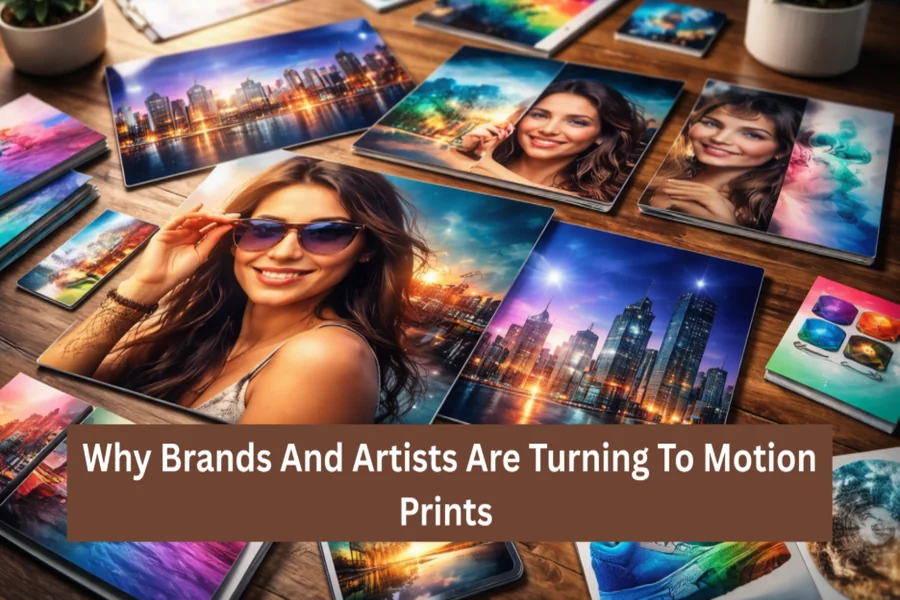
Motion prints provide a compelling answer. By adding small movement to the experience through physical interaction, they alter the way the viewers interact with printed visuals.
Instead of demanding attention, they invite attention. Each change in angle brings a new moment, inspiring curiosity and extended engagement.
This article reviews the reasons why both brands and artists are turning to motion prints and how it is changing the expression of creativity and marketing output.
1. Solve Attention Problem
Traditional print faces a familiar problem – it competes with fast-moving digital content. While screens are taking over daily life, printed visuals must work harder if they are to stay relevant. This is where the motion prints make a noticeable advantage.
In the initial moments of interaction, motion-based prints break the expectation. As the image changes with movement, the viewer naturally stops. That pause is valuable. It creates room for connection, curiosity, and emotional response.
Platforms like pikmoto.com, which specialize in turning still images into motion prints, demonstrate how ordinary visuals can transform into interactive experiences. Instead of the single frame, motion prints enable a story to be narrated through physical engagement.
As a result, brands receive something more than visibility – they receive attention for longer than a glance.
2. Physical Interaction Deepens Emotional Connection
Unlike digitally-animated versions, motion prints are based on human movement. The image responds only when the viewer changes perspective. This physical involvement makes the experience seem personal, as opposed to passive.
For artists, this interaction resembles the manner in which audiences interact with gallery installations. The artwork does not show everything at once. Instead, it rewards curiosity and exploration.
From the perspective of branding, this interaction creates emotional depth. When someone tilts a print to see what happens next, they become a part of the experience. That participation affects retention of memory and emotional attachment.
Consequently, motion prints make viewing an active moment, instead of being a fleeting one.
3. Add Narrative Without Complexity

Storytelling can often feel limited for print, as the space is limited. Motion prints expand that space without adding clutter or text.
By combining two or more visual moments into one surface, they are able to create transitions that occur naturally. A still expression may change into action. A present-day image can disclose a past memory. A product can progress from concept to reality.
This approach keeps storytelling clean and intuitive. Instead of overwhelming the viewer, motion prints take them through a procession using movement alone. Therefore, brands and artists are able to convey complex concepts in a simple visual way.
4. Elevate Perceived Value and Craftsmanship
Perception matters. When viewers come across motion prints, they instantly see the precision that is involved. The alignment, transitions, and visual clarity communicate thoughtful executions.
This perception directly affects how the work is perceived. Whether displayed as art or used for promotional material, motion prints have a premium feel to them because they are different from typical print methods.
Moreover, the tactile nature of these prints invites closer inspection. Viewers spend more time engaging, which reinforces the appreciation for craftsmanship behind the piece.
As a result, motion prints help creators position their work as intentional, refined, and innovative.
5. Bridge Digital and Physical Creativity
Many creators struggle to transform digital concepts into physical formats without losing impact. Motion prints help bridge that gap effectively.
They can capture the dynamic energy associated with digital media and yet remain totally physical. No screens, power, or software are needed for the effect to work.
For brands, this means they will be able to deliver movement-based storytelling in the offline space. For artists, this makes it possible to experiment with digital style without the loss of touch presentation.
This balance makes motion prints ideal for exhibitions, displays, and experiential spaces where physical presence is essential.
6. Encourage Longevity Over Disposable Visuals
In a time where content is easily and quickly consumed and forgotten, the motion print is unique in that it encourages repeated interaction. Each viewing is a little different, depending on angle and light.
This repeat engagement makes motion prints relevant for a long time. Instead of serving one moment, they are interesting throughout time.
Additionally, their durability as a physical thing means that they do not get lost in the face of algorithm changes or the update of a platform. Once created, they live on and interact without any dependence on external elements.
Because of this, brands and artists consider motion prints as long-term assets and not temporary visuals.
Conclusion
Motion prints change how printed visuals communicate by introducing interaction, movement, and layered storytelling. Instead of relying on static presentation, they invite viewers to engage physically, which increases attention, curiosity, and emotional response. This shift allows print to feel dynamic again without losing its tangible quality.
As brands look for deeper engagement and artists seek new creative formats, motion prints provide a balance between innovation and longevity. They deliver memorable experiences that extend beyond a single viewing, making them a powerful choice for anyone aiming to create work that resonates and lasts.