
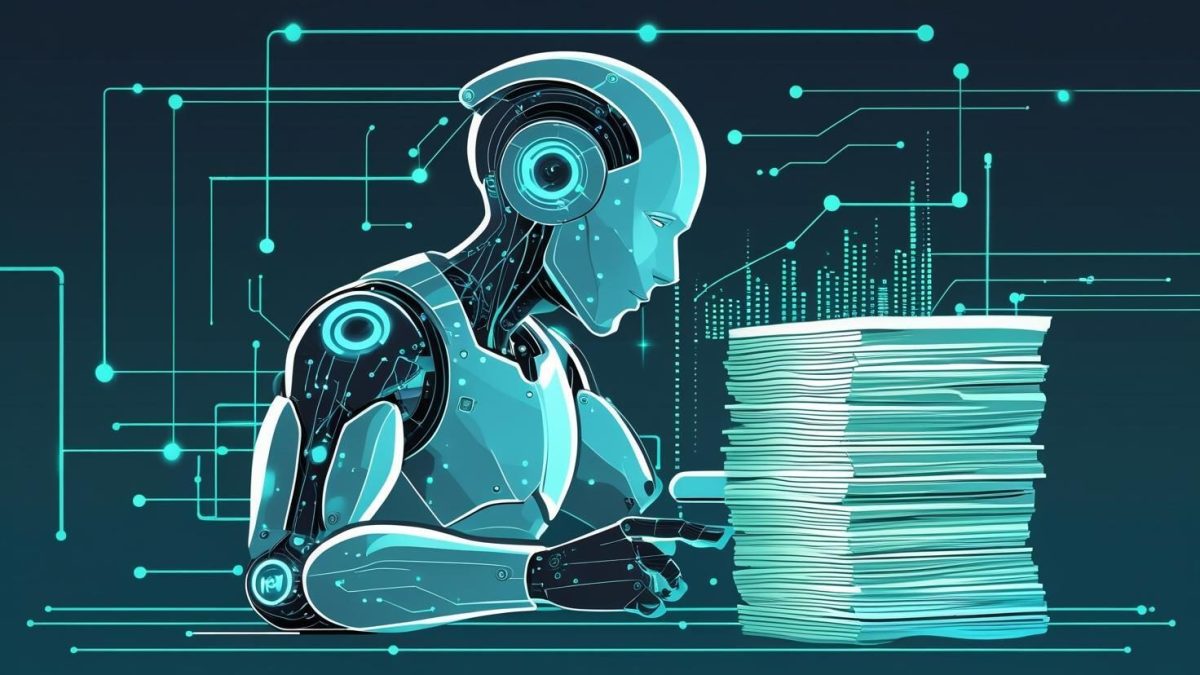
An employer adopts an AI-powered resume screener to rank candidates and reduce the time recruiters spend reviewing applications. The software becomes part of the hiring process, influencing which applicants move forward and which never receive an interview.
When a rejected applicant alleges discrimination, questions arise about how those decisions were made, whether the tool introduced bias, and who bears responsibility. Those questions can extend to employment practices liability insurance (EPLI), particularly when the policy predates the company’s use of automated hiring.
Reviewing your business insurance program before renewal can help identify potential coverage issues while there’s time to address them.
Decide Whether Your Policy Covers Algorithmic Hiring
EPLI generally addresses certain employment-related claims, including discrimination and wrongful termination. A claim involving an AI hiring tool may fall within that coverage, depending on the allegations and policy wording.
Review three areas before renewal:
- AI-related exclusions. Look for language addressing artificial intelligence, algorithms, or automated employment decisions. Read the full endorsement to understand which claims it excludes.
- Sublimits and restrictions. Check whether special limits, deductibles, or conditions apply to technology-related employment claims.
- Existing coverage language. A policy that doesn’t mention AI may still cover an otherwise eligible discrimination claim. Ask the insurer or broker how the policy applies to automated hiring.
An AI exclusion doesn’t necessarily eliminate every claim involving technology, just as the absence of one doesn’t guarantee coverage. Definitions, exceptions, and the underlying allegations affect the outcome.
Figure Out Who’s Responsible When the Vendor’s Model Fails
Purchasing screening software from a third party doesn’t automatically transfer discrimination liability to the vendor.
The litigation in Mobley v. Workday illustrates the potential exposure. In May 2025, a federal court granted preliminary certification of a nationwide collective action alleging that Workday’s applicant-screening technology discriminated against older job seekers. The decision allowed eligible individuals to pursue claims together but didn’t establish that the software violated discrimination law.
Although the case concerns a technology provider, employers using automated screening tools may face their own legal exposure. The Equal Employment Opportunity Commission’s guidance explains that employers may be responsible when vendor-developed selection procedures produce unlawful discriminatory outcomes.
Review the vendor contract alongside the EPLI policy. Examine indemnification, defense obligations, liability limits, testing information, and the vendor’s responsibility for assisting with claims. Vendor indemnity and insurance may provide additional protection, but neither guarantees that the employer will avoid liability.
Understand What Candidates Must Be Told
Applicant-notice requirements depend on the jurisdiction and technology involved.
New York City’s automated employment decision tool law, for example, requires qualifying tools to undergo independent bias audits and imposes specific notice obligations. Other jurisdictions have different requirements, and some have no comparable AI-specific rules.
Employers should determine which laws apply based on their hiring activities and the tools they use. Where notice or consent is required, provide it at the appropriate stage and retain documentation. Ask vendors what information they can supply about the tool’s operation and testing.
A general statement in a job posting isn’t necessarily sufficient for every jurisdiction, and not every automated screening tool requires an independent audit.
Treat the Renewal Questionnaire Seriously
An EPLI application may ask about hiring practices, automated decision-making, discrimination claims, or employment risk controls. Some insurers also request information about AI tools.
Answers should reflect how the business operates. An applicant tracking system might automatically rank candidates even if HR doesn’t consider it artificial intelligence.
Before completing the application, have HR and IT identify the tools used for screening, assessments, interviews, and candidate ranking. Confirm which functions are enabled and whether human reviewers can override recommendations.
Answer accurately, request clarification when terminology is unclear, and provide relevant documentation when appropriate. A complete submission can reduce disputes about what the insurer was told, although it doesn’t guarantee coverage.
Close the Loop Before Renewal
Employers shouldn’t wait for a discrimination complaint to examine how hiring technology interacts with insurance coverage. Review the current EPLI policy, inventory automated hiring tools, and gather vendor agreements. Compare those documents with applicable legal requirements and renewal application questions.
If a proposed policy contains AI-related restrictions, ask the broker whether alternative terms or carriers are available. Negotiated changes may be possible, depending on the insurer and account. Allow time to review quotes and endorsements before coverage binds. Waiting until the final weeks can limit available options.
An AI resume screener doesn’t automatically create an uninsured employment claim. It does give employers another reason to understand their hiring processes, document decisions, and confirm that their insurance reflects the risks they face.