
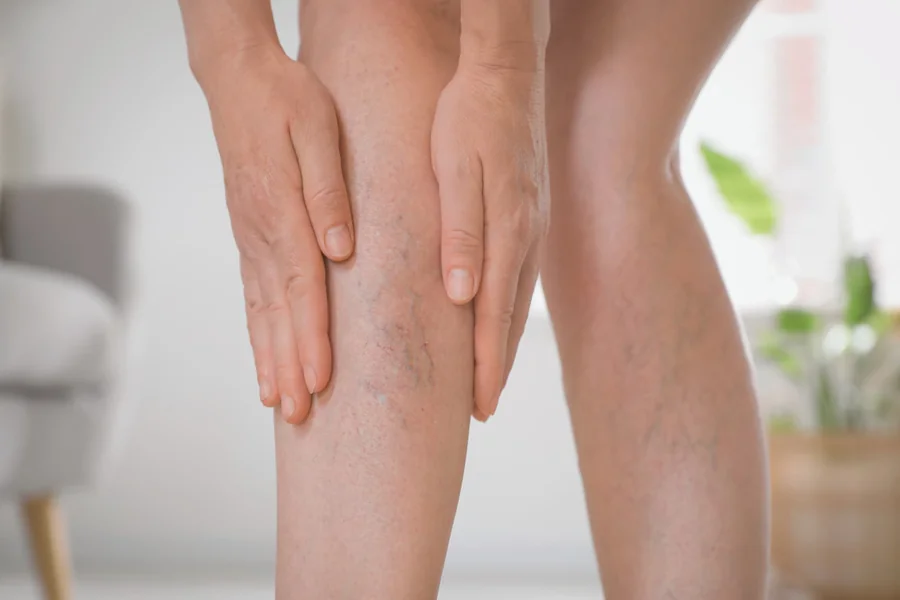
Varicose veins are more than a cosmetic nuisance—many people live with aching, throbbing legs that interfere with daily work, exercise, and overall quality of life. Understanding when discomfort signals a deeper issue can help prevent long-term complications and prolonged pain.
This article explains what varicose veins are, when to seek medical evaluation, and practical at-home strategies that can provide immediate relief. It also outlines modern minimally invasive procedures that offer durable comfort, discusses pain management during and after treatment, and shares realistic steps to reduce recurrence. For those considering specialized care, providers such as Metro Vein Centers in Round Rock offer expert evaluation and treatment options. The goal is to present clear, evidence-based guidance so readers can confidently decide when conservative care is sufficient and when consulting a specialist is the right next step.
What are Varicose Veins and Common Symptoms
Varicose veins develop when vein valves that normally direct blood toward the heart fail, allowing blood to pool and veins to dilate and twist. They most commonly appear on the legs and are visible as blue or dark purple bulging veins. Beyond the visible changes, varicose veins often cause symptoms that range from mild to disruptive.
Common symptoms include:
- Aching or heavy sensation in the legs, often worse after standing or long periods of sitting.
- Swelling (edema), particularly around the ankles.
- Itching, burning, or skin irritation near affected veins.
- Night cramps or restless legs.
- Skin changes such as hyperpigmentation, dryness, or, in advanced cases, venous ulcers.
Symptoms tend to worsen with time for many patients, especially without lifestyle adjustments or treatment. Risk factors that increase the likelihood of developing varicose veins include age, family history, pregnancy, obesity, prolonged standing, and previous leg trauma. Understanding symptoms early helps determine whether conservative measures suffice or medical intervention is necessary.
When to Seek Medical Evaluation
Not every visible varicose vein requires immediate treatment, but there are clear signs that warrant prompt medical evaluation by a vascular specialist or a vein clinic.
Seek medical attention if any of the following occur:
- Pain becomes persistent or limits daily activities.
- Skin over the vein becomes red, warm, or tender, possibly due to infection or inflammation.
- Recurrent bleeding from a surface vein.
- Non-healing sores or ulcers near the ankle.
- Sudden, severe leg swelling, or signs of deep vein thrombosis (DVT) such as intense pain, warmth, and discoloration.
A clinical exam typically includes a duplex ultrasound to map the venous system, evaluate valve function, and rule out DVT. This imaging guides treatment choices, conservative care versus procedural options, so early assessment can prevent progression and improve outcomes.
Conservative At-Home Treatments for Pain Relief
Many people achieve meaningful symptom relief with conservative measures that are low-risk and easy to integrate into daily life. These approaches are often the first step and remain important after procedural treatments to maintain comfort.
Compression Stockings: Types and Proper Use
Compression stockings apply graduated pressure to the lower limb, pushing blood upward and reducing venous pooling. They come in several compression levels measured in mmHg (e.g., 15–20, 20–30, 30–40). For mild symptoms, 15–20 mmHg may suffice: moderate symptoms often benefit from 20–30 mmHg. A clinician can recommend the right fit and compression level. Key points:
- Wear them during daytime activities, remove for sleep unless directed otherwise.
- Ensure proper sizing to avoid constriction at the calf or thigh.
- Use seamless, breathable materials for comfort.
Elevation, Exercise, and Weight Management
Elevation: Raising the legs above heart level for 15–20 minutes several times daily reduces swelling and improves venous return. It’s a quick, effective way to ease heaviness after long periods of standing.
Exercise: Low-impact activities, walking, cycling, and swimming strengthen calf muscles that act as a pump for venous blood. Short walks every hour during long workdays counteract pooling.
Weight management: Excess weight increases venous pressure. Even modest weight loss can lower symptoms and reduce progression risk.
Topical Remedies and Over-the-Counter Pain Relief
Topical agents containing ingredients like horse chestnut extract or topical NSAIDs can temporarily reduce discomfort and itching. Oral nonsteroidal anti-inflammatory drugs (NSAIDs) help with short-term pain but should be used judiciously and under advice if used frequently. These remedies are supportive; they address symptoms but don’t correct the underlying valve dysfunction.
Minimally Invasive Medical Treatments
When conservative care fails to relieve symptoms or veins are cosmetically bothersome, modern minimally invasive procedures provide effective, lower-morbidity alternatives to traditional surgery. Most can be performed in an outpatient setting with local anesthesia.
Sclerotherapy: What to Expect and Effectiveness
Sclerotherapy involves injecting a sclerosant solution into small- to medium-sized varicose veins, causing them to collapse and be reabsorbed. It’s highly effective for spider veins and smaller varicosities. Foam sclerotherapy is used for larger veins. Multiple sessions may be required, and results improve when combined with compression.
Typical outcomes: 60–90% improvement for treated veins, depending on size and technique. Risks are low but can include temporary hyperpigmentation, matting (fine new vessels), and rare thrombosis.
Endovenous Thermal Ablation (Laser and Radiofrequency)
Endovenous thermal ablation (EVTA) uses heat delivered by laser or radiofrequency to close the dysfunctional saphenous vein. It has become the standard for treating larger refluxing veins because it offers high success rates, short recovery, and minimal scarring.
Procedure notes:
- Done under local anesthesia with ultrasound guidance.
- Patients typically resume normal activities within a few days.
- Reported success rates exceed 90% at one year in many studies.
VenaSeal and Nonthermal Closure Techniques
VenaSeal uses a medical adhesive to close the affected vein without heat. Nonthermal techniques reduce the need for tumescent anesthesia and can lower procedure-related discomfort. These options are particularly useful for patients sensitive to thermal approaches or those seeking faster recovery.
Pain Management and Comfort During and After Treatment
Appropriate pain control and practical aftercare improve the patient experience and speed recovery. Most modern procedures are designed to minimize pain and downtime.
Immediate Postprocedure Care and Analgesia
After sclerotherapy or ablation, patients commonly experience mild soreness, tightness, or cramping. Recommended measures include:
- Over-the-counter analgesics (acetaminophen or NSAIDs) for short-term pain control.
- Wearing compression stockings as instructed, this reduces bleeding, swelling, and discomfort.
- Walking soon after the procedure to promote circulation and lower clot risk.
Physicians commonly advise avoiding heavy lifting or vigorous exercise for a few days, while routine walking is encouraged.
Managing Swelling, Bruising, and Activity Progression
Bruising and localized swelling are common but typically resolve within two weeks. Ice packs applied intermittently in the first 48 hours can lower swelling and ease discomfort. For persistent swelling, elevation and continued compression help. Activity can usually progress from gentle walking to higher-impact exercise over one to four weeks, guided by symptom tolerance and medical advice.
When to Contact Your Doctor, Warning Signs
Contact a provider promptly if any of the following occur:
- Sudden increased pain, redness, or warmth suggests infection.
- Persistent fever.
- Shortness of breath or chest pain (seek emergency care; rarely, treatment-associated clots can migrate).
- Excessive bleeding or worsening swelling, even though compressed.
Clear lines of communication with the treating clinic ensure complications are managed early and safely.
Preventing Recurrence and Long-Term Comfort
Long-term success blends procedural effectiveness with lifestyle adjustments and periodic follow-up. Complete prevention of new vein formation may not be possible, but recurrence risk and symptoms can be substantially reduced.
Lifestyle Habits that Reduce Symptom Return
- Maintain regular low-impact exercise to keep calf-muscle pumping efficiently.
- Use compression for prolonged standing or during long travel.
- Manage weight and avoid tight clothing that restricts venous return.
- Alternate positions and take brief walking breaks during sedentary work shifts.
These habits reduce venous pressure and slow progression.
Follow-Up Care, Monitoring, and Maintenance Therapies
Follow-up typically includes a clinical assessment and ultrasound within weeks to months after treatment to confirm vein closure and detect new reflux early. Some patients benefit from periodic sclerotherapy for residual spider veins or additional ablation if new reflux develops. Ongoing use of compression during high-risk activities and a long-term relationship with a vein specialist offer the best protection against symptom recurrence. Combining procedural care with sensible habits makes durable relief realistic for many patients.
Conclusion
Varicose veins range from a cosmetic concern to a source of chronic pain and disability. Most people find that a stepwise approach, starting with conservative measures like compression, elevation, and exercise, provides significant relief. For persistent symptoms or larger refluxing veins, minimally invasive treatments such as sclerotherapy, endovenous thermal ablation, and nonthermal closure techniques deliver high success with rapid recovery. Effective pain management, sensible aftercare, and lifestyle changes reduce discomfort and lower the chance of recurrence.
Those experiencing worsening pain, skin changes, or wounds around the ankle should pursue timely evaluation. With modern options, many can expect meaningful improvement in comfort and daily function, allowing them to return to work and activities with less disruption.