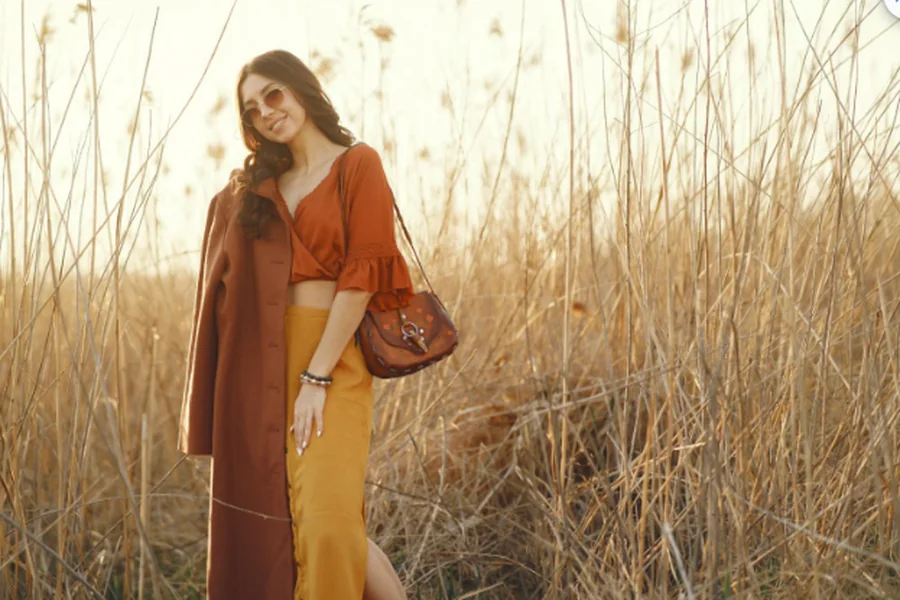
Fashion moves quickly. Trends rise and fall in a matter of months, sometimes weeks, and the constant churn can make wardrobes feel temporary. Yet alongside fast fashion’s rapid cycle, a quieter movement has been gaining ground: slow fashion. Rather than chasing what’s new, it focuses on what endures, quality materials, thoughtful design, and pieces meant to be worn for years.
At its heart, slow fashion isn’t about buying less for the sake of it. It’s about buying better. It encourages consumers to think about where garments come from, how they’re made, and how they fit into a long-term wardrobe. In this context, knitwear has found renewed appreciation, especially pieces that combine craftsmanship with versatility.
Why Slow Fashion Resonates Today
Many shoppers are becoming more mindful. They’ve experienced the disappointment of a sweater losing shape after a season or a coat pilling beyond repair. These frustrations often lead people to reconsider how they shop.
Slow fashion offers an alternative mindset. Instead of impulse purchases, it promotes intentional selection. A well-made garment might cost more upfront, but if it lasts five or ten years, it often proves more economical in the long run.
There’s also a growing environmental awareness. The fashion industry is frequently cited as one of the world’s largest polluters, and consumers are increasingly aware that their choices have an impact. According to the United Nations Environment Programme, the fashion sector plays a significant role in global water use and textile waste, which has prompted calls for more sustainable consumption.
While individual purchases won’t solve global challenges alone, they do reflect personal values.
Knitwear as a Symbol of Longevity
Few garments represent slow fashion better than knitwear. A well-crafted cardigan or sweater carries a sense of tradition. Knitting is one of the oldest textile techniques, and in many regions it remains tied to cultural heritage and artisanal skill.
Quality knitwear is often made from natural fibers like wool, which provide insulation, breathability, and durability. Unlike synthetic fast-fashion pieces, these materials tend to age gracefully when cared for properly.
There’s also an emotional element. Knitwear often feels personal, it’s associated with comfort, warmth, and familiarity. Many people hold onto a favorite cardigan for years because it becomes part of their daily life, not just a seasonal item.
The Power of Versatility
Another reason slow fashion advocates favor knitwear is its versatility. A single cardigan can work across multiple settings: layered over a shirt for work, paired with denim on weekends, or draped over shoulders on cool evenings.
Color choice also plays a role. Neutrals are reliable, but nature-inspired tones have a special staying power. Green, for example, connects easily with other colors and feels timeless rather than trendy. Earthy shades tend to cycle back into style because they mirror the natural world.
For those looking to invest in pieces that blend heritage with everyday wearability, browsing collections that feature green knit cardigans for sale can be a practical starting point. Garments like these often balance traditional craftsmanship with contemporary styling, making them suitable for a wide range of wardrobes.
Caring for Clothes as Part of the Philosophy
Slow fashion doesn’t end at the purchase. Care matters just as much. Washing knitwear gently, storing it folded rather than hung, and repairing small issues instead of discarding garments can dramatically extend lifespan.
These habits used to be common knowledge. Today, they’re being rediscovered as people seek more sustainable lifestyles. Taking care of clothing fosters a different relationship with possessions, one based on respect rather than disposability.
Style That Outlives Trends
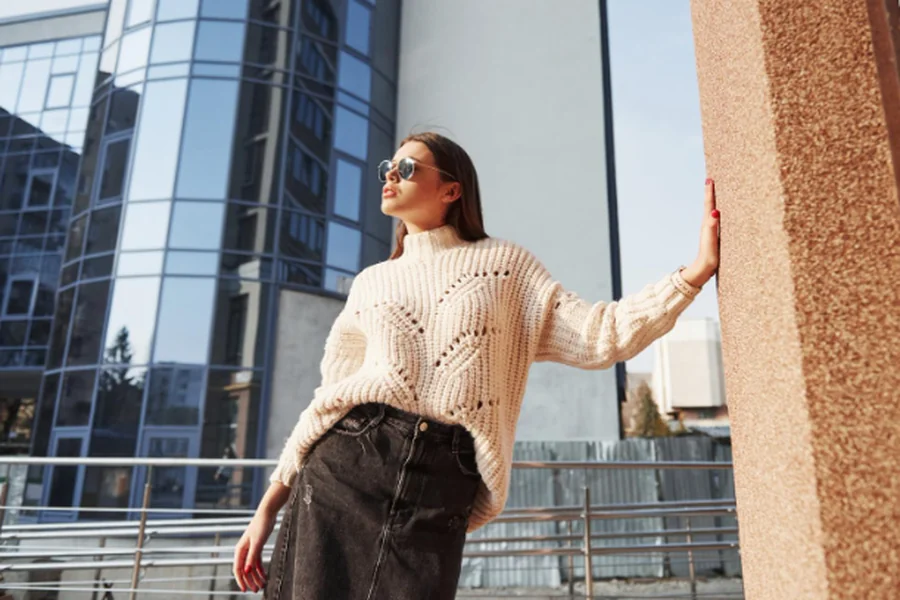
One misconception about slow fashion is that it’s dull or overly minimal. In reality, it’s about longevity, not limitation. A thoughtfully chosen wardrobe can still reflect personality, color, and creativity.
Timeless style often comes from silhouettes and materials that don’t scream a specific year. Knitwear, tailored coats, well-cut denim, and natural fabrics tend to transcend trend cycles. They evolve with the wearer rather than becoming obsolete.
The Emotional Value of Well-Chosen Pieces
There’s a quiet satisfaction in wearing something that feels right year after year. A cardigan that travels with you, appears in family photos, or becomes part of your seasonal rituals holds more value than a fleeting trend item.
Clothing can carry memory. It can remind us of places, people, and moments. Slow fashion makes space for that connection by encouraging fewer, better choices.
A Shift, Not a Sacrifice
Choosing quality over quantity isn’t about restriction. It’s about refinement. Many people find that when they buy thoughtfully, they actually enjoy their wardrobes more. Decision fatigue decreases, outfits feel cohesive, and personal style becomes clearer.
Slow fashion isn’t a rigid rulebook. It’s a perspective, one that asks, “Will I still love this in five years?” If the answer is yes, the purchase is likely worthwhile.
In a fast-moving world, slow choices can feel radical. Yet when it comes to clothing, slowing down often leads to greater satisfaction. Pieces made with care, chosen with intention, and worn with appreciation tend to outlast trends.
Knitwear, with its blend of function, comfort, and heritage, fits naturally into this philosophy. It reminds us that fashion doesn’t always need to be new to feel fresh. Sometimes, the most stylish choice is simply the one that lasts.