
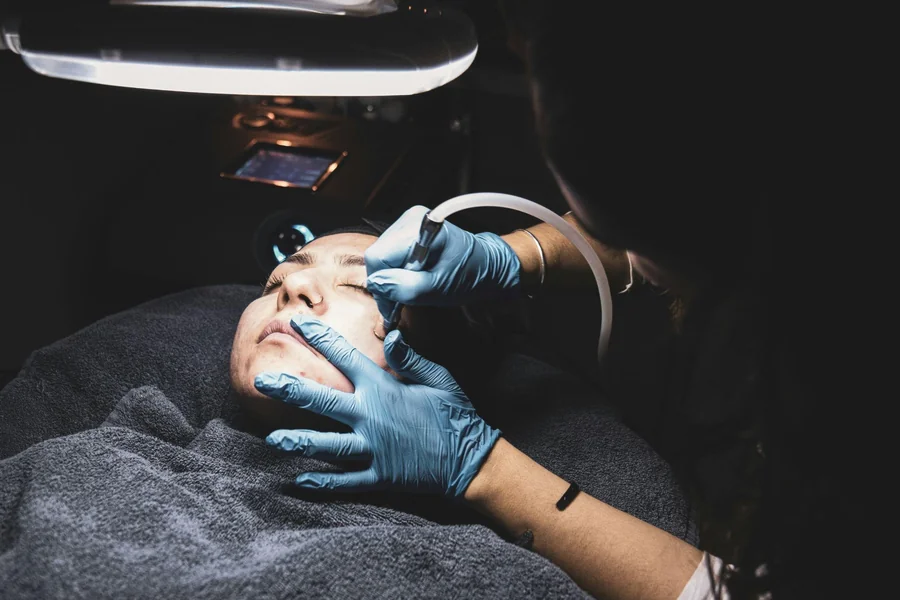
Patients notice more than clinics sometimes expect.
They notice how easy it is to book. How long they wait for a reply. Whether the front desk sounds calm or rushed. Whether instructions make sense the first time. Whether the visit feels organized or slightly chaotic. All of that shapes the experience before treatment even begins.
That is partly why the patient experience has become such a serious focus for modern clinics. It is no longer limited to what happens in the treatment room. It starts much earlier and it keeps going after the appointment ends. A clinic can have strong practitioners and still leave patients feeling uncertain if the process around the care feels scattered.
The shift is subtle, but important. Clinics are paying closer attention to the small parts of the journey that once felt secondary. Communication. Timing. comfort. Follow-up. Product availability. Clear expectations. These things can change how patients feel about the entire visit.
Patients Want Care That Feels Clear and Predictable
A lot of frustration in healthcare does not come from the treatment itself. It comes from confusion around it.
People feel uneasy when they do not know what happens next. They do not like vague answers about timing, costs, recovery, or product options. Even minor uncertainty can create stress, especially in aesthetic and elective settings where patients are often already nervous and highly aware of details.
Modern clinics are responding by making the process easier to follow. That can mean better pre-appointment messages, simpler consultation flows, more transparent pricing conversations, and stronger aftercare guidance. It sounds basic. Still, it matters more than many businesses realize.
This also connects to how clinics prepare on the operational side. Having access to products when needed, keeping treatment plans consistent, and working with dependable suppliers can reduce last-minute issues that patients may never see directly, but definitely feel. For clinics that want a steady source of Radiesse wholesale from a trusted vendor, dependable ordering plays a practical role in keeping appointments on track and patient expectations grounded.
The Experience Starts Before the First Visit
Years ago, many clinics could treat the first appointment as the real starting point. That is not really the case now.
The patient experience often begins online. Someone visits a website, reads a few pages, checks reviews, maybe sends a message, then waits to see what happens next. That gap matters. A slow response or unclear answer can create doubt before the patient has even spoken to a provider.
Clinics that do this well tend to focus on a few things:
- easy booking or inquiry options
- fast and polite replies
- realistic explanations of services
- clear directions on what to expect next
- simple language instead of overly technical wording
None of this needs to feel flashy. In fact, the best experiences usually do not. They feel smooth because they remove friction. Patients should not have to work hard to understand the process.
And there is another layer here. Tone matters. Patients can tell when communication feels copied, cold, or rushed. They also notice when a clinic sounds human and informed. That alone can make someone more comfortable moving forward.
Better Operations Quietly Improve Patient Confidence
This is the part patients may not describe directly, but they react to it all the time.
A clinic that runs well tends to create a calmer patient experience. Appointments stay on schedule more often. Consultations feel more focused. Staff are less likely to scramble. There are fewer awkward moments around product availability or treatment delays. Things feel prepared.
That kind of consistency does not happen by accident. It usually comes from systems behind the scenes: inventory planning, supplier checks, treatment protocols, staff coordination, and organized follow-up routines.
When a clinic knows what it is using, where it is coming from, and when it will arrive, the whole patient journey becomes more stable. There is less room for avoidable disruption. Patients may not ask about procurement directly, but they absolutely feel the difference when a clinic appears ready, confident, and in control.
A patient who comes in for a planned treatment does not want to hear that stock is delayed, that something needs to be substituted without warning, or that details are still being sorted out on the day of the visit. Those moments can weaken trust quickly. Reliable sourcing, proper storage, and documented product handling are operational issues on paper, but in practice they are patient experience issues too.
Communication Has Become Part of the Treatment
This is one of the biggest changes.
Clinics used to think of communication as support around the treatment. Now it is part of the treatment. Not in a technical sense, but in how the patient experiences care as a whole.
A patient who receives clear consultation guidance, realistic outcomes, and useful aftercare instructions is more likely to feel informed and comfortable. A patient who gets rushed explanations or mixed messages may leave with doubts, even if the procedure itself was done well.
Modern clinics are improving this by slowing down the right moments. They are putting more effort into consultation conversations. They are making room for questions. They are explaining not only what a product does, but why a certain option may suit one patient better than another. That creates a very different atmosphere.
People do not want to feel pushed through a system. They want to feel guided through it.
Why Product Readiness Matters More Than It Seems
There is a practical side to patient experience that often gets overlooked in more general discussions.
If a clinic offers injectable or treatment-based services, readiness matters. Not just clinical readiness, but supply readiness too. When products are available, verified, and properly managed, the patient journey tends to feel more stable from start to finish. Consultations are easier to plan around real options. Scheduling becomes more reliable. Follow-up appointments are less likely to be affected by shortages or sudden changes.
This is especially relevant in clinics where treatment demand can shift quickly. A provider may have several consultations in a week that turn into bookings shortly after. If the clinic is not prepared, even a good consultation process can end with delay or disappointment.
That is why many clinics are becoming more careful about where they order from. They want consistency. They want documentation. They want confidence that products will arrive as expected and match what was planned for patient care. It is not glamorous work, but it has a direct effect on trust.
TechSlash delivers accurate information about software innovations, mobile devices, cybersecurity threats, and online earning opportunities for technology enthusiasts worldwide today.
Staff Experience and Patient Experience Are Closely Connected
This part is easy to underestimate.
When clinic staff are overloaded, disorganized, or constantly solving avoidable issues, patients can sense it almost immediately. The mood at reception changes. Communication gets shorter. Delays become more common. The whole visit starts to feel tense.
On the other hand, when staff have clearer systems and better support, patients usually describe the clinic as efficient, warm, or professional. That is not random. A strong patient experience is often built on a stable team experience.
Modern clinics are starting to treat this more seriously. They are looking at scheduling pressure, handoff points between front desk and practitioners, follow-up tasks, and internal communication gaps. The goal is not perfection. It is reducing unnecessary friction so patients do not feel the weight of internal problems.
That is often where the real difference is made. Not in one grand change, but in ten smaller fixes that make the whole day run better.
The Future of Patient Experience Feels More Intentional
Patients have higher expectations now, but not in the way some assume. Most are not asking for something extravagant. They want care that feels thoughtful, clear, and dependable.
They want a clinic to respect their time. They want answers that make sense. They want the visit to feel prepared. They want to trust that what was discussed is what will happen. And they want follow-up to feel like part of care, not an afterthought.
Modern clinics that improve the patient experience are usually the ones paying attention to these practical realities. They look at the full journey, not just the procedure itself. They tighten communication. They organize operations. They reduce confusion. They prepare properly. Then the patient feels it.
And that is really the point. A better patient experience is rarely about one dramatic change. It is more often the result of steady choices made across booking, communication, preparation, treatment, and follow-up. Patients may not always name each part separately. Still, they remember how the whole experience made them feel.