
It feels like people finally hit the limit on self-improvement. You know the cycle, productivity hacks, 30-day fitness challenges, side projects that were supposed to turn into empires. After years of chasing “better,” there’s this collective exhale happening, not the kind that makes you look tired, but the deeper kind you only notice once you stop trying to power through it.
What’s interesting about this new wave of minimalist self-care is how unperformed it feels. Creators mention taking a midday nap or ignoring emails for a few hours without turning it into a lesson or a breakthrough. It lands because it looks like real life, not a brand. And sure, some corners of the internet try to package it in linen and neutrals, but if you scroll long enough, the focus is mostly on doing less, slow walks, finishing half a chapter, letting a morning pass without rushing. It’s ordinary, but maybe that’s the point.
Even the practical side reflects this shift. People are choosing simple, low-effort essentials that make daily care easier, not more elaborate. A gentle hypochlorous spray that soothes stressed skin without a 12-step routine fits that ethos exactly: minimal input, real benefit.
And honestly, the timing tracks. Recent data from the Australian Bureau of Statistics shows rising stress-related absences from work. When whole communities are stretched thin, no wonder there’s a growing appetite for quieter, simpler ways of taking care of ourselves. Minimalist self-care isn’t a trend, it’s the collective willingness to breathe again.
The Algorithm’s Odd Role in Slowing Us Down
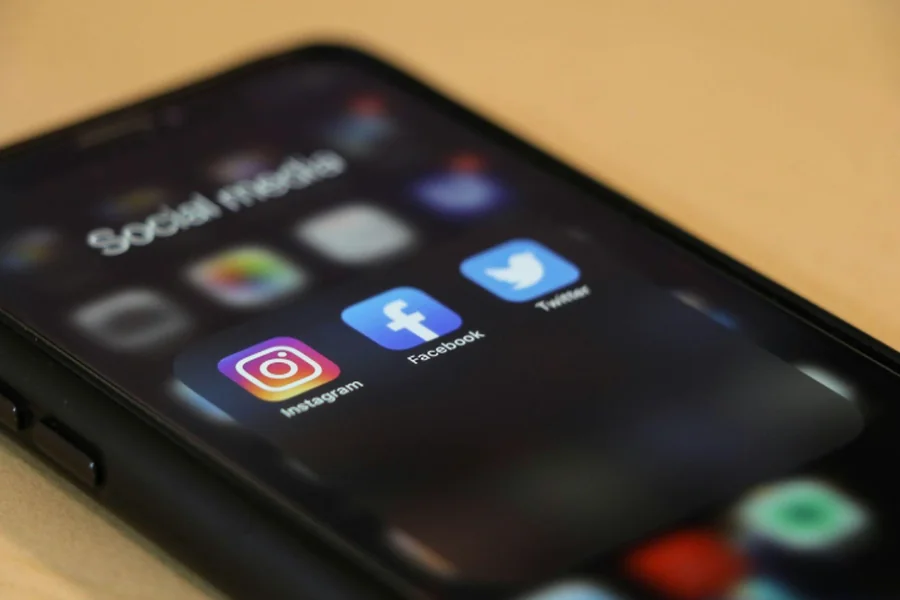
It’s weird to think about rewarding the same algorithms that encouraged hustle culture, now for slower living, but I suppose that’s what’s occurring. If you’ve spent five minutes on TikTok or Instagram in the last few weeks, I’m guessing you’ve noticed videos about relaxing mornings, raw home tours, or noiseless “Reset Days” getting engagement in minutes. Perhaps they realized viewers stick around for content that’s calming, not invigorating. It’s almost the antithesis of what’s gotten popular in the last five years.
It’s also because these posts increase engagement levels, having the person admit they have too much on their plate. Posting about being overwhelmed resonates with many, as most are carrying their own burdens in silence. Expressing that they aren’t themselves on these platforms was something almost viewed as taboo, something reserved for these types of pages, yet now there’s an element to becoming its own support group.
Still, there’s definitely some pressure in this trend. Some of it is real, because there’s really an appetite for a slower pace of living. Some of it, however, is staged to fit into this new world of monetized attention. Whether watching someone brew tea in silence is relaxing is one thing, because it is, after all, edited, deliberate, and in some way, to some audience, someone’s private business, no matter how tempered. Maybe it’s not enough to invalidate it. Maybe it’s just what the internet does, which is to take private moments and make them communal, hoping to find something in between.
Small Rituals That Need Not Prove Anything
What’s most striking about 2025 is that the rituals are small in scale. Not the indulgent spa retreats, not the costly treatments, but small things to make someone feel more centered.
Take, for example, someone organizing their desk for two minutes or taking a break to get some fresh air. These are not things that would have made it into some sort of self-indulgence handbook in the not-so-distant past, yet now such small things represent the heart of self-indulgence.
There’s less talk about transformation, either. People aren’t promising to transform their lives or their personality. They’re just sharing moments in which they’re offering a taste of ease. It’s a reminder to think about self-care not needing to be ambitious. It’s simply being aware of yourself, rather than trudging through another day in life on autopilot.
Some of these postings slide into almost mundane realms, like someone folding towels, someone watering plants, someone methodically brewing coffee because they finally have a morning to themselves. It’s almost comedic in its banality, in its simplicity, yet people tune in as if these quiet rituals are profound. Maybe that’s because regular life has become something to covet, a kind of grounding force in an online world that runs too fast. And in that same spirit of small-but-steady comforts, even practical essentials like grip socks trampoline find their way into the conversation, proof that everyday stability, in any form, resonates more than ever.
There’s an understanding that, in taking care of oneself, it shouldn’t be like having to go to work. As soon as it’s performative, the point gets lost. And what’s happening is they’re pulling back, keeping things relaxed, not having to have any plan or consistency in place whatsoever. It’s just having to be there.
Why People Keep Returning to This Simpler Rhythm
The movement is continually gaining momentum, in part for the reason that it requires so very little. Anyone with internet access is able to join in, no purchase necessary, no changes to their regimen required. It’s hard to feel like you’re lagging behind. It’s not like you have to sit in front of your best light, with your most polished settings to broadcast your message, to be heard.
It’s not like people suddenly realized what’s wrong with overworking. It’s not like life hasn’t been, isn’t, full of demanding moments in all the usual ways. It’s like there’s been a kind of, I suppose ‘softening.’ Maybe that’s what it is. A readiness to accept life with its imperfections. It’s in the slower speaking on-camera from artists, admitting exhaustion with no regrets. It’s in listening to the softer sounds drifting in for happier song choices in vlogs.
Perhaps what’s needed is to take back bits of their day from the noise. Perhaps what they’re after is finding pockets of ease in their life, pockets not based on success or productivity. Or, perhaps it’s something far simpler: they simply wish to again be themselves. It’s not dramatic. It’s not polished. It’s not, really, all that original if we think about it.
But what’s interesting about its popularity now is what we might be saying about our level of stimulation, about what’s built up in us, about our readiness to live, for just a few minutes, maybe, at a different pace.
And yet, scrolling through some of the less hectic areas on social media, you can almost pick out its presence, like the entire world is somehow remembering what it means to breathe, to not have to move on to what’s next.