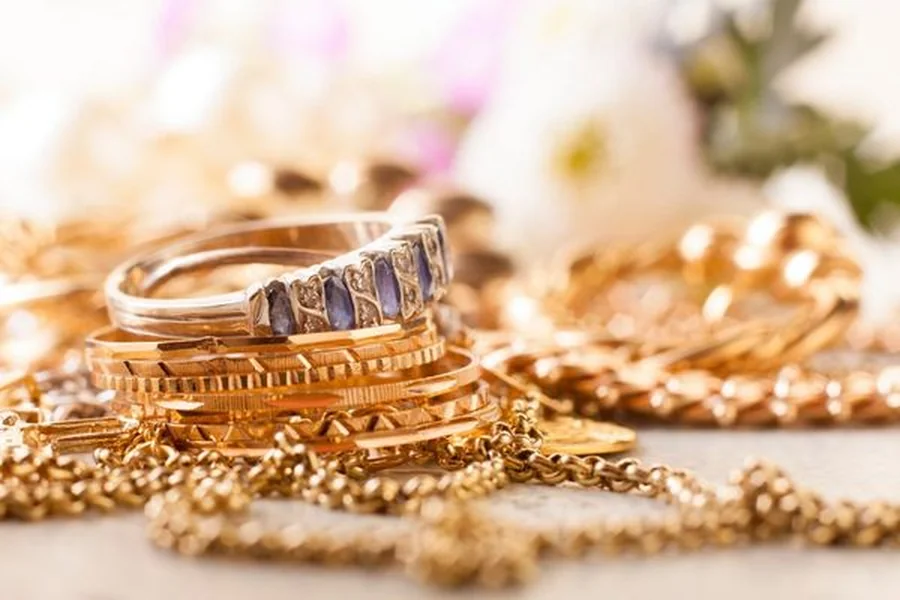
Arizona has quietly built one of the most balanced and accessible jewelry markets in the country. A mix of historical expertise, steady demand, and knowledgeable buyers creates conditions that benefit both sides of a transaction. Jewelry here is treated as both a personal asset and a store of value, not just a luxury item.
Buyers tend to be informed, and sellers are often encouraged to understand what they own before making decisions. In a market shaped by experience rather than hype, isn’t that a strong foundation for fair exchanges?
A State Built on Precious Metals and Craftsmanship
Arizona’s connection to precious metals runs deep, shaped by decades of mining and hands-on craftsmanship. Gold, silver, and copper extraction didn’t just fuel the state’s economy, it created generations of people who understand how metals are valued, processed, and traded. That practical knowledge still influences how jewelry is evaluated today. Sellers often find they’re dealing with professionals who know the difference between surface appeal and true material worth.
This legacy also affects how buyers operate. Many buyers in Arizona are comfortable assessing raw materials, finished jewelry, and older pieces that may not come with modern documentation. That creates a market where knowledge is shared openly rather than guarded. When expertise is common, pricing tends to be more grounded in reality. Isn’t that what most buyers and sellers are looking for?
A Competitive Jewelry Market That Works in Your Favor
Arizona has a high concentration of jewelry buyers, which naturally creates competition. When buyers compete, offers improve and pricing becomes more transparent. Sellers aren’t forced to accept the first number they hear, and buyers must justify their valuations. That balance keeps the market healthier for everyone involved.
For buyers, competition also means access to a wider range of inventory. Different buyers focus on different categories, such as diamonds, gold, vintage pieces, or estate jewelry. This specialization makes the market more efficient and informed. Instead of one-size-fits-all pricing, jewelry is evaluated based on what it actually is. That’s a big advantage compared to markets where options are limited.
Why Selling Jewelry Is Often Easier in Arizona
Selling jewelry in Arizona often feels more straightforward than in larger, more congested markets. Lower overhead costs mean buyers can operate with more flexibility, which can translate into better offers. Many sellers choose to work with local jewelry buyers in Scottsdale and Phoenix because in-person evaluations make it easier to see how value is calculated rather than relying on vague online estimates. That transparency helps reduce uncertainty and frustration.
There’s also consistent demand for a wide range of jewelry types. Gold, diamonds, and estate pieces all have strong secondary markets in the state. Many sellers are surprised to learn that older or inherited jewelry still holds significant value. Having access to knowledgeable buyers makes it easier to turn unused pieces into something practical. Why let jewelry sit in a drawer when there’s an active market for it?
A Great Place to Buy Jewelry, Whether for Style or Investment
Arizona offers buyers access to a diverse selection of jewelry, from everyday pieces to high-end items. The market supports both people shopping for personal enjoyment and those thinking in terms of long-term value. Because inventory moves through multiple channels, buyers aren’t limited to a single style or price range. That flexibility makes it easier to find pieces that match both taste and budget.
Buyers also benefit from dealing with sellers who understand market value. Pricing tends to reflect real demand rather than inflated trends. Whether someone is purchasing a diamond, a gold piece, or a vintage item, there’s often room for thoughtful discussion. That creates a more relaxed buying experience. Isn’t buying jewelry more enjoyable when it feels informed rather than rushed?
How Tourism and Seasonal Residents Shape the Market
Tourism plays a steady role in Arizona’s jewelry market. Visitors often view jewelry as a meaningful souvenir or a portable luxury purchase. Seasonal residents, especially those who spend extended time in the state, contribute to consistent buying and selling activity. This creates natural cycles of demand throughout the year.
These seasonal patterns also benefit sellers. During peak periods, buyers are more active and inventory moves faster. Jewelry becomes both a personal item and a practical asset. The constant flow of people keeps the market from becoming stagnant. That kind of movement helps maintain fair pricing and strong interest.
The Cultural Side of Arizona’s Jewelry Scene
Arizona’s cultural influence adds depth to its jewelry market. Native American jewelry traditions, especially silver and turquoise work, are widely recognized and respected. These pieces aren’t just decorative. They carry historical and artistic significance. That cultural value often enhances market demand.
Collectors and everyday buyers alike appreciate authenticity and craftsmanship. Handcrafted pieces often command attention because they tell a story beyond materials alone. This cultural connection also educates buyers about what they’re purchasing. When jewelry has both material and cultural value, it tends to hold interest over time. That combination is hard to replicate elsewhere.
Trust, Transparency, and Knowing What Your Jewelry Is Worth
Education plays a major role in Arizona’s jewelry transactions. Buyers commonly explain how weight, purity, condition, and market demand affect value. This openness helps sellers make informed decisions instead of guessing. When expectations are realistic, transactions tend to be smoother and more satisfying.
Transparency also builds trust over time. Sellers who understand the process are more confident, even if they choose not to sell immediately. Buyers benefit from dealing with informed clients who appreciate fair pricing. It’s a healthier dynamic for both sides. Wouldn’t most markets benefit from that level of clarity?
How Arizona Compares to Other Jewelry Markets
Compared to large coastal cities, Arizona’s jewelry market often feels more personal. Transactions are less rushed and less influenced by high overhead or branding pressure. Buyers and sellers typically have time to talk through details. That leads to decisions based on value rather than urgency.
While major cities may offer volume, Arizona offers balance. The focus is often on long-term relationships rather than quick turnover. This approach appeals to people who value fairness and understanding over speed. It also reduces the feeling of being just another transaction. For many, that difference matters.
What to Keep in Mind Before Buying or Selling Jewelry
Preparation makes a noticeable difference in outcomes. Sellers benefit from understanding what they have, even if documentation is limited. Buyers appreciate clear information and realistic expectations. Timing can also influence value, especially for metals tied to market prices.
Choosing experienced professionals is essential. Reputation, communication style, and willingness to explain the process all matter. Jewelry transactions shouldn’t feel confusing or pressured. When both sides are informed, the experience becomes far more positive. Isn’t that the goal, whether you’re buying or selling?
Conclusion
Arizona continues to attract jewelry buyers and sellers because the market is grounded in knowledge, transparency, and consistent demand. Competition keeps pricing realistic, while cultural influence and seasonal activity add depth and stability.
Transactions are often personal, informed, and focused on long-term value rather than quick sales. That balance makes the experience more approachable for newcomers and more reliable for experienced participants. When a market rewards understanding and fairness, what more could buyers and sellers reasonably ask for?