

Early intervention programmes play a meaningful role in supporting children with developmental needs during their formative years. In Singapore, growing awareness around childhood development has led to wider recognition of structured support during early childhood. These programmes focus on children at an age where learning patterns, communication abilities, and social behaviours are still forming. When support begins early, children have greater opportunities to build skills that support long-term learning and daily participation.
An early intervention programme in singapore offers structured guidance across developmental areas such as communication, movement, learning, and interaction. The aim centres on guiding children towards age-appropriate abilities and helping them adapt to future educational environments. With the right support provided early, children are better positioned to engage meaningfully with their surroundings.
What Early Intervention Programmes Involve
Early intervention refers to structured support services designed for infants and young children who display developmental delays or diagnosed conditions. These services cover a wide range of needs, including speech development, physical coordination, emotional regulation, and learning readiness. The programmes focus on addressing challenges early rather than waiting for difficulties to escalate during formal schooling years.
In Singapore, early intervention services usually support children from birth to six years old. This stage of life involves rapid brain development and high adaptability. Support introduced during this period often leads to stronger outcomes later in childhood. When developmental gaps are addressed early, children gain skills that support independence, communication, and social participation.
Early identification plays a central role. Developmental screening and professional assessments allow support plans to be structured around each child’s needs. When intervention begins soon after delays are recognised, children often respond more positively to therapy and guided learning.
Structured Support Through Coordinated Services
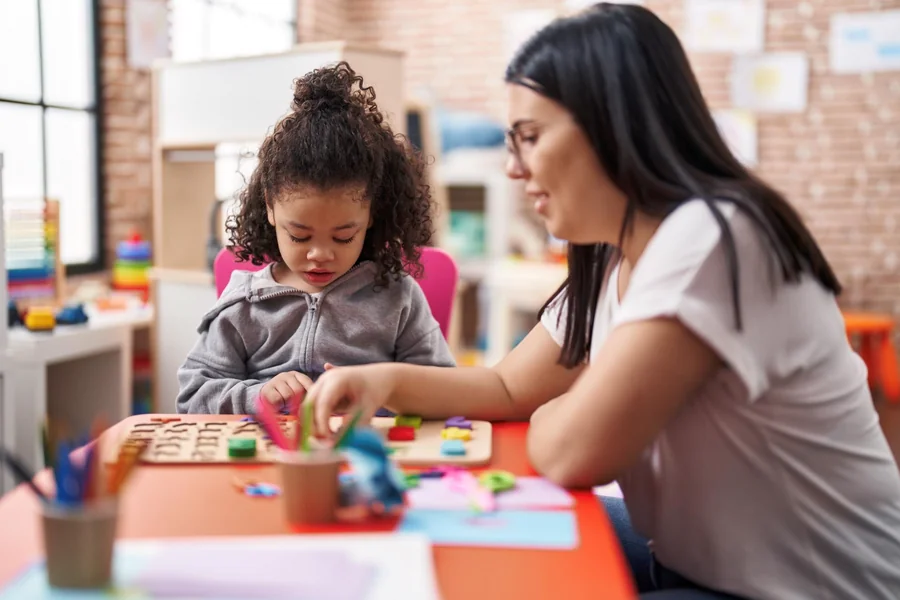
Early intervention programmes in Singapore operate through coordinated support from trained professionals. Speech therapists, occupational therapists, physiotherapists, and early childhood educators work together to create personalised learning plans. Each child receives guidance tailored to current abilities and developmental goals.
These programmes emphasise gradual skill development. Sessions focus on improving communication, motor coordination, attention, and interaction through guided activities. Progress is monitored regularly, allowing adjustments to be made as children develop new abilities.
Family involvement remains a key component of these services. Caregivers receive guidance on how to support learning within daily routines. When therapy strategies extend into the home environment, children receive consistent reinforcement, strengthening the learning process.
National Support and Programme Accessibility
Singapore’s early intervention framework receives strong backing through public initiatives and partnerships. Government agencies collaborate with voluntary welfare organisations and private service providers to offer structured intervention services across the island. These centres follow established standards to maintain consistency and service quality.
Financial support remains a significant component of programme accessibility. Subsidies under schemes such as the Early Intervention Programme for Infants and Children allow families to access services with reduced financial strain. This approach supports equitable access, allowing children from different backgrounds to receive developmental support without cost becoming a barrier.
These measures reflect a broader commitment to inclusive childhood development. By expanding access and supporting service providers, Singapore continues to strengthen its early intervention ecosystem.
Supporting Families Through Knowledge and Guidance
Parents and caregivers play an influential role in a child’s development. Early intervention programmes recognise this by offering structured guidance that empowers families to participate actively in the learning process. Training sessions often focus on practical strategies that can be incorporated into daily routines, such as playtime, meals, and communication moments.
Family support extends beyond instructional guidance. Caregivers often benefit from shared experiences through group sessions and informal networks linked to intervention centres. These connections provide reassurance and shared understanding, reducing isolation for families navigating developmental challenges.
When caregivers feel confident and informed, children receive stronger emotional support alongside therapy input. This collaborative approach strengthens developmental progress and reinforces consistency across learning environments.
Developmental Progress and Long-Term Impact
Children who participate in early intervention programmes often demonstrate improvement across multiple areas. Communication skills tend to improve through targeted speech activities. Motor skills develop through guided physical exercises. Social interaction becomes more confident through structured play and peer engagement.
Early support contributes to smoother transitions into preschool and primary education settings. Children often show improved attention, learning readiness, and emotional regulation. These foundational skills support classroom participation and peer relationships.
Early intervention also allows professionals to identify additional developmental needs at an early stage. When overlapping conditions are identified sooner, support plans can be adjusted to address broader needs. This coordinated approach supports steady progress and reduces future learning barriers.
Ongoing Challenges and Areas for Growth
Despite strong programme structures, early intervention services in Singapore face ongoing challenges. Demand for specialised services continues to rise as awareness of developmental health grows. This has led to longer waiting periods at some centres and increased pressure on trained professionals.
Workforce development remains a priority. Expanding training pathways for therapists and educators helps address service gaps and supports programme sustainability. Continued investment in professional development strengthens service quality and capacity.
Technology also presents opportunities for service development. Digital tools now support progress tracking, remote consultation, and interactive learning activities. These tools allow families to engage with therapy resources beyond physical sessions, increasing flexibility and reach.
As services continue to evolve, collaboration between policymakers, educators, healthcare professionals, and families remains central to sustained improvement.
Building an Inclusive Future Through Early Support
Early intervention programmes contribute meaningfully to childhood development in Singapore. Through structured support, coordinated services, and family engagement, these programmes guide children towards stronger learning foundations. Early support shapes confidence, communication, and adaptability during formative years.
By continuing to expand access, strengthen professional training, and support families, Singapore reinforces its commitment to inclusive development. Early intervention creates pathways for children to participate fully in education and community life. Through early guidance and sustained support, children are given opportunities to grow, learn, and engage with confidence as they progress through each stage of development.