
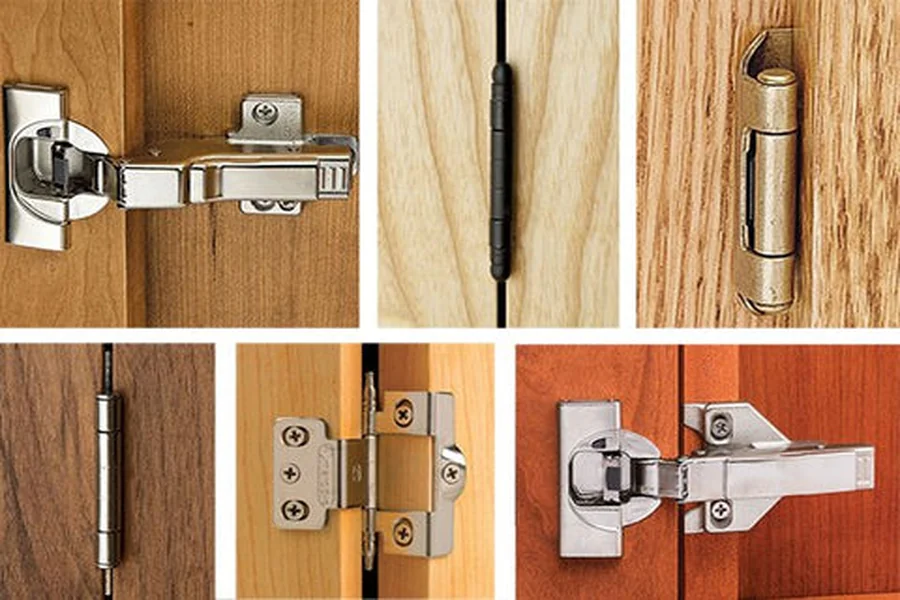
When a cabinet door closes with a controlled, quiet motion rather than a hard slam, that outcome depends almost entirely on the quality of the hinge mechanism behind it. For kitchen and bath cabinet makers, custom furniture producers, commercial fixture manufacturers, and millwork shops, the hinge is not a minor detail. It is a functional component that directly affects the end product’s durability, user experience, and long-term reliability in the field.
Choosing the right soft close hinge manufacturer is a procurement decision that carries real weight. A poor choice can result in components that fail prematurely, inconsistent performance across production runs, and warranty or replacement costs that quietly erode margins over time. This article is written for buyers, operations managers, and product developers who need to evaluate manufacturers with clear criteria rather than relying on catalog descriptions or price alone.
1. Understanding What “Soft Close” Actually Requires from a Manufacturer
Soft close functionality is not a simple add-on to a standard hinge. It depends on a precisely calibrated damping mechanism that decelerates the door at a specific point in its closing arc. The fluid or spring-based systems inside these hinges must perform consistently across thousands of cycles without losing their resistance or breaking down. Manufacturing this type of component requires more than standard metalworking — it requires controlled assembly environments, quality damper components, and consistent tolerances across every unit produced.
When reviewing supplier options, the Soft Close Hinge Manufacturer overview provides useful context on what separates commodity hinge production from more application-specific manufacturing. Not every supplier offering soft close products has the process controls in place to ensure that damping behavior stays consistent across a large production run or over the lifecycle of the hinge.
Why Damping Consistency Matters at Scale
A shop running a small custom project can absorb occasional variability. A manufacturer producing hundreds or thousands of cabinets per month cannot. If damping resistance varies from unit to unit, some doors will feel noticeably different from others, even within the same cabinet assembly. That inconsistency creates customer complaints, rework, and reputational exposure for the cabinet maker — not the hinge supplier. Understanding how a manufacturer controls damping tolerance during production is one of the most practical questions a buyer can ask.
2. Domestic vs. Import: What the Distinction Actually Means for Your Operation
There is a real difference between a US-based soft close hinge manufacturer and an importer who sources product overseas and packages it under a domestic brand. Both exist in the market. Neither is automatically superior or inferior, but they carry different risk profiles, lead time structures, and accountability arrangements that affect your supply chain in distinct ways.
Lead Times and Supply Chain Exposure
Domestic manufacturers typically offer shorter lead times and more predictable replenishment cycles. When production schedules shift or a job requires additional components mid-run, proximity matters. Import-dependent suppliers may carry adequate inventory, but they are exposed to shipping delays, port congestion, and international supply disruptions that are difficult to anticipate or manage. For shops operating on tight installation timelines, that exposure can cause real project delays.
Accountability and Communication
When a component fails or a shipment arrives with quality issues, resolution speed depends on how accessible the supplier actually is. Domestic manufacturers are generally more reachable for technical conversations, quicker to respond on defective component claims, and more willing to adjust product specifications when a customer’s application requires it. This does not mean every domestic supplier is well-managed, but the structural conditions for accountability are typically stronger.
3. Certifications and Compliance Are Not Bureaucratic Formalities
Hardware components used in cabinetry and furniture production are subject to performance and safety standards that vary by application and end market. Commercial kitchen installations, healthcare furniture, and products destined for certain export markets each carry their own compliance requirements. A soft close hinge manufacturer without documented testing or certification history creates downstream risk for the buyer — particularly if the finished product enters a regulated environment.
Industry standards bodies such as the Builders Hardware Manufacturers Association establish performance benchmarks for cabinet hardware including cycle testing, load capacity, and corrosion resistance. Manufacturers who have tested against recognized standards can provide documentation that supports your own compliance requirements and client conversations.
What to Request Before Approving a Supplier
Before placing volume orders, ask for cycle test results, material certifications, and any third-party testing documentation the manufacturer can provide. A supplier that cannot produce this information is not necessarily producing inferior product, but the absence of documentation limits your ability to verify performance claims independently. For products going into commercial applications or healthcare environments, that verification step is not optional.
4. Minimum Order Requirements Shape More Than Your First Purchase
A manufacturer’s minimum order structure tells you something important about their business model. High minimum quantities suggest a production model oriented toward large, stable customers. That may suit a high-volume cabinet shop perfectly well but creates friction for mid-size operations with variable order patterns or for shops that want to trial a new hinge specification before committing to large inventory.
Matching Supplier Scale to Your Operation
Some manufacturers offer tiered pricing that allows smaller initial orders at a higher unit cost, with volume pricing kicking in at defined thresholds. This structure works for buyers who want to test performance in real production before scaling up. Other suppliers require full minimum quantities on every order, which creates inventory carrying costs and ties up capital. Understanding how a manufacturer handles order flexibility early in the relationship prevents problems when your volume or schedule changes.
5. Customization Capability Is Rarely What It Appears on a Product Sheet
Many manufacturers list custom options in their product catalogs — custom finishes, modified overlay dimensions, special dampening tensions, or branded packaging. In practice, the ability to deliver genuine customization varies significantly. Some suppliers can modify existing tooling and run small custom batches efficiently. Others treat every non-standard request as a project requiring long lead times, tooling charges, and high minimum commitments that make customization impractical for most buyers.
How to Test a Supplier’s Real Customization Depth
The most direct approach is to ask for a specific, realistic modification relevant to your production needs and observe how the manufacturer responds. A supplier with genuine customization capability will give you a clear timeline, cost structure, and process explanation. A supplier who handles custom requests as exceptions will respond vaguely, redirect toward standard catalog items, or quote minimums that are financially out of reach for the modification you need. How a supplier handles this question tells you as much as anything on their website.
6. Sample Programs and Pre-Production Testing Protect Your Project
A sample program is not just a sales tactic. For a buyer evaluating a soft close hinge manufacturer, the ability to test physical product before committing to a production order is a meaningful risk reduction step. Soft close feel, finish quality, mounting accuracy, and overlay performance all need to be verified in your actual application, not assumed from a spec sheet.
Running a Proper Component Evaluation
When evaluating samples, test hinges across several cabinet builds rather than a single unit. Check the closing speed under different door weights and sizes. Test the finish under conditions your product will actually encounter — humidity, temperature variation, cleaning products. Evaluate how the hinge mounts against your current clip plate or frameless drilling pattern. A component that performs well in isolation but creates fitment problems in your existing production setup introduces costs that are easy to underestimate.
7. Long-Term Support Matters More Than the Initial Transaction
The relationship with a soft close hinge manufacturer does not end at delivery. Over time, questions arise about replacement parts, discontinued SKUs, technical support for unusual applications, and component updates when a manufacturer revises their product line. A supplier with strong post-sale support absorbs these situations cleanly. A supplier that becomes difficult to reach after the purchase creates operational friction that accumulates quietly over time.
Evaluating Support Before You Need It
Ask prospective suppliers directly how they handle product discontinuation — whether they provide advance notice, maintain spare inventory during transitions, or offer equivalent substitute products. Ask how technical questions are handled and who the point of contact is for ongoing accounts. These conversations reveal a great deal about how a supplier actually operates, separate from whatever their sales materials suggest.
Closing Thoughts
Selecting a soft close hinge manufacturer is a sourcing decision with practical consequences that extend well beyond price per unit. The consistency of the damping mechanism, the manufacturer’s proximity and accountability, their compliance documentation, order flexibility, and support model all shape the actual cost and reliability of the component over its working life in your products.
The criteria covered here are not exhaustive, but they address the points where buyers most commonly encounter problems after making a supplier commitment. Asking direct questions about process controls, certifications, customization capability, and post-sale support before approving a supplier gives you a clearer picture of what you are actually buying into. That due diligence is straightforward to conduct and protects the consistency of what you produce.
For operations where cabinet and furniture quality is a direct reflection of your business reputation, the hinge is worth the additional attention. A reliable component, consistently delivered by a supplier who understands your production context, makes the entire downstream workflow more predictable — and that predictability has real commercial value.