
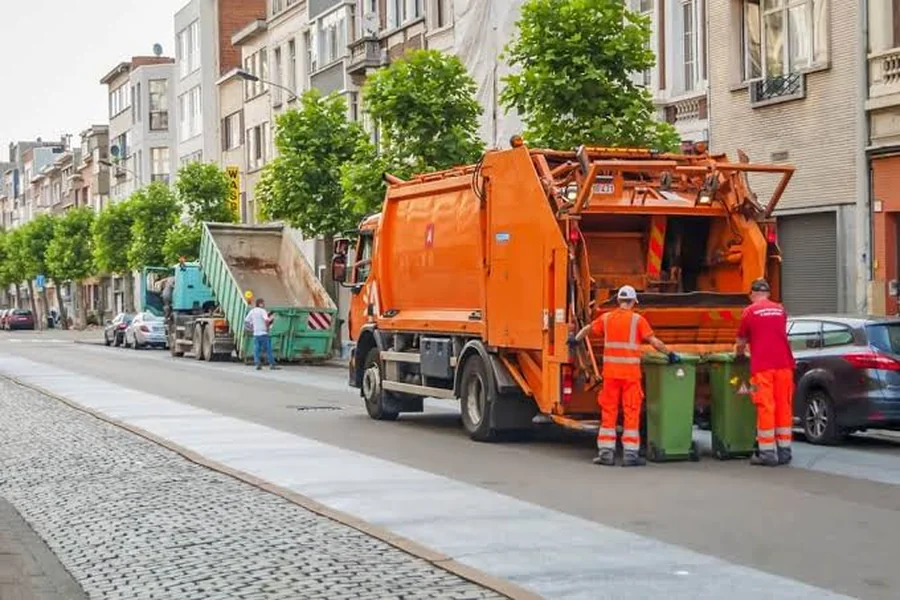
We generate a staggering amount of waste. Every day, households toss out plastics, food scraps, and packaging, often without a second thought about where it ends up. For decades, the standard solution has been a centralized “out of sight, out of mind” approach: trucks come, collect the bins, and dump the contents into massive landfills or incinerators far away from residential areas.
The Three Pillars of Community Waste Management
When communities take ownership of their waste, the results often extend far beyond cleaner streets. The benefits ripple outward, creating positive changes in the environment, the local economy, and the social fabric of the neighborhood.
Environmental Advantages
The most immediate impact of localized waste management is a drastic reduction in pollution. Traditional systems often involve hauling trash hundreds of miles, burning significant amounts of fossil fuels in the process. By managing waste locally—processing compost on-site or aggregating recyclables at a neighborhood hub—communities can significantly lower the carbon emissions associated with transport.
Furthermore, community initiatives often achieve much higher diversion rates than municipal programs. When people feel personally connected to the outcome, they are more likely to sort their waste correctly. This reduces contamination in recycling streams, meaning more materials actually get recycled rather than ending up in a landfill.
Local composting programs are particularly effective. Organic waste trapped in landfills generates methane, a potent greenhouse gas. By diverting food scraps to a community garden compost pile, neighborhoods not only stop methane production but also create nutrient-rich soil that captures carbon and supports local greenery.
Economic Opportunities
Waste is often viewed as having zero value, but community-based programs flip this narrative. By treating waste as a raw material, these initiatives can stimulate the local economy. This is the essence of the “circular economy,” where resources are kept in use for as long as possible.
Community initiatives frequently create local jobs. Unlike highly automated, massive waste facilities, local collection, sorting, and processing require human labor. This can provide employment opportunities for marginalized groups within the community who might face barriers to entry in other sectors.
There is also the potential for revenue generation. Neighborhoods can sell sorted, high-quality recyclables to processors. Upcycling workshops can teach residents how to repair furniture or clothing, turning potential trash into valuable goods. Some communities even trade compost for fresh produce, creating a localized barter system that reduces household grocery bills.
Social Cohesion and Education
Perhaps the most overlooked benefit of CBWM is its ability to bring people together. In many modern cities, neighbors rarely interact. A shared project, like managing a community recycling center or a compost hub, provides a neutral ground for interaction. It builds a sense of shared purpose and civic pride.
These initiatives also serve as powerful educational tools. When waste management becomes visible rather than hidden, it changes behavior. Residents who see the sheer volume of plastic accumulating in their local collection center are more likely to reconsider their purchasing habits. Children who grow up participating in these programs develop a lifelong understanding of sustainability, carrying those values into adulthood.
Navigating the Roadblocks
While the vision of community-led waste management is inspiring, the reality of implementation is often messy. Grassroots groups face distinct hurdles that can stall progress if not addressed early.
Funding and Resources
The most common obstacle is a lack of capital. Setting up bins, securing land for composting, or purchasing safety equipment requires money. Since these initiatives are often run by volunteers or non-profits, they lack the steady tax revenue that municipal governments rely on.
The Solution: Successful projects often adopt a hybrid funding model. This might include applying for environmental grants, implementing small membership fees for participants (e.g., a subscription for compost pickup), or partnering with local businesses for sponsorship. Crowdfunding has also become a viable way to secure initial startup costs while simultaneously validating community interest.
Participation and Behavioral Change
Changing habits is hard. Even with the best intentions, residents may find it difficult to switch from a convenient “single bin” system to a multi-stream sorting process. Apathy or confusion about what goes where can lead to low participation rates or high contamination levels.
The Solution: Education must be continuous and accessible. Clear, visual signage is more effective than text-heavy brochures. Gamification—such as tracking the weight of waste diverted and celebrating milestones—can create a sense of collective achievement. Making the process convenient is also crucial; collection points must be easy to access for the system to work long-term.
Regulatory Hurdles
Waste management is a heavily regulated industry for good reason; improper handling can lead to health hazards. However, zoning laws and sanitation regulations are often written with large industrial haulers in mind, not small neighborhood co-ops. Navigating the bureaucracy can be discouraging for community leaders.
The Solution: Early engagement with local authorities is essential. Rather than operating under the radar, groups should seek to demonstrate how their work aligns with the city’s broader sustainability goals. In complex cases, organizations may seek sustainability consulting to help interpret local laws and develop a compliant operational framework that satisfies municipal requirements without stifling the initiative’s spirit.
Conclusion
The shift toward community-based waste management represents a maturity in how we approach environmental stewardship. It acknowledges that technology alone cannot solve the waste crisis; we need cultural and behavioral changes that start at the household level.