
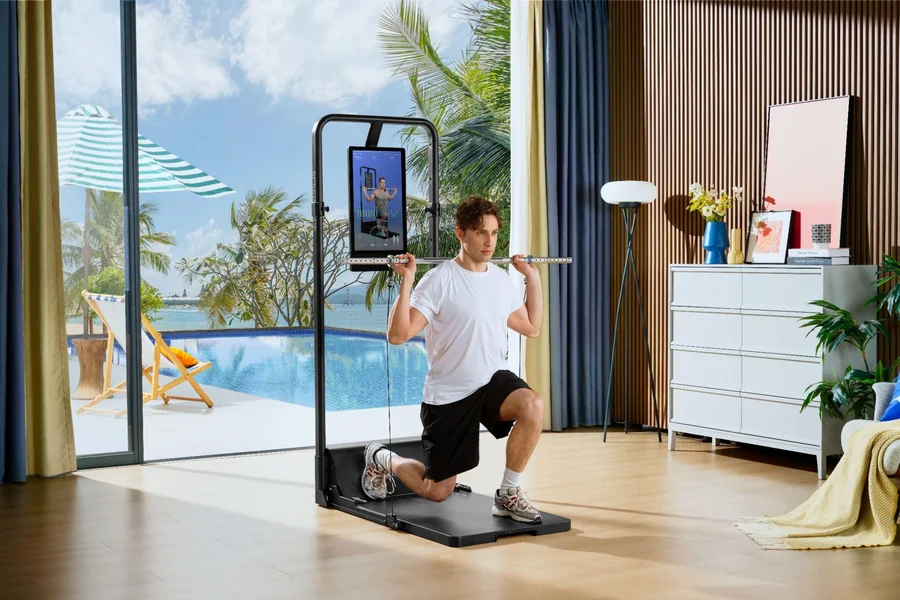
Strength training has long been built around classic free weights such as dumbbells, barbells, and weight plates. But now, smart resistance systems like Speediance are changing the game. This article explains why smart resistance can outperform traditional weights by looking at the science behind how they work, how they adapt, and what benefits they bring.
What is Smart Resistance?
Smart resistance refers to modern training devices that use digital motors or computer-controlled mechanisms instead of traditional weight plates. Speediance, for example, offers a digital weight system with dual direct-drive motors that create adjustable and controlled resistance.
Instead of lifting a physical 50 kg barbell, you use a system that simulates that same resistance electronically. This allows instant changes in load, smooth motion, and accurate tracking of performance.
How Speediance Works
Dual Motors and Digital Weight
Speediance operates through two direct-drive motors that provide precise and smooth resistance. These motors replace stacks of plates and can change resistance in small increments, making training safer and more efficient.
Variable Resistance Modes
A major advantage of Speediance is that it includes several resistance modes such as Standard, Chain, Eccentric, and Constant.
- Standard Mode keeps resistance steady, like lifting free weights.
- Chain Mode increases resistance as you move upward, mimicking the feel of chains used in advanced training.
- Eccentric Mode increases resistance during the lowering phase of a movement, helping build strength faster.
- Constant Mode maintains steady resistance or speed, which is useful for recovery or controlled movements.
Real-Time Feedback and Tracking
Speediance also offers detailed feedback on every workout. It automatically tracks your repetitions, resistance levels, calories, and strength progress. The system even estimates your one-rep max and monitors muscle readiness, helping you train smarter every session.
Why Smart Resistance Outperforms Traditional Weights
Precision and Variability of Load
With traditional weights, you can only increase or decrease load by adding or removing plates. Smart resistance systems allow micro-adjustments in resistance and can change the load mid-exercise. This precision helps tailor every repetition to your actual strength level, improving both safety and effectiveness.
Enhanced Eccentric Emphasis
Studies show that the lowering part of an exercise (the eccentric phase) is key to building strength and muscle. Smart resistance allows you to automatically increase weight during this phase, maximizing muscle engagement without needing a spotter.
Better Safety and Feedback
Smart systems provide automatic feedback and adjust to your strength and fatigue in real time. This reduces the risk of injuries and prevents overtraining. In contrast, traditional weights rely completely on your judgment and form, which can lead to errors.
Adaptation and Customisation
With smart resistance, you can easily customise every session according to your needs. The system analyses your previous performance and adapts your next workout automatically. Traditional weights cannot offer this level of personalisation.
Efficiency and Space Saving
Smart systems like Speediance combine multiple exercise machines into one compact unit. You can perform hundreds of exercises with minimal space and setup time. For people who prefer working out at home, this is both convenient and motivating.
Limitations of Traditional Weights
Traditional free weights have several limitations that smart resistance addresses:
- Adjusting weight manually can be time-consuming.
- Heavy lifts often require spotters for safety.
- Resistance stays fixed throughout the motion, limiting efficiency.
- Tracking progress requires manual note-taking.
Smart resistance solves all these issues by providing automated adjustments, safety controls, and built-in performance tracking.
When Smart Resistance Might Not Replace Free Weights
Free weights still have unique benefits that smart systems do not fully replicate. Lifting free weights challenges your balance and stability, helping develop coordination and core strength. Some athletes also prefer the natural feel of iron weights and the atmosphere of a gym.
Another consideration is cost. Smart resistance systems are a larger investment upfront, although they save money in the long run by replacing multiple gym machines.
Practical Tips for Using Speediance
- Start with an assessment: Use the system’s initial test to find your baseline strength and detect imbalances.
- Select the right mode: Use eccentric or chain modes for strength, and constant mode for recovery or stability.
- Track your data: Monitor your progress and adjust your goals based on performance insights.
- Combine training methods: Use smart resistance for major lifts and free weights for stability and coordination exercises.
- Stay consistent: Smart features matter most when used regularly. Keep your training routine steady for the best results.
Conclusion
Smart resistance technology represents a major step forward in strength training. By combining digital precision, adaptive resistance, and real-time feedback, systems like Speediance help users train more safely and efficiently.
While traditional weights will always have a place in fitness, smart resistance offers flexibility, data-driven control, and personalized progress that traditional equipment simply cannot match. For those looking to maximize results with modern technology, Speediance proves that the future of strength training is truly smart.