
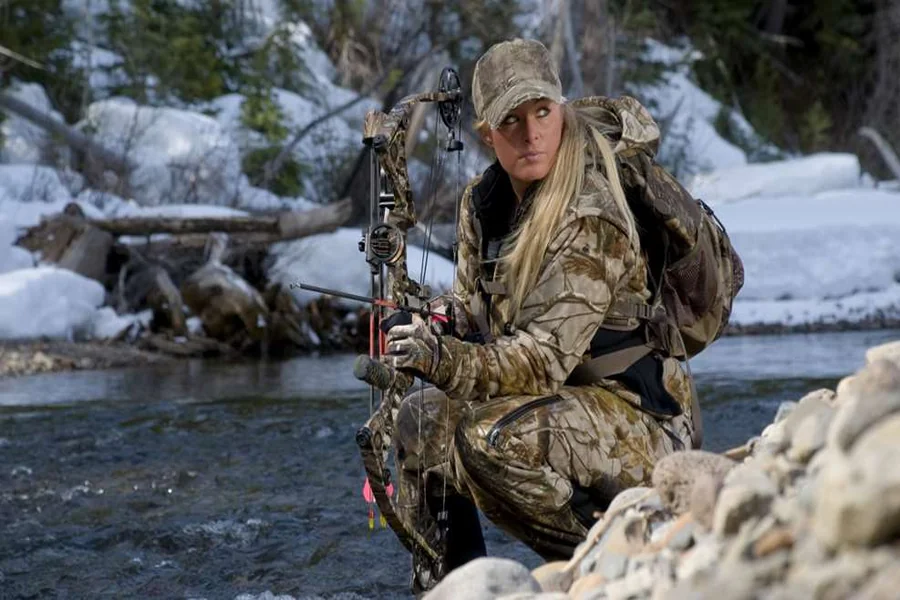
Heading out on a hunting trip is more than just a test of skill—it’s a test of preparation. Whether you’re a seasoned hunter or a beginner stepping into the wild for the first time, having the right gear can make all the difference. From safety tools to performance-enhancing equipment, every item you carry plays a role in ensuring your trip is both successful and secure.
1. Reliable Weapon and Ammunition
Your hunting weapon is the centerpiece of your gear. Whether you prefer a rifle, shotgun, or bow, it’s essential to ensure it’s well-maintained and suited for the type of game you’re pursuing. Always carry enough ammunition and double-check compatibility before heading out. If you’re bowhunting, make sure your arrows are in excellent condition and properly matched with your setup, including sharp broadheads for effective and humane shots.
2. Proper Clothing and Footwear
Dressing appropriately for the environment is crucial. Weather conditions can change quickly, so layering is key. Moisture-wicking base layers, insulating mid-layers, and waterproof outerwear help regulate body temperature and keep you comfortable.
Camouflage clothing also plays an important role in blending into your surroundings. Choose patterns that match the terrain you’ll be hunting in. Don’t forget sturdy, waterproof boots with good traction—your feet will thank you after long hours of walking or standing.
3. Navigation Tools
Getting lost in the wilderness can turn a hunting trip into a dangerous situation. Always carry reliable navigation tools such as a map, compass, or GPS device. Even if you’re familiar with the area, it’s wise to have backups in case technology fails.
Marking your route or campsite can also help you retrace your steps easily. Preparation in this area is not optional—it’s essential for safety.
4. First Aid Kit
Accidents can happen, even on routine trips. A well-stocked first aid kit should include bandages, antiseptic wipes, gauze, adhesive tape, pain relievers, and any personal medications. Tailor your kit to the length and nature of your trip.
Knowing how to use the items in your kit is just as important as having them. Basic first aid knowledge can make a significant difference in emergency situations.
5. Survival Gear
Even if you’re planning a short outing, it’s smart to prepare for unexpected overnight stays. Pack survival essentials such as a fire starter, emergency blanket, multi-tool, flashlight or headlamp, and extra batteries.
Carrying enough water or a portable filtration system is critical. Dehydration can quickly become a serious issue, especially in remote areas. High-energy snacks or compact meals are also a must to maintain your strength and focus.
6. Hunting Accessories
Small tools can have a big impact on your success. Items like binoculars help you spot game from a distance, while rangefinders improve accuracy. Calls and scents can attract animals, increasing your chances of a successful hunt.
A sturdy backpack is essential to organize and carry your gear efficiently. Look for one with multiple compartments, durability, and comfort for long treks.
7. Field Dressing Equipment
Once you’ve made a successful kill, proper field dressing is necessary to preserve the meat. Carry sharp knives, a bone saw, gloves, and game bags. Keeping your tools clean and ready ensures a smooth and hygienic process.
Planning ahead for this step prevents waste and helps you transport your harvest more efficiently.
8. Communication Devices
Staying connected can be lifesaving. A fully charged mobile phone is useful, but in remote areas, signal may be limited. Consider carrying a two-way radio or satellite communication device for reliable contact.
Always inform someone of your hunting location and expected return time. This simple step adds an extra layer of safety.
9. Licenses and Documentation
Before heading out, ensure you have all the necessary permits and licenses required by local regulations. Keeping these documents accessible avoids legal issues and demonstrates responsible hunting practices.
Understanding and following hunting laws also contributes to conservation efforts and sustainable wildlife management.
Final Thoughts
A successful hunting trip isn’t just about skill—it’s about preparation, awareness, and respect for the environment. Having the right essentials ensures you’re ready for whatever the wilderness throws your way.
By investing time in planning and packing wisely, you not only increase your chances of success but also prioritize your safety and the ethical standards of hunting. Whether it’s your first trip or your fiftieth, the right gear will always be your most reliable companion in the field.