
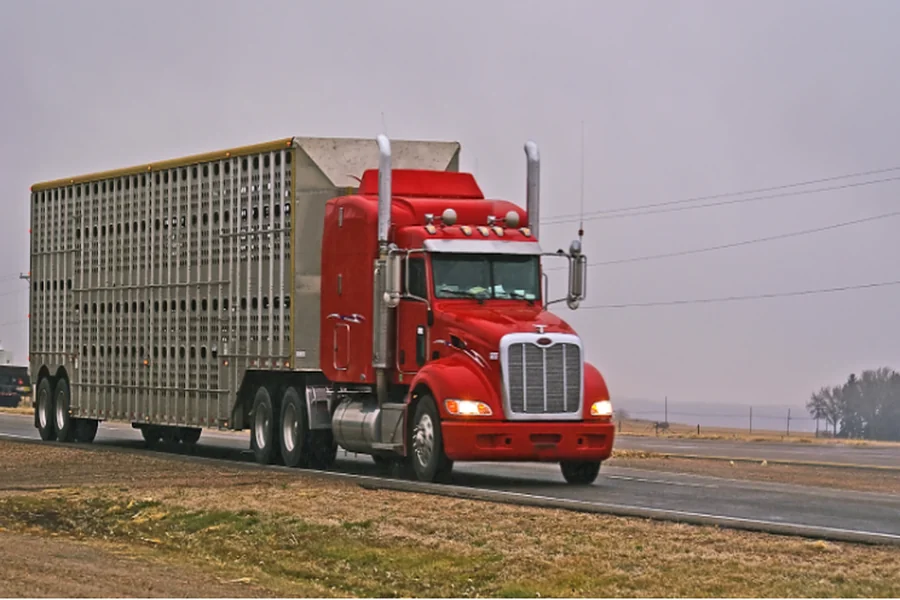
Here’s something most ranchers learn the hard way: hauling cattle isn’t just logistics. It’s about safeguarding what you’ve spent months raising, staying compliant with welfare regulations, and preventing injuries that tank your profit margins. Maybe you’re heading to auction, shuffling feeders between pastures, or delivering finished stock, whatever your route, your trailer choice shapes everything from animal stress to bruising rates to whether those cattle step off sale-ready or beaten up. Knowing which livestock trailers actually deliver versus which ones just talk a good game? That distinction saves you serious money in repair bills and lost animal quality down the road.
Before you dive into spec sheets or walk a lot hunting for a cattle trailer for sale, get crystal clear on your hauling patterns because the way you actually use this rig determines which features pay for themselves and which ones just eat your budget.
Buyer Goals That Determine the Best Livestock Trailer
Hauling use cases that change trailer specs
Quick ranch-to-pasture shuttles need vastly different capabilities than long highway runs to processing plants. Running regular sale barn routes with multiple stops? You’ll want fast-access gates and compartments that enable sorting without emptying the whole load. Here’s a reality check: research shows cattle were transported on average 245.3 km for a travel time of 2.9 h, averaging 36 animals per load. Most real hauling jobs aren’t quick trips down the road; they’re multi-hour highway journeys where ventilation quality, suspension performance, and brake reliability become genuine animal welfare concerns.
The class of cattle you’re moving matters tremendously. Calves demand gentler ramp angles and tighter floor slat spacing compared to mature bulls. Bred cows? They need thoughtful space allocation to stop dangerous piling situations.
Compliance and animal welfare expectations are built into the trailer
Stocking density standards, proper ventilation architecture, and slip-resistant flooring aren’t luxury add-ons; they’re baseline requirements that determine regulatory compliance and injury-free arrival. Consider this benchmark: area allotted per animal was 1.2 m² per animal. That gives you concrete planning data instead of just jamming in whatever the manufacturer’s maximum capacity claims. Build your “non-negotiable” list around adequate space per head, proven airflow design, and loading systems that don’t spook cattle before you spend a dime.
After you’ve mapped your real-world hauling conditions, it’s time to translate those scenarios into tangible trailer features that protect your cattle and keep you compliant on every single trip.
Trailer Construction Features That Signal Durability
Quality cattle trailers don’t just survive their first year; they maintain value and deliver reliable performance across decades when the construction quality matches the marketing promises.
Material choices for livestock trailers
Aluminum fights corrosion naturally and tows lighter, though it typically demands higher upfront investment. Steel construction usually runs cheaper initially, but requires aggressive maintenance in humid climates or anywhere you’re power-washing regularly. Match your material selection to your storage reality and cleaning routine. A sheltered, dry-stored steel trailer can actually outlive an aluminum unit sitting exposed to weather if you stay on top of rust prevention.
Frame and weld quality checks
When you’re evaluating a cattle trailer for sale, invest time examining crossmember spacing, gusset reinforcement at high-stress areas, and whether weld beads look consistent. Uniform, clean welds plus properly sealed seams indicate real craftsmanship. Warning signs? Rust developing at connection points, undisclosed patch repairs, and doors that won’t sit flush all signal the trailer’s been punished hard or built on the cheap.
Now that you understand your requirements, let’s dig into the construction quality markers that separate trailers you’ll treasure for twenty years from ones you’ll regret before your third season ends.
Safety and Animal-Handling Features of Cattle Trailers
Robust construction keeps your trailer from falling apart, but interior features determine whether cattle arrive calm, injury-free, and ready for market.
Flooring systems that reduce slips and stress
Treated lumber, aluminum with rubber mat overlay, and interlocking rubber platforms each bring advantages and trade-offs. What really matters? Traction combined with drainage cleats or raised traction bars stops slipping episodes, while smart drainage design prevents floors from turning into slick manure swamps. Check carefully for wood rot, loose mounting hardware, and mat edges that curl upward and hold moisture.
Interior design that prevents bruising
Consider this sobering data point: NBQA-2022 displayed the greatest incidence of carcass bruising (52.3%) recorded since the audits began. That proves preventing impacts isn’t some minor detail; it’s a fundamental value protection. Smooth interior wall surfaces, recessed mounting hardware, and rounded corner treatments all minimize the sharp-edge contacts that create bruises. Strategically positioned breast bars and emergency escape doors give handlers flexibility during chaotic loading situations without introducing new hazard points.
Ventilation engineered for heat and humidity
Side slat configurations, nose vent placement, and passive airflow engineering determine whether your trailer sheds heat effectively or transforms into a mobile oven. Hot climate operations demand airflow patterns that eliminate dead zones at the front and corner areas where heat and humidity build up dangerously. Cold-weather hauling needs adjustable ventilation that blocks excessive windchill without trapping ammonia buildup.
Even the most sophisticated interior safety features won’t matter if your cattle refuse to load peacefully or if you can’t unload them quickly when timing matters.
Ramp and Door Systems That Improve Load Speed
Rear ramp versus swing doors
Ramps minimize leg strain and encourage relaxed loading, particularly with anxious or younger animals. Swing door configurations enable faster exits and integrate better with elevated loading docks. Your choice should match your facilities’ ground-level loading, as uneven ranch terrain favors ramp designs, while sale barn compatibility might require door systems.
Door hardware built for ranch abuse
Industrial-grade hinges, slam latches with backup locking mechanisms, and protected hardware placement prevent accidental openings during transport. Accessible grease points and heavy-duty construction mean your gate systems will still operate smoothly after years of daily punishment.
Common Questions About Buying Livestock Trailers
-
What questions to ask when buying a trailer?
Dig into axle weight rating versus realistic payload capacity, flooring material and eventual replacement costs, brake system type and service schedules, compartment layout options for sorting flexibility, and whether the dealer offers load planning assistance. Confirm warranty coverage on structural elements and high-wear components like brake assemblies and wheel bearings.
-
Which flooring works best for livestock trailers?
Rubber mat systems over aluminum flooring deliver outstanding grip and simplified cleaning, though they can harbor moisture if maintenance lapses. Treated wood provides solid traction but demands regular rot inspections. Base your decision on wash-down frequency and regional climate, wetter environments favor materials that dry rapidly and resist decomposition.
-
Are cut gates worth the investment?
Absolutely yes, if you haul mixed cattle groups or make multiple delivery stops. Cut gates give you weight distribution control, enable separation by animal size, and allow partial unloading without creating total chaos. They’re essential equipment for commercial hauling operations and sale barn circuits where sorting flexibility saves hours and minimizes stress.
Final Thoughts on Choosing Your Cattle Hauling Rig
Buying livestock trailers that align with your actual operational needs means looking beyond factory-fresh paint jobs and zeroing in on the features of cattle trailers that prevent injuries, minimize stress, and withstand demanding conditions.
The best livestock trailer for your situation balances initial purchase price against lifetime value from durable construction methods, intelligent interior configurations, and components that keep cattle protected mile after mile. Don’t let an attractive price point seduce you into compromising on flooring quality, brake systems, ventilation engineering, or gate hardware. These are the features that determine whether your trailer becomes a trusted workhorse or an expensive mistake you’ll regret for years.