
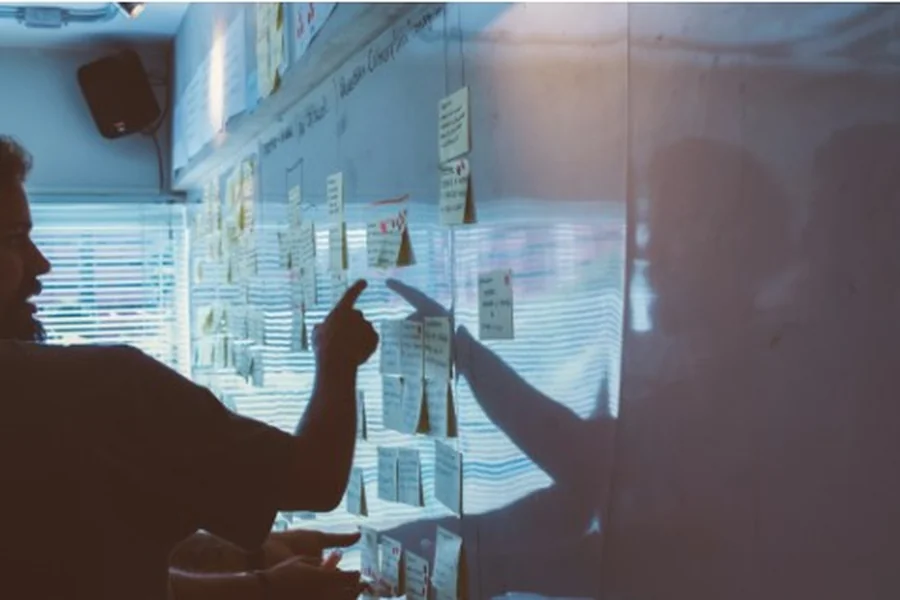
Every Monday, we hopefully write down long, neat to-do lists, seeking a brief surge of control. It looks perfect on paper, but reality quickly gets in the way. A meeting runs late, sleep was terrible, or your energy completely vanishes by noon. By evening, you have crossed off only two items, leaving you feeling like a failure.
The mistake is treating a daily list like an unbreakable contract. We falsely assume that missing a box means we lack discipline, turning our days into an anxious battle against the clock. True productivity should not feel like a punishment. Shifting from rigid scheduling to flexible planning allows you to organize your life around your actual energy, protecting your peace of mind while easily accommodating everyday chaos.
Why Strict Lists Crash Your Nervous System
When you force yourself to look at a massive, unorganized list of twenty different tasks, your brain does not see a helpful guide. Instead, its internal threat center looks at that never-ending mountain of work and interprets it as a dangerous emergency. This sudden overwhelm can trigger a physical freeze response, making you feel incredibly tired and desperate to avoid working entirely.
Rigid daily plans consistently fail because they are built on the false assumption that every single day will be completely perfect, completely ignoring sudden interruptions, family needs, or natural physical fatigue.
When we continuously fail to complete these unrealistic, heavy expectations, we get trapped in a damaging cycle of shame. We begin to view productivity as a source of emotional pain and stress rather than a positive part of our growth. For individuals who are already feeling burnt out, trying to force their way through a rigid list only deepens their internal exhaustion.
Some find that breaking their day down using digital tools or an app micro cycle method provides a much-needed sense of structure without the suffocating weight of an endless checklist. Without flexibility, your scheduling tools become weapons that you accidentally use to punish yourself for simply being human.
Planning by Energy, Not Just Time
The core secret to flexible planning is learning to organize your tasks around your real energy levels rather than just focusing on the hours on a clock. You can start by dividing your daily chores into three distinct energy zones. High Energy tasks are things that require deep focus, creativity, or difficult problem-solving. Medium Energy tasks include routine responsibilities like answering phone calls, attending standard meetings, or running errands. Low Energy tasks are simple, mindless activities such as sorting through your email inbox, filing digital papers, or tidying up your desk space.
Instead of blindly following a pre-written schedule when you sit down to work, take a brief moment to check in with your physical and mental state. Ask yourself how much fuel you actually have in your internal tank right now. If you wake up feeling bright and alert, tackle your high-energy tasks first. If you find yourself hitting a severe afternoon slump, shift your focus to your low-energy list.
Working in harmony with your body’s natural tide allows you to finish your chores much faster and with significantly less internal friction.
Simple Swaps to Make Your Plan Flexible
Making your daily planning more flexible does not mean abandoning your goals; it simply means changing your approach. You can start by implementing the simple rule of the top three. Look at everything you need to do and pick just three essential things that truly matter today. Treat everything else on your paper as a completely optional bonus. This simple shift ensures that you can finish your core work early, clearing away the guilt that usually ruins your evenings.
Another vital habit is building generous time buffers into your calendar. If you think a task will take thirty minutes, deliberately give yourself an hour to complete it. Leaving empty space in your day ensures that a single late meeting or an unexpected traffic jam will not ruin your entire schedule. Finally, try using the menu approach to organizing your work. Write your daily chores down like options on a restaurant menu. When a new hour begins, look at your choices and select the exact task that fits your specific mental appetite and energy level at that moment.
How Flexibility Helps You Get More Done
Giving yourself real choices throughout the day keeps your brain from getting overwhelmed and getting stuck in a procrastination freeze. When you feel trapped by a rigid schedule, your mind rebels. However, when you give yourself the freedom to choose your next step, you maintain a healthy sense of control.
Finishing a small, simple task that perfectly matches your current low energy keeps your momentum moving forward, preventing you from giving up entirely and wasting hours scrolling on your phone.
Furthermore, working with a calm, regulated mind naturally leads to much better results. When you stop forcing yourself to work through deep exhaustion, you make fewer mistakes and create higher quality work. Flexibility allows you to build a sustainable lifestyle where productivity feels natural, light, and deeply rewarding.
Your Worth Is Not Measured by Checked Boxes
A planning tool is meant to serve your actual life, not rule over it. You are a living human being whose energy naturally flows up and down, not a machine built for constant, unyielding output. True accomplishment is not about how many boxes you can cross off a piece of paper before you collapse at night; it is about building a sustainable rhythm that protects your mental health. By letting go of perfect, rigid lists and embracing flexible plans, you protect your inner peace and make space to truly enjoy your life’s journey.