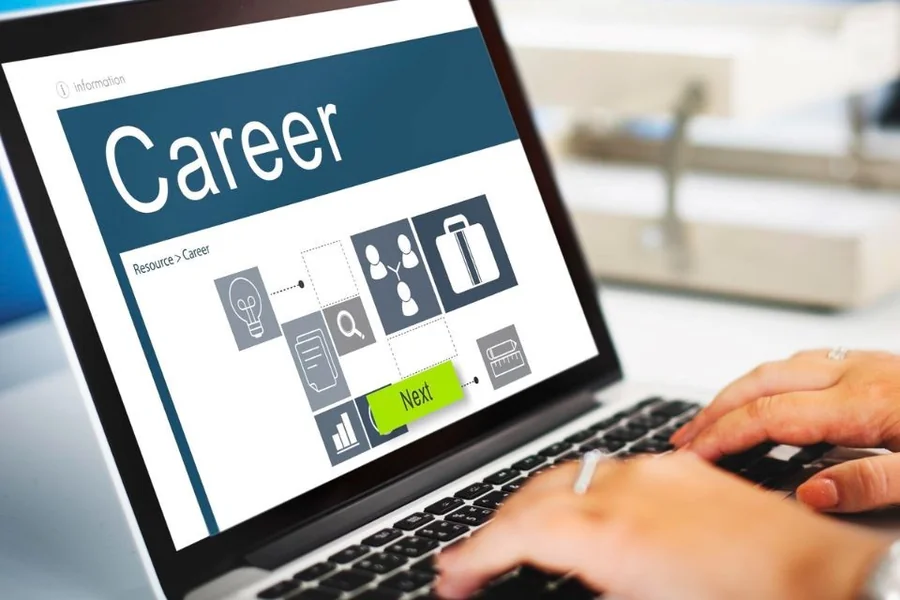
The modern job search is no longer just about resumes and cover letters. In today’s competitive landscape, standing out means leveraging the right digital tools to build your brand, connect with hiring managers, and prepare for every step of the journey — from application to interview follow-up. Fortunately, there are powerful, low-cost online tools designed to make job seekers look polished, prepared, and professional — even on a budget.
Here are some essential tools and strategies that can make your next job search faster, smarter, and more successful.
1. Jobscan: Tailor Your Resume with Precision
Sending the same resume to every job posting? That’s a mistake. Jobscan helps you tailor your resume to match specific job descriptions using real-time ATS (Applicant Tracking System) analysis. Paste your resume and the job listing into Jobscan, and it gives you a match score, showing exactly what keywords and skills are missing. This helps you optimize for the bots and the humans. It’s especially helpful for those applying in tech, marketing, or government roles where ATS filtering is intense. The basic plan is free, and premium plans are available if you’re submitting multiple applications weekly.
2. Teal: Your Personal Job Tracker + Toolkit
TealHQ offers one of the best all-in-one job search workspaces online. You can save job listings from sites like LinkedIn and Indeed, track your applications, and even rate companies based on alignment with your goals. Teal also helps you manage follow-ups and interview notes, and it includes a built-in resume builder. Its Chrome extension makes it incredibly convenient. If you’re applying to more than five jobs, this tool reduces chaos and keeps your strategy organized. The free plan is robust, and the paid version adds deeper insights and templates.
3. Zety: Polish Your Resume and Cover Letter Design
Zety is a resume and cover letter builder that offers modern templates, guided writing suggestions, and tips for tone and structure. For job seekers returning to the workforce or changing industries, the guidance built into the platform is especially helpful. Zety’s templates strike a balance between professional and creative, so you can match your style to your target industry — whether it’s corporate, creative, or startup culture. You can preview for free, and pay only when you download. That means you can experiment with different versions before committing.
4. Lusha: Find the Right Contact, Not Just a Job Posting
Lusha helps you connect directly with hiring managers or recruiters — not just send resumes into the void. It provides verified contact information (emails, LinkedIn, phone numbers) for professionals at thousands of companies. If you’re targeting companies proactively, Lusha is a game-changer. Many job seekers use it to follow up after applying or to make soft introductions via email. Be respectful and strategic — personalized outreach often wins over cold applications. The free tier includes a handful of credits each month to get you started. When meeting recruiters or hiring managers in person, having a mobilo business card can also make it easier to share your contact details and continue the conversation afterward.
5. Rezi: AI-Optimized Resumes Built for Recruiter Logic
Rezi builds resumes specifically designed to pass ATS filters while remaining readable and relevant. Unlike generic builders, Rezi uses AI to structure your resume based on best practices recruiters actually care about. It also includes grading tools and real-time editing suggestions. Bonus: You can toggle between standard and ATS-friendly formats based on where you’re applying. If you’ve been ghosted after applying, give Rezi a try — it may help your resume finally get seen.
6. Big Interview: Prep Smarter for Tough Questions
BigInterview is an interview training platform built by career coaches and hiring experts. It helps you prepare with industry-specific questions, answer structuring techniques, and video-based mock interviews. Job seekers can record themselves answering sample questions, then get feedback or compare to model responses. Whether you’re rusty or just anxious about behavioral questions, Big Interview makes practice feel purposeful. Many public libraries and career centers offer free access, or you can subscribe individually.
???? FAQ: Business Card Design Tips for Job Seekers
Even in a digital-first job market, a well-designed business card can leave a memorable impression — especially at networking events, job fairs, or after in-person interviews. Here’s how to make yours count:
Q1: Do job seekers still need business cards?
Yes — especially if you’re attending professional meetups, job fairs, or informational interviews. A business card gives you a quick, tangible way to be remembered. It also allows you to share your LinkedIn, portfolio, or personal website with just one handoff — no phone fumbling required.
Q2: What information should I include on my card?
Keep it clean and relevant. Include your full name, phone number, email, LinkedIn URL, and a job title or industry identifier (e.g., “Marketing Analyst | Content Strategist”). If you have a portfolio or personal website, that’s a great addition. Avoid clutter — white space equals professionalism.
Q3: How do I create a sleek business card if I don’t have design skills?
You can use Adobe Express to print business card designs easily. Their templates are user-friendly and customizable, even if you’ve never used a design tool before. Choose styles that reflect your industry — minimal for corporate, bold for creative.
Q4: Are there apps that let me share a digital business card too?
Yes. Services like HiHello and Blinq let you create a digital card that you can share via QR code, text, or email. This is especially helpful for virtual networking events or remote interviews where physical cards aren’t an option.
Q5: How do I ensure my card reflects my personal brand?
Choose fonts, colors, and layout that align with how you want to be perceived. If you’re in design or tech, go bold and modern. If you’re in finance or legal fields, aim for clean and classic. And always proofread — one typo can kill your credibility.
Job hunting is both digital and human. By using smart tools like these — and keeping your materials polished down to the business card — you can show employers you’re organized, serious, and ready to add value from day one.