
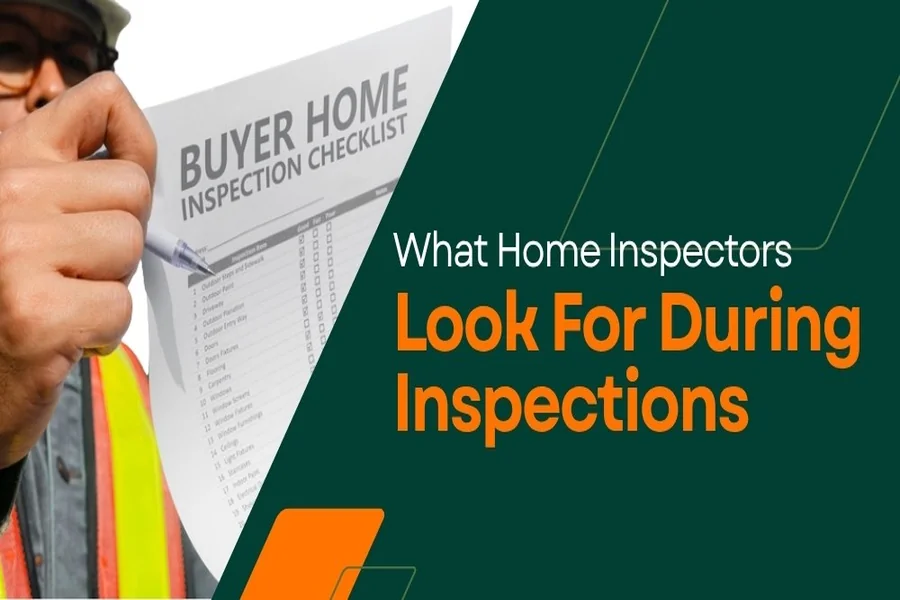
When you’re buying a home, it’s easy to get caught up in the excitement of location, layout, and style. However, beneath the surface, there may be hidden problems that could cost you thousands in the long run. It is where home inspections play a critical role.
Knowing precisely what home inspectors look for during inspections. When you understand the process, you reduce the risk of surprises and make smarter decisions about your investment. A thorough home inspection not only identifies issues but also provides peace of mind before you move forward with one of life’s biggest decisions.
Home Structures
The structure of a home is what holds everything together, quite literally. During an inspection, home inspectors focus on the overall stability and safety of the property. A solid foundation guarantees the home’s durability against both the passage of time and environmental factors. Below are the components that home inspectors typically review during structural checks:
- Foundation: Inspectors look for cracks, uneven settling, or signs of water damage that might indicate foundational instability.
- Roof: They evaluate the condition of the roofing material, ensuring there are no loose shingles, gaps, or signs of water intrusion.
- Walls: Inspectors check both interior and exterior walls for cracks or weaknesses that could compromise structural integrity.
- Basement and crawlspaces: Home inspectors also inspect these areas for moisture buildup, pests, and any drainage issues that could lead to structural damage.
Spotting issues early in these areas makes a huge difference. Structural problems are often costly to repair, so addressing them up front can save you from future stress. These are the reasons why this step is critical:
- It protects you from buying a home with safety risks.
- It helps in reducing the likelihood of expensive repairs later on.
- Saves you from foundation or roof failures.
- It guides negotiation by revealing needed fixes.
- Provides peace of mind for your investment.
Beyond evaluating the structure and roofing, a thorough inspection prioritizes the mechanical systems that define a home’s daily comfort and long-term utility. The HVAC system, in particular, requires a meticulous review of the furnace, condensing unit, and ductwork to identify any hidden inefficiencies or safety concerns. As you Learn more about the specific checklists used by professionals, it becomes clear that even minor issues with airflow or thermostat calibration can significantly impact future energy costs. Inspectors often note the age of these components to help prospective buyers anticipate when essential replacements might become necessary, ensuring there are no financial surprises regarding the property’s climate control capabilities after the keys change hands.
Major Systems
Beyond the structure, home inspectors focus heavily on a home’s essential systems. These determine daily comfort and are expensive to replace if overlooked. They pay close attention to the following:
- Plumbing systems: Home inspectors review pipes, drains, and water heaters for leaks, corrosion, or blockages that may cause damage or malfunctions.
- Electrical systems: Inspectors check the functionality of outlets, circuit breakers, and wiring to confirm they meet safety regulations and current standards.
- Heating and cooling systems: This includes evaluating the furnace, air conditioner, and ventilation for proper operation, identifying inconsistencies, and addressing inefficiencies. If you know you’ve been having HVAC related problems, it may be in your best interest to contact an emergency AC repair Birmingham service provider.
Finding problems in these systems is essential. These are the reasons why catching issues early is essential:
- Faulty wiring creates fire hazards.
- Water leaks in the plumbing system can result in mold growth and water damage.
- Heating or cooling problems affect comfort and costs.
- Timely fixes can prevent system failures.
- Knowing the system condition helps you budget maintenance.
If your home inspection reveals problems with your heating system, especially an aging or inefficient furnace, it’s important to address these issues promptly. Homeowners in the Cincinnati area dealing with furnace problems discovered during inspections can contact Logan Heating in Cincinnati for expert guidance on repair or replacement options. Taking care of heating system issues before closing on a home can save you from dealing with emergency repairs during cold winter months and help you negotiate better terms on your purchase.
Interior and Exterior Areas
A home inspection doesn’t stop at structure and systems. Philadelphia home inspectors also evaluate interior and exterior areas to ensure the entire property is in good condition. The following are interior elements that get inspected:
- Windows and doors checked for correct function and secure sealing.
- Insulation to assess energy efficiency.
- Ventilation systems to reduce moisture buildup.
- Floors, walls, and ceilings that are damaged or stained.
Moreover, the exterior inspection is equally important, since outside elements affect both function and appearance. Home inspectors look for problems in these areas:
- Siding and exterior walls: Inspectors look for cracks, rot, or damage that could lead to water intrusion. When inspectors identify deterioration in these areas, buyers often plan ahead for services like siding repair in Roswell GA to prevent moisture damage and preserve the home’s exterior integrity.
- Drainage and grading: Proper slope around the home prevents water from pooling near the foundation.
- Driveways and walkways: Home inspectors also check surfaces for cracks or unevenness that may create hazards or require repairs.
Common Issues Found
Every inspection turns up something, even in newer homes. The key is identifying issues before they turn into bigger problems. The following are the most frequent problems found:
- Roof leaks, missing shingles, or worn flashing are common problems that can lead to water damage.
- Outdated wiring or overloaded panels that may not meet current safety codes.
- Leaks, slow drains, or water pressure problems.
- Foundation cracks or settling signs.
- Poor drainage causing water pooling.
- Mold or moisture problems.
- HVAC systems that don’t work efficiently.
Being aware of these issues before closing allows you to make informed decisions. Instead of being caught off guard, you can use the information to protect your purchase. These are the reasons why:
- Negotiate to have repairs done or lower the price.
- Avoid surprises that could drain your budget.
- Decide whether to proceed with the purchase.
- Plan for necessary fixes to protect your investment.
- Gain peace of mind knowing the property’s condition.
In addition to structural and safety concerns, home inspectors also pay close attention to the HVAC systems. Ensuring that heating and cooling systems are functioning efficiently is crucial for maintaining a comfortable living environment. Inspectors will check for any signs of wear and tear, unusual noises, or leaks that could indicate potential issues. Regular maintenance and timely repairs can prevent costly replacements down the line. For homeowners looking to ensure their systems are in top condition, consulting experts like Beaver Heating & Air Inc. can provide peace of mind. Their expertise can help identify and address any underlying problems, ensuring that your home remains a haven of comfort throughout the year.
Confidence Through Inspection
Home inspections are more than a formality—they’re a safeguard for one of your biggest investments. By knowing what home inspectors look for during inspections, you gain insight into the property’s structure, systems, interior, and exterior. This knowledge protects you from surprises and helps you plan for the future.
Understanding these checks also helps you see why they’re essential to the buying process. From spotting roof leaks to identifying faulty wiring, home inspections give you a clear picture of a home’s actual condition.
Beyond the visible structural elements, a home inspector will thoroughly evaluate the heating, ventilation, and air conditioning systems to ensure they operate efficiently and safely. This involves checking the furnace, heat pump, and thermostat settings for any signs of aging or mechanical failure. If a property is located in a region with fluctuating seasonal temperatures, identifying a reliable professional for heater repair orlando becomes a standard recommendation when units show signs of wear or inadequate airflow. Inspectors also examine the ductwork for leaks and verify that the electrical connections to these units meet current building codes. Addressing these mechanical concerns early prevents unexpected breakdowns and helps maintain a comfortable living environment for the future homeowners.