
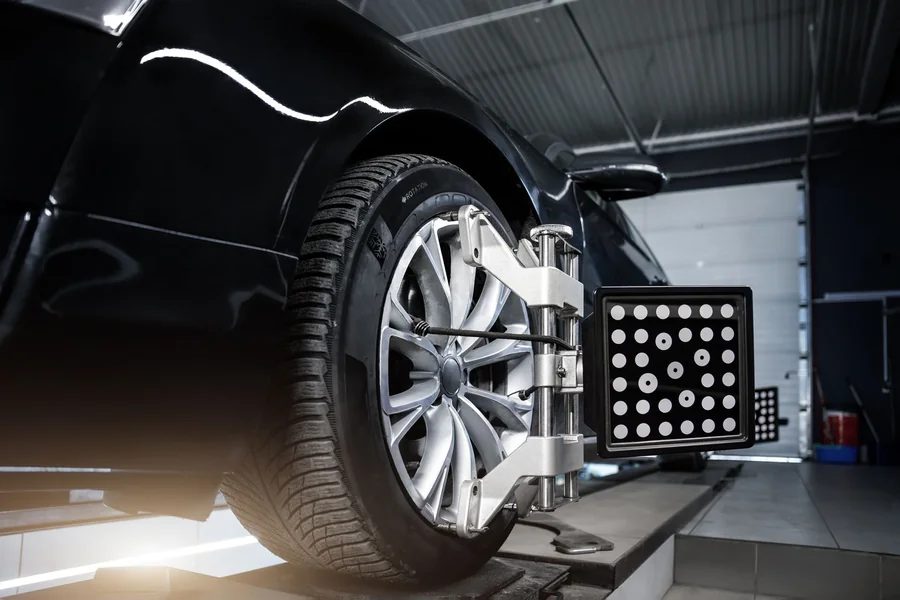
Bad wheel alignment is a common suspension issue that affects how your vehicle handles, how your tires wear, and how safely your car drives. wheel alignment Houston refers to the angles of your wheels’ camber, caster, and toe, which must be set to manufacturer specifications so all four tires make proper contact with the road. When alignment is off, even slightly, it can lead to uneven tire wear, poor steering response, and reduced vehicle stability. Understanding what causes bad wheel alignment helps drivers prevent premature tire damage and costly suspension repairs.
What Is Wheel Alignment
Wheel alignment ensures that your tires are positioned correctly relative to the road and each other. Proper alignment allows for:
- Straight-line tracking
- Even tire wear
- Stable steering and handling
- Better fuel efficiency
When alignment angles shift, the vehicle may pull, vibrate, or feel unstable, clear indicators of bad wheel alignment that should be checked at a trusted auto repair Houston shop.
Signs of Bad Wheel Alignment
Recognizing Signs of bad wheel alignment early helps prevent tire damage and steering problems. Common symptoms include:
- Vehicle pulling left or right while driving straight
- Uneven or rapid tire wear
- Crooked steering wheel when driving straight
- Loose, wandering, or unstable steering
- Squealing tires during turns
Ignoring these Signs of bad wheel alignment can lead to shortened tire life and increased stress on suspension and steering components
Causes of Bad Wheel Alignment
Several factors can knock your wheels out of alignment. Some happen suddenly, while others develop gradually over time. Recognizing these causes helps drivers prevent uneven tire wear, poor handling, and safety issues.
Potholes and Road Hazards
Hitting potholes, road debris, speed bumps, or uneven pavement at speed is one of the most common answers to what causes bad wheel alignment. These impacts can bend suspension components or shift alignment angles instantly. Repeated exposure to poor road conditions accelerates wear on tires and steering components.
Curb Impacts
Even minor curb strikes while parking can alter wheel angles. Repeated curb contact slowly increases the risk of bad wheel alignment, especially on the front wheels. Over time, these impacts can lead to uneven tire wear and affect vehicle stability.
Worn Suspension Components
Ball joints, control arms, bushings, and tie rods wear out over time. As these parts loosen, wheel positioning changes, leading to alignment issues. Worn suspension components are a major factor when diagnosing what causes bad wheel alignment in older vehicles and can cause handling problems if ignored.
Vehicle Accidents or Collisions
Even low-speed collisions can bend steering or suspension parts. After an accident, bad wheel alignment is extremely common and often requires professional correction. Untreated post-collision misalignment can worsen over time, causing uneven tire wear and poor vehicle control.
Improper Vehicle Modifications
Installing lowering kits, lift kits, or oversized wheels without proper alignment adjustment can alter factory suspension geometry. This is a frequent but overlooked factor in what causes bad wheel alignment. Correcting alignment after modifications ensures safe handling and prevents premature tire damage.
Normal Wear Over Time
Alignment gradually shifts due to everyday driving, especially on rough roads. This slow change often goes unnoticed until clear signs of bad wheel alignment appear. Regular inspections and timely adjustments help maintain steering stability and tire longevity.
Why Driving With Bad Alignment Is Risky
Driving with bad wheel alignment affects more than just tires. Misaligned wheels increase rolling resistance, forcing the engine to work harder. This leads to:
- Reduced fuel efficiency
- Premature tire replacement
- Increased steering and suspension wear
- Reduced braking stability
- Poor vehicle control in emergencies
Over time, unresolved alignment issues can turn into expensive suspension repairs.
How Often Should You Get a Wheel Alignment
Even if no symptoms are present, wheel alignment should be checked:
- Every 12,000 miles or once a year
- After hitting a pothole or curb
- After suspension or steering repairs
- When installing new tires
- After an accident or collision
Regular inspections reduce the chances of developing bad wheel alignment and extend tire life. For drivers in Houston, scheduling these checks with Eric’s Car Care ensures your alignment is accurate and your tires and suspension stay in top condition.
Key Takeaways
- Bad wheel alignment affects handling, tire wear, and vehicle safety
- Road impacts, worn suspension parts, and accidents are the most common causes
- Recognizing Signs of bad wheel alignment early prevents expensive repairs
- Understanding what causes bad wheel alignment helps drivers take preventive action
- Regular alignment checks protect tires, suspension, and overall driving performance