
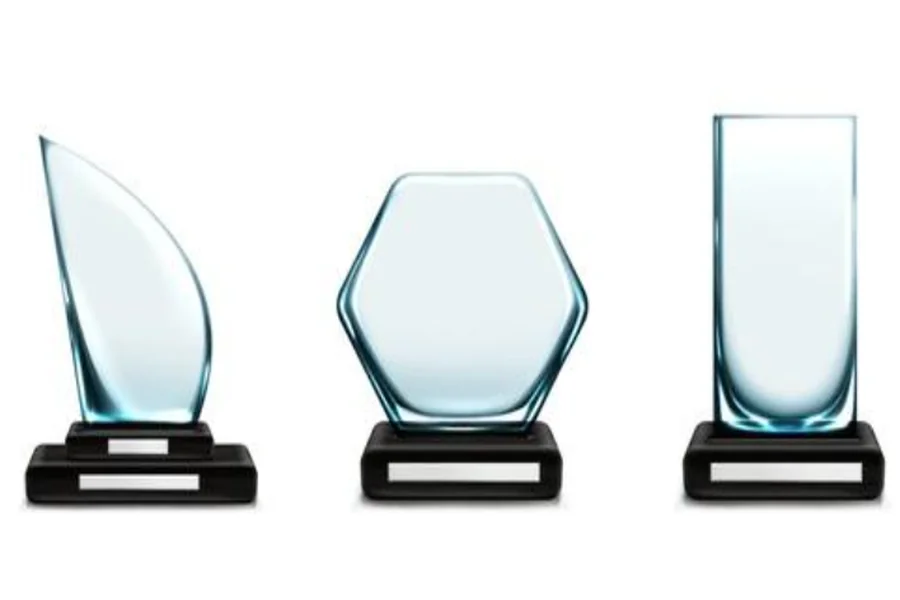
Different types of glass are used in glass awards to create different levels of clarity, durability, and visual style. Common materials include crystal glass, optical glass, jade glass, and Starfire glass, each offering unique qualities for recognition pieces.
Many organizations choose glass awards because these materials allow precise engraving and a polished appearance. The type of glass used often determines how the award reflects light, how clear the engraving appears, and how durable the piece will be.
Understanding these glass types helps organizations select awards that match the importance of the recognition and the design they want to present.
Why the Type of Glass Matters in Awards
The material used in an award affects both appearance and durability. Some types of glass are clearer and heavier, while others are lighter and more affordable.
The choice of glass also affects engraving quality. Certain materials allow sharper engraving and better detail for logos, names, and recognition messages.
Another factor is strength. Some glass types resist scratches and chips better, which helps the award maintain its appearance over time.
Crystal Glass
Crystal is one of the most popular materials used in recognition awards. It is known for its clarity and ability to reflect light beautifully.
Crystal awards often appear brighter and more polished than regular glass. This makes them a common choice for corporate recognition and leadership awards.
Another advantage is engraving precision. Crystal surfaces allow detailed etching, making text and logos look sharp and professional.
Optical Glass
Optical glass is a high-quality material known for its exceptional clarity. It is often used in premium awards and high-end recognition programs.
This type of glass contains very few impurities. As a result, it produces a clear and almost flawless appearance.
Optical glass is also heavier than standard glass. That added weight often gives the award a more substantial and prestigious feel.
Jade Glass
Jade glass is widely used in many modern awards. Despite its name, it is not related to the gemstone jade.
This material has a slight green tint along the edges. When viewed from the front, it still appears clear.
Many organizations choose jade glass because it offers a balance between cost and appearance. It works well for both corporate and academic recognition programs.
Starfire Glass Awards
Starfire glass is another popular option for recognition awards. It is similar to jade glass but does not have the green edge tint.
This glass is produced with reduced iron content. The result is a clearer and more color-neutral appearance.
Because of this clarity, Starfire glass often provides a clean background for engraved designs. Logos and text appear sharper and easier to read.
Cast Glass Awards
Cast glass awards are made using a molding process. The molten glass is poured into molds to create artistic shapes and textures.
This method allows designers to create unique styles that cannot be achieved with flat glass panels. As a result, cast glass awards often look more artistic and decorative.
However, cast glass may not always have the same clarity as optical glass or crystal. The focus is usually on design rather than perfect transparency.
Comparing Common Glass Types Used in Awards
Different types of glass serve different purposes. Understanding the differences can help organizations choose the right option.
Crystal vs. standard glass
- Crystal provides higher clarity and a brighter appearance.
- Standard glass is more affordable but less refined.
Optical glass vs. jade glass
- Optical glass offers superior clarity and weight.
- Jade glass is more economical and widely available.
Starfire glass vs. jade glass
- Starfire glass removes the green edge tint.
- Jade glass has a subtle green edge but remains clear from the front.
Each type of glass offers a slightly different look. The right choice often depends on the level of recognition and the design of the award.
Steps to Take When Choosing the Right Glass Award
Selecting the right award material involves a few practical considerations.
- Identify the level of recognition or achievement.
- Choose a glass type that fits the event and budget.
- Consider the clarity and engraving quality required.
- Review design options that suit the award’s purpose.
- Confirm the durability if the award will be displayed long-term.
These steps help organizations select awards that match both their recognition goals and design preferences.
Why Glass Awards Remain a Popular Choice
Glass awards continue to be widely used in professional recognition programs. They combine elegance, durability, and versatility.
Unlike some trophies, glass awards often fit well in offices, conference rooms, or display cabinets. Their clean design makes them suitable for many types of recognition.
Another advantage is customization. Glass surfaces allow detailed engraving, which helps organizations include meaningful messages and branding.
Key Takeaways
- Different types of glass affect the appearance and durability of awards.
- Crystal and optical glass provide the highest clarity and premium feel.
- Jade glass is a common option because it balances cost and appearance.
- Starfire glass removes the green tint seen in some glass materials.
- Cast glass awards allow creative and artistic designs.
- The choice of glass should match the level of recognition and design needs.