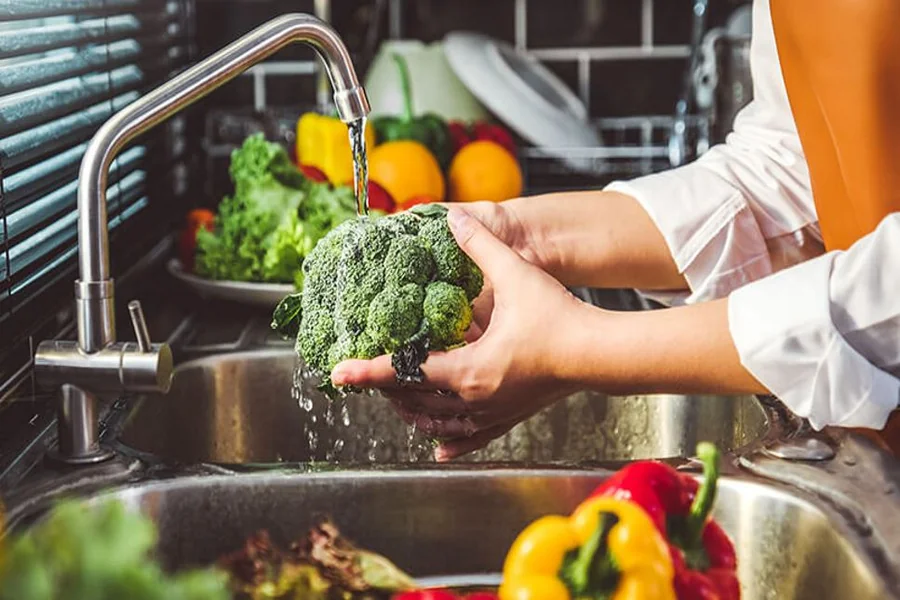

Food connects people, cultures, and environments. Every ingredient we choose carries a story—from how it’s grown to how it’s shared. Cooking with purpose means understanding that what nourishes our bodies can also sustain the world around us. It’s about making conscious choices that promote health, reduce waste, and respect the environment. Whether it’s selecting local produce, reducing food miles, or supporting ethical farming practices, purposeful cooking allows us to enjoy meals that feed more than just hunger—they feed a better future.
Redefining the Modern Kitchen
Today’s kitchen has evolved beyond a space for cooking; it’s where sustainability meets creativity. More people are seeking balance between flavor, wellness, and environmental responsibility. This shift is reshaping how we view ingredients—not just for their nutritional value, but for their origin, impact, and integrity.
Purposeful cooking encourages curiosity: Where was this food grown? How was it harvested? What effect does it have on ecosystems and communities? These questions inspire mindful habits that turn ordinary meals into acts of stewardship. Each ingredient becomes a vote for healthier living and a healthier planet.
The Power of Mindful Sourcing
Choosing the right ingredients starts with awareness. Local and seasonal produce often provides the most nutrients while minimizing environmental strain. Buying from nearby farms supports local economies, reduces transportation emissions, and ensures freshness. Seasonal foods are naturally aligned with our bodies’ needs—cooling fruits in summer, hearty root vegetables in winter.
Meanwhile, sustainable animal products—like pasture-raised meats or free-range eggs—reflect respect for both nutrition and ethics. Supporting farms that prioritize animal welfare helps maintain biodiversity and improve soil quality. These decisions elevate cooking into something greater than convenience—it becomes an intentional act of responsibility.
Nutritional Awareness Meets Environmental Ethics
A nourishing diet and a sustainable diet often overlap. Whole, minimally processed foods deliver superior nutrition while generating less waste. Reducing reliance on highly processed ingredients or imported products lowers the carbon footprint of each meal.
This mindset extends beyond food sourcing. It’s also about embracing efficient kitchen practices—using energy-conscious appliances, storing food properly, and composting scraps. These habits conserve resources and encourage a sense of accountability for what we consume. Cooking becomes a form of participation in the broader movement toward environmental well-being.
The Role of Quality and Integrity
True nourishment begins with quality. Ingredients raised or grown with care retain more flavor and nutrients. Freshly picked herbs, naturally ripened fruits, and humanely raised proteins bring authenticity to every dish. The more connected we are to where our food comes from, the more likely we are to appreciate it—and waste less of it.
This principle mirrors larger systems that prioritize accountability and improvement. For example, industries focused on safety and reliability, such as those involved in organizational safety consulting, emphasize consistency, responsibility, and continuous refinement. In the kitchen, those same principles apply: thoughtful sourcing, careful preparation, and mindful consumption ensure quality and sustainability. Just as organizations thrive on safety culture, individuals thrive when their daily choices reflect awareness and purpose.
Cooking with Local Impact
Cooking locally sourced meals fosters a sense of connection to community. Farmers’ markets and community-supported agriculture (CSA) programs make it easy to discover what’s in season while supporting small growers. Local producers often grow crops using regenerative methods that restore the soil, conserve water, and reduce the need for synthetic chemicals.
Beyond environmental benefits, local food simply tastes better. Shorter supply chains mean fresher produce that retains its nutrients and flavor. Sharing meals made with regional ingredients also celebrates the unique character of an area—its climate, culture, and culinary heritage.
Plant-Forward Eating for People and Planet
Shifting toward plant-forward meals doesn’t mean giving up meat entirely—it means celebrating plants as the foundation of the plate. Vegetables, legumes, whole grains, and fruits provide essential vitamins, minerals, and fiber, while also requiring fewer resources to produce.
Incorporating more plant-based dishes reduces water use, greenhouse gas emissions, and deforestation associated with livestock farming. Even small steps—like replacing one meat-based meal per week with a lentil stew or roasted vegetable bowl—make a measurable impact. For home cooks, it’s an opportunity to explore new textures, flavors, and global cuisines centered on plants.
Reducing Food Waste Through Creativity
Food waste is one of the most overlooked contributors to climate change. Up to one-third of food produced globally never gets eaten, yet millions face food insecurity. Purposeful cooking means valuing ingredients from start to finish. Learning to store food properly, repurpose leftovers, and use every edible part of produce helps reduce waste dramatically.
Simple practices like turning vegetable peels into broth, overripe fruit into smoothies, or stale bread into croutons can save money while reducing waste. Composting inedible scraps returns nutrients to the soil, completing the cycle of sustainability. These small acts align home kitchens with the same circular mindset driving global sustainability efforts.
The Emotional Connection to Food
Cooking with purpose isn’t only about environmental and nutritional goals—it’s deeply emotional. Preparing a meal from thoughtfully chosen ingredients fosters mindfulness and gratitude. When we slow down to chop, simmer, and season, we reconnect with the process rather than just the product.
Sharing these meals enhances the sense of connection, transforming dining into a communal act of care. Whether it’s preparing soup for a neighbor or hosting a local produce dinner, food becomes a medium for empathy, belonging, and positive change.
Teaching the Next Generation
Instilling purposeful cooking habits in children helps shape a more sustainable future. Teaching kids where food comes from, how to read labels, and why local choices matter cultivates lifelong awareness. Involving them in meal preparation makes healthy eating fun while reinforcing respect for ingredients.
School and community programs that integrate nutrition and sustainability education can amplify this effect. When young people understand the link between diet, environment, and well-being, they grow into adults who value responsibility in both consumption and production.
The Intersection of Technology and Sustainability
Technology plays an increasingly supportive role in conscious cooking. Apps that track food waste, meal-planning tools that promote local sourcing, and smart appliances designed for energy efficiency all help make sustainability more accessible.
Beyond the home, innovation in agriculture—such as hydroponics, vertical farming, and renewable energy integration—is redefining how food is grown and distributed. These developments ensure that responsible eating doesn’t rely on sacrifice but on smarter systems that empower both producers and consumers.
A Return to Authenticity
In many ways, cooking with purpose is a return to older wisdom. Before industrialization, meals were inherently seasonal, local, and waste-free. Reviving those traditions in a modern context blends heritage with innovation. It reminds us that sustainability isn’t a new concept—it’s a rediscovery of mindful living.
Choosing authentic ingredients and preparing them with care not only nourishes our bodies but also preserves culture and craftsmanship. From homemade sauces to hand-kneaded bread, the effort invested in cooking reflects a respect for time, ingredients, and the people who share the meal.
Conclusion
Cooking with purpose transforms eating from a routine into a conscious act of nourishment—for ourselves, our communities, and the planet. Every ingredient we choose and every meal we prepare is an opportunity to make a difference. By embracing mindful sourcing, reducing waste, and appreciating the story behind our food, we build a kitchen culture rooted in care, balance, and respect.
When we cook with intention, we align our values with our plates. The result is a lifestyle that celebrates health, sustainability, and connection—a true recipe for fulfillment that benefits both people and the planet we call home, insights often shared by experts at mrs netta and charles.