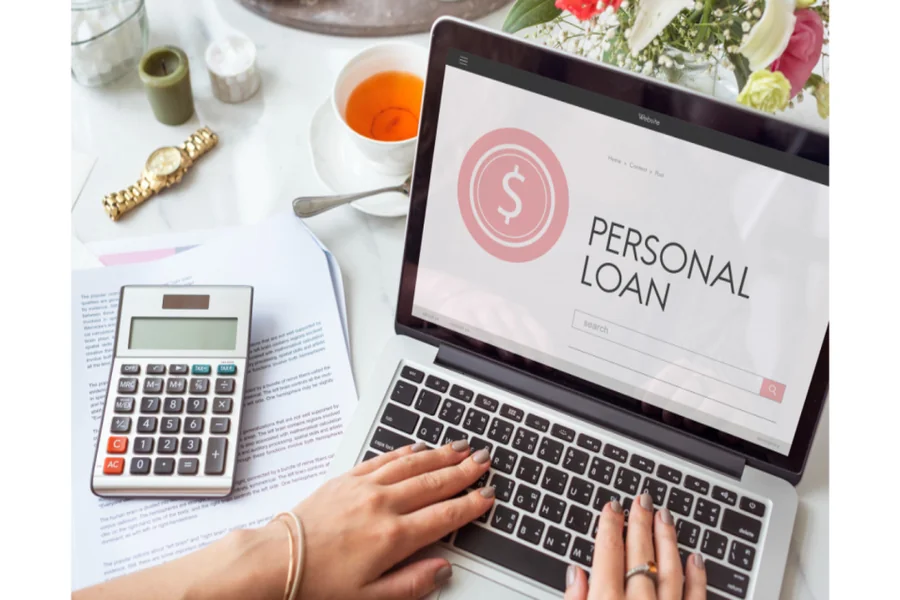
When you are juggling several debts at once, keeping track of due dates, interest rates, and minimum payments can feel overwhelming. Many people turn to consolidation strategies to regain control, and one practical tool for doing so is a personal loan. Using a personal loan to streamline multiple obligations can reduce stress and create a more predictable financial path. As more borrowers explore personal loan debt relief as an option, it becomes clear that the structure of one fixed monthly payment can make a meaningful difference in how confidently someone navigates their repayment journey.
A personal loan can also offer a psychological boost. Instead of watching several balances grow at different rates, borrowers see progress unfold in one place. This sense of consolidation often makes the overall experience feel less chaotic and more manageable. Personal loans are not a one size fits all solution, but when used intentionally, they provide a way to simplify debt and sometimes even reduce total interest paid over time.
The key is understanding whether a personal loan aligns with your financial situation. Interest rates, loan terms, and eligibility requirements determine how effective the strategy will be. Borrowers who take time to evaluate these factors tend to get better results, avoid unnecessary costs, and maintain forward momentum.
How Personal Loans Offer Structure and Stability
A major benefit of using a personal loan for debt relief is the stability it provides. Unlike credit cards with variable rates, most personal loans come with fixed interest rates and predictable monthly payments. This consistency helps borrowers plan their budgets more effectively.
Borrowers frequently cite stability as one of the primary reasons they choose personal loans over less predictable repayment structures. With a clear end date and steady payments, it becomes easier to visualize progress and maintain discipline.
According to guidance from the Consumer Financial Protection Bureau, fixed rate installment loans like personal loans can help borrowers build financial habits that reduce long term debt stress. You can explore their insights here: CFPB information on personal loans.
Reducing Interest Costs Through Consolidation
One of the most appealing aspects of using a personal loan is the potential to reduce interest expenses. Many credit cards carry high annual percentage rates that can make repayment seem endless. Personal loans, by comparison, may offer significantly lower rates depending on your credit profile.
When the new rate is lower than the average rate on your existing debts, the total repayment cost decreases. This means more of each monthly payment goes toward the principal rather than interest, accelerating your progress.
Borrowers should compare offers carefully before deciding to consolidate. Looking at the total cost over the life of both the original debt and the new loan is essential. In many cases, even a slightly lower interest rate can yield substantial savings when applied to a large balance over time.
Creating a Streamlined Repayment Plan
A personal loan replaces multiple payments with a single obligation. This is helpful for people who struggle to organize and schedule several monthly bills. It is also useful for individuals who want to avoid missed payments, which can harm credit scores and trigger penalty interest rates.
With everything rolled into one loan, it becomes easier to track progress. Many borrowers appreciate the simplicity and the reduction in administrative stress.
For borrowers who want to estimate repayment timelines, interest savings, or monthly payment changes, the Federal Trade Commission provides helpful educational tools for understanding loan options: FTC guidance on loans and debt.
The Psychological Advantage of Simplifying Debt
Debt is more than a financial burden. It affects emotions, motivation, and confidence. Personal loans help many borrowers regain a sense of control by converting several unpredictable payments into one clear plan.
This psychological shift can make a significant difference. When people feel organized and empowered, they tend to stay engaged, avoid missed payments, and reduce reliance on credit cards.
Some borrowers also find that the act of refinancing serves as a fresh start. By moving scattered credit card balances into a structured loan, they close a chapter of reactive borrowing and begin a more intentional financial phase.
When a Personal Loan Is a Good Fit
A personal loan can be an effective strategy when:
- Your credit score qualifies you for a lower interest rate
• You have several high interest debts that are difficult to track
• You want the discipline of fixed payments
• You prefer a set repayment timeline rather than open ended credit lines
Borrowers who meet these criteria often experience both financial and emotional benefits from consolidation.
However, personal loans are not ideal for everyone. If your credit score is low, the offered rates may be too high to make consolidation worthwhile. In that case, exploring credit counseling or debt management programs may be a better option.
Potential Risks to Consider
Although personal loans can be powerful tools, they also come with risks if not used carefully.
- If the interest rate is not significantly lower, the loan may not save you money
• Extending the repayment term can reduce monthly payments but increase the total cost
• Some borrowers accumulate new debt after consolidating, creating a larger financial problem
It is essential to commit to responsible financial habits after consolidating. The goal is not just restructuring debt but gradually eliminating it.
How to Apply Successfully
When seeking a personal loan for debt relief:
- Check your credit score to understand your likely rates
- Compare offers from multiple lenders
- Review fees, including origination or prepayment penalties
- Calculate total repayment costs
- Use the loan only for paying off existing debts
Taking these steps helps ensure that you enter the consolidation process with clarity and confidence.
Final Thoughts
When used responsibly, personal loans can offer structure, savings, and emotional relief during a challenging financial period. They allow borrowers to replace scattered debt with one focused repayment plan, creating a more organized and manageable path forward. By understanding loan terms, comparing options, and committing to a clear repayment strategy, anyone considering this approach can make informed decisions that support long term financial health.