
Hashimoto’s thyroiditis, the leading cause of hypothyroidism in the U.S., affects millions, especially women. This autoimmune disorder causes the immune system to attack the thyroid gland, a butterfly-shaped gland in the neck that regulates metabolism, heart rate, and body temperature.
What Causes Hashimoto’s Thyroiditis?
The exact cause of Hashimoto’s thyroiditis remains unknown, but researchers believe it results from a combination of genetic predisposition and environmental triggers. As an autoimmune disease, the core issue is the immune system’s malfunction, where it produces antibodies that attack the thyroid gland.
Genetic Factors
A family history of Hashimoto’s or other autoimmune diseases significantly increases your risk. If a close relative has an autoimmune condition like rheumatoid arthritis, type 1 diabetes, or celiac disease, you may be more susceptible. Specific genes have been identified that make individuals more likely to develop autoimmune disorders, including Hashimoto’s.
Environmental Triggers
While genetics may set the stage, environmental factors often act as the trigger that initiates the autoimmune response. Potential triggers include:
- Infections: Certain viral or bacterial infections, such as Epstein-Barr virus, hepatitis C, and H. pylori, have been linked to the onset of autoimmune diseases.
- Excessive Iodine Intake: High levels of iodine, found in some medications (like amiodarone), seaweed, and supplements, can trigger thyroid dysfunction in susceptible individuals.
- Radiation Exposure: Exposure to environmental radiation, including radiation therapy for cancers in the head and neck area, is a known risk factor for various thyroid problems.
- Stress: Chronic physical or emotional stress can impact the immune system and may contribute to the development of autoimmune conditions.
Other Risk Factors
Several other factors can increase your likelihood of developing Hashimoto’s:
- Sex: Women are about eight times more likely than men to develop Hashimoto’s thyroiditis.
- Age: The condition most often appears in middle age, typically between 30 and 50, though it can occur at any age.
- Other Autoimmune Diseases: Having another autoimmune disorder increases your risk of developing Hashimoto’s.
Common Symptoms and Progression of Hashimoto’s
The progression of Hashimoto’s thyroiditis is often slow and gradual. In the early stages, you might not notice any symptoms at all. As the disease advances, the chronic inflammation causes a slow decline in thyroid hormone production, leading to hypothyroidism.
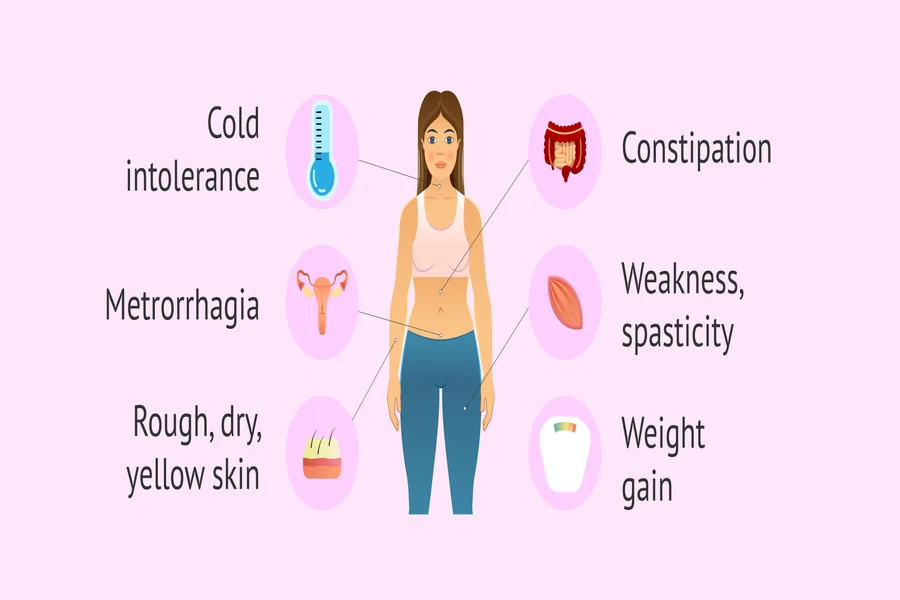
The symptoms of an underactive thyroid can be vague and are often attributed to aging or stress, which can delay diagnosis. Common signs include:
- Fatigue and Sluggishness: One of the most prevalent symptoms is persistent, debilitating fatigue that isn’t relieved by rest.
- Weight Gain: Unexplained weight gain, or difficulty losing weight despite diet and exercise, is common due to a slowed metabolism.
- Sensitivity to Cold: Feeling cold when others are comfortable is a classic sign of hypothyroidism.
- Muscle and Joint Pain: Aches, tenderness, and stiffness in the muscles and joints can occur.
- Dry Skin and Brittle Nails: Skin may become dry and pale, and nails can become brittle and break easily.
- Hair Loss: Thinning hair or significant hair loss is a frequent complaint.
- Constipation: A slowed metabolism can affect the digestive system, leading to constipation.
- Depression and Mood Swings: Thyroid hormones play a role in brain chemistry, and low levels can lead to depression, irritability, and “brain fog.”
- Enlarged Thyroid (Goiter): The thyroid gland may become enlarged, causing a visible swelling in the neck, which can lead to a feeling of fullness or difficulty swallowing.
In some cases, the initial damage to the thyroid can cause a temporary release of excess thyroid hormone into the bloodstream, a condition known as hashitoxicosis. This can cause brief symptoms of hyperthyroidism (overactive thyroid), such as anxiety, heart palpitations, and weight loss, before the gland becomes underactive.
How Is Hashimoto’s Diagnosed?
If you experience symptoms suggestive of Hashimoto’s, your doctor will likely order a series of blood tests to confirm the diagnosis. A physical exam, where your doctor checks for an enlarged thyroid (goiter), is also a standard part of the evaluation.
Thyroid Function Tests
These tests measure the levels of thyroid hormones in your blood:
- TSH (Thyroid-Stimulating Hormone): TSH is produced by the pituitary gland and tells the thyroid to make hormones. A high TSH level is often the first sign of hypothyroidism, as the pituitary gland works harder to stimulate a failing thyroid.
- Free T4 (Thyroxine): T4 is the main hormone produced by the thyroid. A low level of free T4, combined with a high TSH, confirms a diagnosis of hypothyroidism.
Antibody Tests
To determine if an autoimmune process is the cause of hypothyroidism, your doctor will test for thyroid antibodies:
- Thyroid Peroxidase (TPO) Antibodies: These antibodies are present in about 90% of people with Hashimoto’s thyroiditis. Their presence confirms that the immune system is attacking the thyroid gland.
- Thyroglobulin Antibodies (TgAb): These may also be elevated in Hashimoto’s.
The presence of TPO antibodies is the hallmark of Hashimoto’s. It’s possible to have these antibodies even with normal thyroid function, which indicates an increased risk of developing hypothyroidism in the future.
Conclusion
Hashimoto’s thyroiditis is a chronic condition, but with proper diagnosis and consistent treatment, its symptoms can be effectively managed, allowing you to lead a healthy and active life. The key is to pay attention to your body’s signals and seek medical advice if you notice persistent symptoms like fatigue, weight gain, or mood changes.