
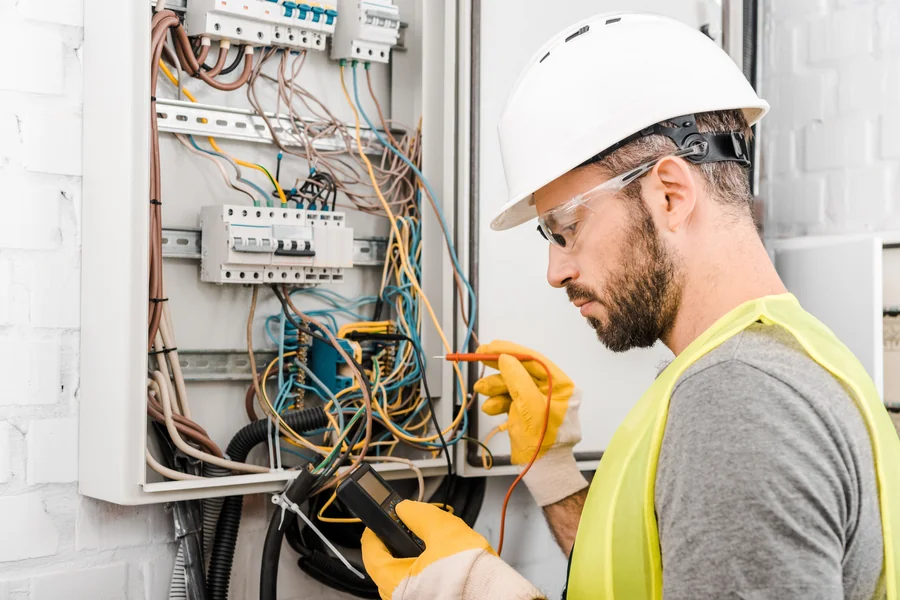
If you are a new homeowner, you probably heard from your electricians something about dedicated electrical circuits, but you are not sure what this is. Or maybe something broke or you are just curious about how to maintain your electrical part of the house and got into dedicated circuits. In this post we will talk about them and how and why you want to maintain them on a regular basis.
Dedicated electrical circuits are a lot more important than most people realize, they support the loads of power that go to your modern appliances, HVAC systems, kitchen equipment and even home offices. They part of the safety system in your house, and they are dedicated to extend the life of your electronics. Let’s get into more details below.
Incorporating dedicated circuits into your home can significantly enhance both safety and functionality, especially when considering modern electrical needs. For instance, as electric vehicles become more prevalent, many homeowners are exploring the benefits of installing electric car stations at home. This addition not only supports efficient charging but also ensures that your vehicle’s power needs are met without overloading existing circuits. By planning for these installations, you can future-proof your home and accommodate the growing demand for sustainable energy solutions. Proper maintenance and regular inspections of these circuits will further ensure their longevity and reliability, providing peace of mind as you embrace new technologies.
What Is a Dedicated Electrical Circuit?
A dedicated circuit refers to a power line which is uniquely linked to its own breaker in an electrical panel. Unlike typical circuits which may service numerous outlets, a dedicated circuit offers service to a single device or appliance. When homeowners plan for property improvements or major appliance upgrades, ensuring the underlying infrastructure can handle the increased load is a necessary step for long-term safety. In many regions, localized building standards require specific wiring configurations to prevent hazards like electrical fires or persistent circuit tripping. If you are managing a renovation project or simply want to modernize your home’s power distribution, consulting with a professional to assess your electrical services in Vineyard can provide clarity on your system’s capacity. These experts can help determine if your existing panel needs an upgrade to support new high-draw equipment, ensuring your household stays safe and functional as your technology needs evolve. This is to guarantee that very powerful devices receive the full range of energy needed without competing for charge.
Maintaining the stability of a residential electrical system involves more than just identifying which appliances require specialized lines. Routine inspections play a vital role in preventing the gradual degradation of connections that often leads to nuisance tripping or overheating. Property owners should periodically verify that their high-draw equipment remains properly isolated to ensure long-term reliability and safety. Resources such as https://www.essentialheatandac.com/ offer valuable insights into managing these complex infrastructure requirements effectively. By prioritizing these preventative measures, you can significantly reduce the risk of unexpected failures or hazardous conditions. Consistent oversight ensures that every component operates within its intended capacity while adapting to the evolving power demands of a modern household.
Most dedicated circuits are 15 or 20 amp circuits. Some appliances also need 30, 40 or 50 amp circuits. For instance, a refrigerator or washing machine commonly has its own circuit, while an electric range or central air unit requires even more capacity.
If you are considering a dedicated electrical circuit, it’s likely due to an appliance or electronics upgrade, remodeling project, or warning signs indicative of an insufficient power supply. Some of the reasons to have a dedicated electrical circuit may include:
- Frequent circuit breaker trips
- Dimming lights when appliances/electronics are in use
- Buzzing sounds
- Burning smell
- Breakers that are hot to the touch
Appliances That Typically Require Dedicated Circuits
Dedicated circuits are commonly installed for appliances that draw significant electrical current or operate continuously. These often include:
- Refrigerators and freezers
- Electric ranges, ovens, and cooktops
- Microwave ovens
- Dishwashers and garbage disposals
- Washing machines and dryers
- HVAC systems and heat pumps
- Water heaters
- Sump pumps
- EV chargers
- Medical or specialized equipment
Local building codes and the National Electrical Code (NEC) specify which appliances must be on dedicated circuits, and requirements may vary based on amperage, voltage, and usage.
Ensuring long-term safety requires a level of vigilance that goes beyond responding to a tripped breaker. Regular visual checks for scorched receptacle covers or persistent buzzing sounds can uncover potential hazards before they escalate into serious fires. Engaging with San Bruno Electric Experts allows for a thorough evaluation of the existing load distribution to confirm that every heavy-duty appliance operates on its own designated pathway. Such detailed inspections are vital for identifying brittle insulation or loose terminal connections that naturally occur over time. This systematic approach to household maintenance not only preserves the efficiency of expensive electronic equipment but also creates a more stable power environment that effectively meets the increasing energy demands of modern living.
The Scope of Work for Dedicated Circuit Installation
The process of installation of a dedicated electrical circuit is more complex than it sounds. Some people don’t know what it involves until they need to hire a crew of experienced electricians to install one. Here’s what it involves:
- Load Calculation and Panel Evaluation
An electrician evaluates the electrical load requirements of the appliance and determines whether the existing panel has sufficient capacity. In some cases, a panel upgrade may be necessary. - Breaker Selection and Wiring
The correct breaker size and wire gauge are selected to match the appliance’s electrical specifications. Undersized wiring can cause overheating and failure, while oversized breakers compromise safety. - Proper Routing and Protection
Wiring is routed safely through walls, ceilings, or conduit, following code requirements for securing, spacing, and protection from physical damage. - Grounding and Bonding
Dedicated circuits must be properly grounded to prevent shock hazards and ensure safe operation. - Permits and Code Compliance
Most jurisdictions require permits and inspections for new circuits to verify compliance with local codes and safety standards.
Why Dedicated Circuits Are Important
The whole point of these circuits is safety, and here’s what exactly they do:
- Prevent circuit overloads and nuisance breaker trips
- Improve appliance performance
- Reduce the risk of fires
- Protect sensitive electronics from voltage fluctuations
Without dedicated circuits your appliances might overload the shared wiring that usually causes outages and puts your whole family at risk of fire when you are not home or home but asleep. It’s extremely dangerous not to have a dedicated circuit.
How to Maintain Dedicated Electrical Circuits
These circuits are recommended to be installed for reliability, but that doesn’t mean they don’t need maintenance. Everything electric related in your house or business needs maintenance to avoid fires and to keep the residents safe.
- Avoid Unauthorized Modifications
Do not add outlets or plug additional devices into a dedicated circuit. Doing so defeats its purpose and may violate code. - Monitor Breaker Behavior
A breaker that trips repeatedly may indicate an appliance issue, wiring problem, or failing breaker. This should be inspected by a licensed electrician. - Inspect Outlets and Connections
Periodically check for signs of heat damage, discoloration, burning smells, or loose connections near appliances. - Schedule Electrical Inspections
Older homes or properties with heavy electrical usage should have periodic inspections to ensure circuits remain safe and compliant. - Replace Aging Components
Breakers, outlets, and wiring can degrade over time. Proactive replacement reduces the risk of failure and improves system reliability.
When to Call a Professional Electrician?
The recommended answer is every time there’s something wrong with your electrical part of the house. And this is not just about money, skills or risk, it’s about your insurance too. Fixing something on your own can lead to denied insurance claims and other issues along the way. So, always hire electricians for dedicated electrical circuits installations or repairs.
- Frequent breaker trips
- Buzzing sounds from the panel or outlets
- Warm or scorched outlets
- Flickering lights when appliances run
- Plans to install new high-demand equipment
Keep your home and family safe by keeping an eye on your dedicated circuits. Don’t avoid the necessary maintenance.