
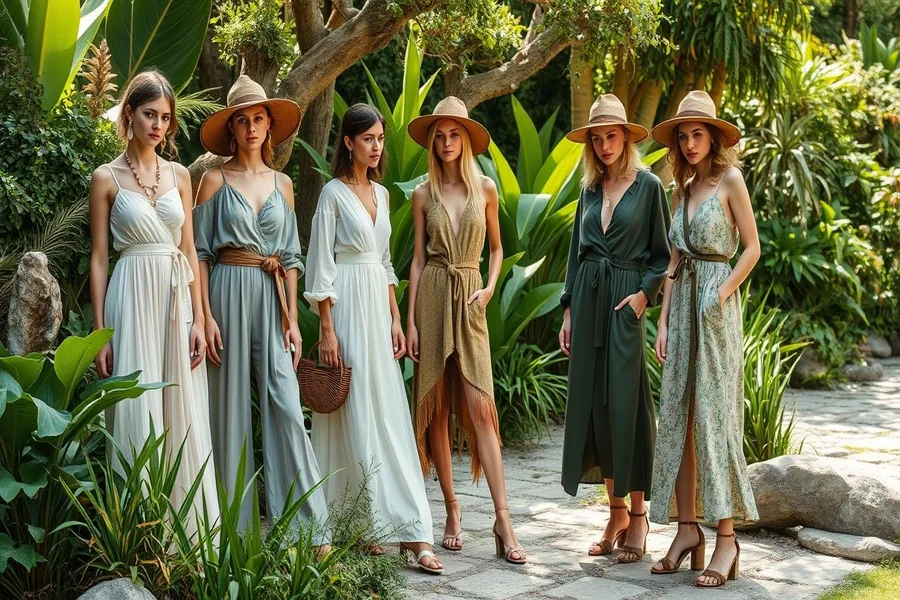
The fashion industry has long been criticised for its environmental impact. From fast fashion’s overproduction to textile waste and water pollution, the need for sustainable solutions has never been more urgent. Today, sustainable fashion is transforming the industry, blending style with responsibility, and redefining what it means to be fashionable in the 21st century.
Understanding Sustainable Fashion
Sustainable fashion refers to clothing and accessories produced with minimal environmental impact and ethical labour practices. This includes the use of eco-friendly materials, reduced waste during production, ethical labour sourcing, and practices that extend garment life. Unlike traditional fashion, which often prioritises profit and speed, sustainable fashion emphasises long-term responsibility to the planet and its people.
Key principles of sustainable fashion include:
-
Eco-Friendly Materials: Organic cotton, hemp, bamboo, and recycled fabrics reduce chemical use and environmental damage.
-
Ethical Production: Fair wages, safe working conditions, and respect for labour rights are central to sustainable practices.
-
Minimal Waste: Upcycling, recycling, and zero-waste design techniques reduce waste sent to landfills.
-
Longevity: Designing high-quality garments that last longer discourages the disposable culture of fast fashion.
The Rise of Consumer Awareness
One of the driving forces behind sustainable fashion is consumer demand. Modern shoppers are increasingly conscious of the environmental and social footprint of their clothing. Social media, documentaries, and awareness campaigns have educated consumers about the impact of fast fashion, leading to a growing market for sustainable alternatives.
Millennials and Gen Z, in particular, are shaping this movement. They prioritise brands that align with their values, even if it means paying a premium. Transparency, ethical practices, and eco-conscious design have become major factors in purchasing decisions.
Innovation in Materials and Processes
Innovation is at the heart of sustainable fashion. Designers are experimenting with alternative materials that are less resource-intensive. For instance:
-
Recycled Polyester: Made from plastic bottles, it reduces reliance on virgin petroleum-based materials.
-
Tencel and Lyocell: Produced from sustainably sourced wood pulp, these fibres are biodegradable and require less water than conventional cotton.
-
Piñatex: A leather alternative derived from pineapple leaves, offering a cruelty-free option for fashion accessories.
Additionally, sustainable brands are optimising production processes to minimise waste. Digital pattern-making, 3D printing, and modular designs allow for precise cuts and fewer leftover scraps.
Circular Fashion Economy
The concept of a circular fashion economy is gaining traction. Instead of the traditional linear model of “make, use, dispose,” circular fashion emphasises reuse, repair, and recycling. Second-hand markets, clothing swaps, and resale platforms are thriving, enabling garments to have multiple lives and reducing environmental strain.
Upcycling has also become a creative outlet for designers. By repurposing old garments, they can create unique, limited-edition pieces that appeal to eco-conscious consumers. Brands that embrace circularity not only contribute to sustainability but also build brand loyalty through innovation and creativity.
Collaborations and Brand Responsibility
Sustainable fashion has fostered unique collaborations between eco-conscious brands and mainstream labels. High-profile partnerships, such as Stella McCartney’s commitment to cruelty-free materials or Adidas’ recycled sneaker lines, highlight the industry’s potential to merge style with sustainability.
For brands looking to explore the latest eco-friendly collections and sustainable fashion trends, platforms like trend2wear offer a comprehensive guide. From recycled fabrics to ethical clothing lines, these resources help consumers make informed choices while staying up to date with contemporary fashion.
Challenges in Sustainable Fashion
Despite its growth, sustainable fashion faces challenges. Costs remain higher due to premium materials and ethical production. Fast fashion’s convenience and affordability continue to dominate the market, making large-scale adoption difficult. Additionally, “greenwashing”—where brands falsely claim to be eco-friendly—can mislead consumers and undermine trust.
Education and transparency are essential to overcoming these challenges. Labels must provide clear information on sourcing, production, and sustainability practices. Consumers, in turn, must critically assess claims and support genuinely responsible brands.
The Role of Technology
Technology is revolutionising sustainable fashion. Innovations such as AI-driven supply chain management reduce overproduction by more accurately predicting demand. Virtual fitting rooms and digital showrooms minimise returns and waste, while blockchain technology enhances transparency by tracking a garment’s lifecycle from production to purchase.
Digital fashion also offers a sustainable alternative. Virtual clothing, worn in gaming environments or on social media, allows consumers to express style without consuming physical resources. These developments hint at a future where fashion can be both innovative and environmentally responsible.
How Consumers Can Contribute
Sustainability isn’t just the responsibility of brands; consumers play a critical role as well. Simple actions include:
-
Choosing Quality over Quantity: Investing in durable garments reduces the need for frequent purchases.
-
Supporting Ethical Brands: Prioritising labels that follow fair labour practices and eco-friendly production.
-
Repairing and Upcycling: Extending the life of clothing through maintenance and creative reuse.
-
Second-Hand Shopping: Embracing resale platforms and thrift stores to reduce demand for new production.
Even small choices, when combined, have a significant impact, encouraging the fashion industry to adopt sustainable practices.
The Future of Sustainable Fashion
Sustainable fashion is no longer a niche movement; it is shaping the future of the entire industry. As awareness grows, brands are pressured to innovate, adopting eco-friendly materials, ethical practices, and circular business models. The integration of technology and conscious consumerism ensures that sustainability and style can coexist harmoniously.
By combining creativity, responsibility, and innovation, sustainable fashion proves that looking good doesn’t have to come at the planet’s expense. Platforms like trend2wear bridge style and sustainability, making it easier for consumers to embrace eco-friendly choices without compromising on fashion.
Conclusion
The evolution of sustainable fashion highlights a shift in values, emphasising ethics, environmental responsibility, and long-term thinking. Consumers, designers, and brands are collectively redefining what it means to be stylish, showing that fashion can be both beautiful and responsible. As the movement continues to grow, sustainable fashion is poised to become the norm rather than the exception, ensuring that future generations can enjoy style without compromising the planet.