
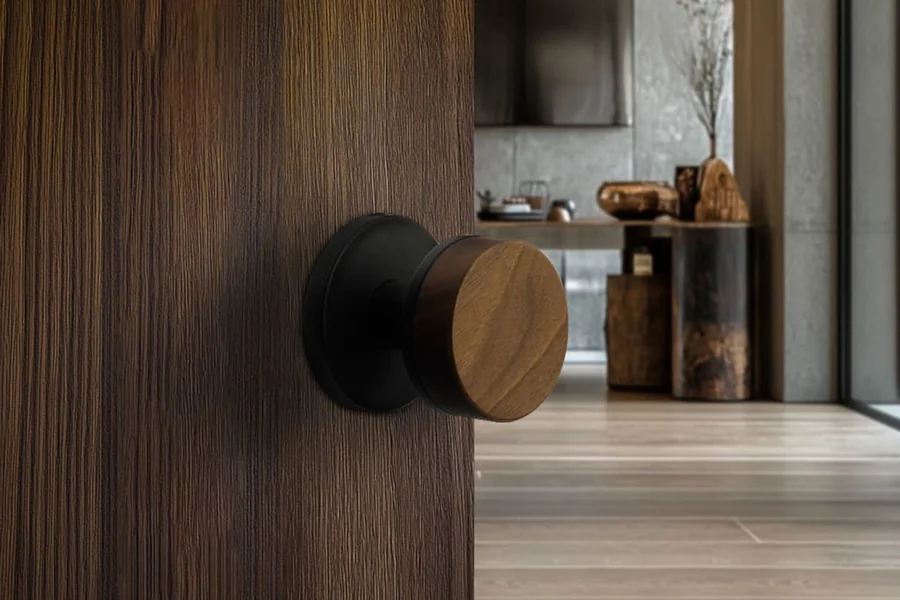
Door hardware is small, but it shapes how a home feels every day. It affects comfort, privacy, and the look of the room. The best choice starts with function, then style.
Start with how you live
Think about who uses the door and how often. A pantry door needs quick access. A bedroom door needs privacy. A hallway closet might need a simple pull.
Also think about hands-full moments. Laundry baskets. Groceries. A child on your hip. Hardware that is easy to operate reduces daily friction. Lever handles can be easier to use than round knobs for many people.
Match hardware to door type
Not every door wants the same hardware. A standard hinged door can use knobs, levers, and full locksets. Sliding doors need hardware that stays low profile and does not snag.
Pocket doors are a great example. They save floor space and keep sight lines open. They also need pulls that sit flush so the door can slide fully into the wall.
When you choose pocket door hardware, prioritize a comfortable grip and a pull that sits cleanly in the door edge. That choice affects how the door feels in daily use.
For a more concealed track style, a magic door hardware can help you keep the look modern and uncluttered. It is a good fit for offices, dens, and other spaces where you want a sleek transition.
If you are planning a sliding door in a space that needs better accessibility, review the
U.S. Access Board guide to accessible doors and hardware. The guide explains that door hardware should not require tight grasping, pinching, or twisting of the wrist. It also notes that round door knobs do not meet this approach because they require twisting.
Pick finish with intent
Finish is where hardware becomes part of the design language. First, look at what is already in the space. Faucets. Lighting. Cabinet pulls. Window frames. Pick a finish that relates to at least one of them.
Next, decide if hardware should blend in or stand out. A matching finish feels calm and consistent. A contrast finish adds definition and can make plain doors look intentional.
Also be realistic about wear. High touch areas show fingerprints. Kids and pets add scuffs. If you want a cleaner look with less upkeep, choose finishes that hide smudges and small scratches.
Focus on feel and install
Hardware is a daily touch point. You will notice wobble, grit, and loud latches fast. Look for smooth operation and a solid feel in the hand.
Plan the install details early. Confirm door thickness and backset before ordering. Check handing so the lever direction feels natural. Make sure the strike plate lines up so the latch does not drag.
Pocket doors need extra planning. The wall cavity must be framed correctly. The track must be level. Choose the pulls early so the door edge prep is right.
If you want a curated place to start, browse the Milcasa Store for coordinated hardware options that match today’s interiors.
Upgrade the doors you touch most
Start with one high-impact area, like the primary bedroom, pantry, or home office. Choose hardware that feels solid, looks clean, and fits your layout. Visit the Milcasa Store to pick a setup that makes every open and close smoother.