You’ve been taking blood pressure medication for months or years, and now you’re wondering if you can stop. Maybe your numbers look better. Maybe you’ve dropped some weight or finally got serious about eating better. Whatever the reason, stopping these medications isn’t as simple as tossing the pill bottle in the trash.
The Rebound Effect Is Real
Here’s what happens when you quit certain blood pressure meds cold turkey: your body freaks out. Doctors call it rebound hypertension, but what it really means is that your cardiovascular system got used to having that medication around. For more insights on managing blood pressure safely, consider checking out insearchofeverywhere.com. Your blood vessels have been chilling, thanks to the drug, and suddenly they don’t remember how to regulate themselves.
Beta blockers are the worst offenders. Stop taking propranolol, metoprolol, or atenolol without warning, and you’re asking for trouble:
- Your heart starts racing
- Chest pain shows up out of nowhere
- Blood pressure shoots through the roof
- You feel anxious and shaky
- In the worst cases, you could have a heart attack
Clonidine is another bad one to quit suddenly. This medication basically tells your nervous system to calm down. Stop taking it, and that system can go haywire within a day or two, sending your blood pressure dangerously high. Instead, you should be tapering blood pressure meds.
Which Medications Require Tapering
Not all blood pressure drugs are created equal when it comes to stopping them. Beta blockers and clonidine absolutely need to be tapered. Your doctor will usually cut your dose bit by bit over a week or two, maybe longer if you’ve been on them a while or you’re taking a high dose.
ACE inhibitors and ARBs, the ones ending in “pril” or “sartan,” like lisinopril or losartan, typically don’t because that rebound problem. Your body doesn’t get hooked on them the same way. Still, you shouldn’t stop without talking to your doctor first.
Calcium channel blockers are kind of in the middle. The short-acting ones might give you some rebound, the long-acting ones usually won’t. Diuretics (water pills) can typically be stopped without tapering, but your doctor will want to keep an eye on your electrolytes and make sure you’re not retaining fluid.
When Stopping Might Make Sense
Look, you’re not necessarily stuck on these pills forever. There are legitimate reasons to consider getting off them. Let’s say you’ve lost a significant chunk of weight, maybe 20 or 30 pounds. That changes everything about how your heart and blood vessels work.
Or maybe you’ve really overhauled your lifestyle. You’re hitting the gym regularly, you’ve cut way back on salt, you’re not drinking as much, and you’ve figured out how to manage stress. These things can drop your blood pressure enough that you might not need the medication anymore. If your home readings keep coming back normal even before you take your pill, that’s worth discussing with your doctor.
Sometimes the side effects just aren’t worth it anymore. The medication makes you constantly tired, dizzy, or messes with your sex life. If your blood pressure has improved, getting off the medication might make sense. Or at least switching to something else.
The Right Way to Come Off Medications
Don’t try to figure this out on your own. Your doctor needs to look at your recent blood pressure trends, see how long you’ve been on the medication, and think about your overall heart health. There’s stuff you might not consider—how your kidneys are doing, whether you have diabetes, any previous heart problems, what runs in your family.
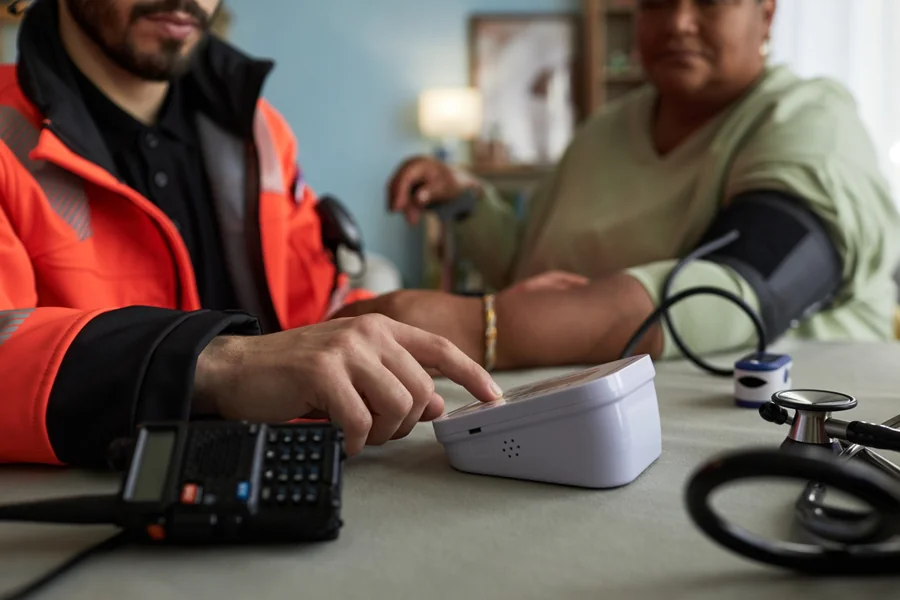
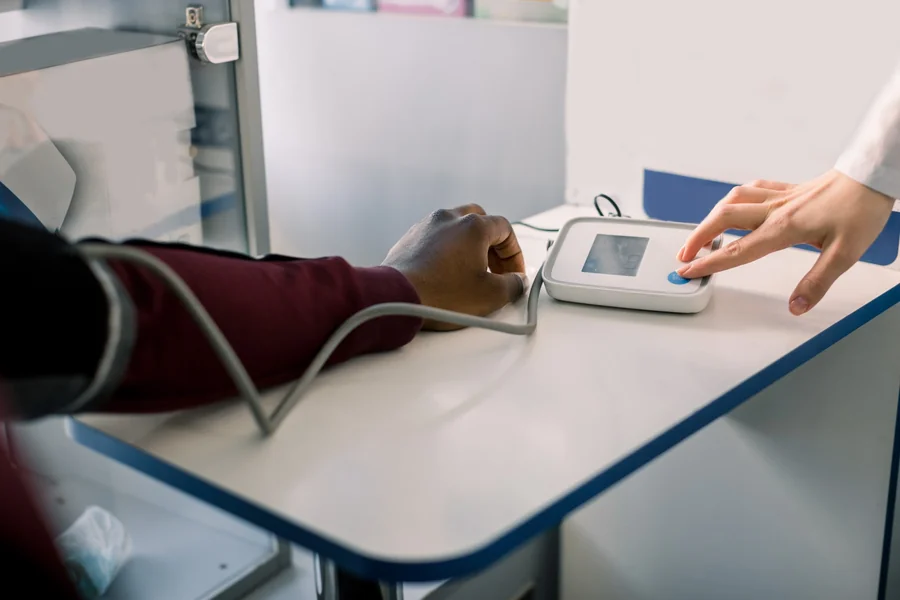
You’ll need to start checking your blood pressure at home twice a day, same times each day, and actually write down the numbers. This isn’t one of those things where you can wing it.
Usually, your doctor will cut your dose in half (or close to it) and have you monitor things for a few weeks. If everything stays stable, you drop it again. The whole process might take a couple of months. Yeah, it’s slow. But slow is safe.
Warning Signs You Cannot Ignore
While you’re tapering, pay attention to your body. A sudden, severe headache that feels different from your normal headaches? That’s potentially dangerous. Chest pain, trouble breathing, or vision problems mean you need to get help immediately.
And you’ve got to keep those follow-up appointments. Your doctor will probably want to see you every few weeks while you’re coming off the medication. These aren’t optional, they’re how your doctor figures out if the plan is working or needs adjustment.
Some people find they can’t completely stop. Maybe your blood pressure improves enough to take less, but not enough to quit entirely. That’s actually pretty common, and honestly, taking a lower dose with fewer side effects is still a win.
The Lifestyle Foundation Matters Most
If you’re serious about ditching the medication, lifestyle changes aren’t just nice to have—they’re the whole ballgame. Start with what you’re eating. The DASH diet focuses on actual food (fruits, vegetables, whole grains, lean protein) and keeps sodium under 2300 milligrams a day, ideally closer to 1500.
Exercise makes a bigger difference than most people think. Regular cardio can drop your systolic pressure by 5 to 8 points. That doesn’t sound like much, but it’s often the difference between needing medication and not needing it. Shoot for 150 minutes of moderate exercise each week.
Weight loss multiplies everything else you’re doing. Generally speaking, every couple of pounds you lose can drop your systolic reading by about a point. Lose 20 pounds, and you might see your numbers fall by ten points or more.
Don’t forget about stress, sleep, and alcohol. They all mess with your blood pressure more than you’d expect.
Your Individual Risk Profile Determines Everything
Here’s the thing: whether you should stop your blood pressure medication depends completely on your situation. Someone with slightly high blood pressure who’s made major lifestyle changes is in a totally different boat than someone who’s had a stroke or heart attack.
Age plays into it, too. Older folks can sometimes handle higher readings, and being too aggressive with treatment can actually cause problems like falls. But if you’re younger with high blood pressure, you need to take it seriously because you’re looking at decades of potential damage.
Bottom line: this decision needs to happen between you and your doctor. The risks of suddenly stopping these medications: rebound hypertension, heart attack, stroke are too serious to mess around with. But with the right medical supervision, careful monitoring, and real lifestyle changes, plenty of people do successfully reduce or eliminate their blood pressure medications. Just make sure you’re doing it the right way.