
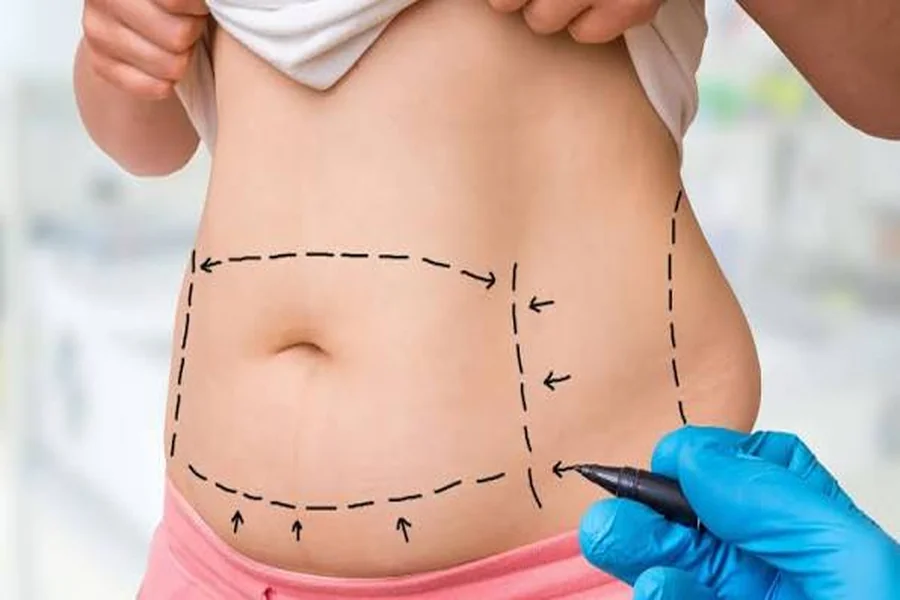
Most people spend months deciding whether to have a tummy tuck, then about a week thinking about what happens afterward. That ratio is backwards. The surgery itself takes a few hours and you will be asleep for all of it, while recovery runs for weeks and asks something of you every single day. The patients who come through it calmly are almost never the toughest ones. They are the ones who prepared.
An abdominoplasty tightens the abdominal wall and removes loose skin, and in many cases it repairs diastasis recti, the separation of the vertical abdominal muscles that pregnancy or significant weight change can leave behind. It is real surgery with real healing, not a cosmetic touch up. Your body treats it exactly like a major operation, because that is what it is.
Medical Clearance and the Medication Review
Your surgeon will order preoperative bloodwork, and depending on your age and history you may also need an ECG or a letter from your family doctor. Book these early, because lab slots fill up and a delayed result can push your date. Bring an honest list of everything you take, including supplements, since fish oil, vitamin E, ginkgo and high dose turmeric all thin the blood more than people expect.
Prescription medications need a plan rather than a guess. Aspirin and anti inflammatories usually stop a week or two out, hormonal contraception may be paused because it raises the risk of deep vein thrombosis, and anything you take daily for a chronic condition should be reviewed by the prescriber, not by you. Blood pressure drugs in particular are not something to stop on your own, and this guide to tapering safely explains why the rebound can be worse than the original problem.
Building a Body That Heals Well
Smoking is the single biggest modifiable risk in this operation. Nicotine narrows the small vessels that feed the skin flap your surgeon is about to lift, and poor blood supply there means delayed healing, wider scars, and in bad cases tissue that dies. Most surgeons ask for six weeks smoke free before and after, and that includes vapes, patches and gum, since the culprit is the nicotine itself.
Weight stability matters more than weight itself. A tummy tuck is a contouring operation, not a weight loss one, and results shift if you drop or gain fifteen pounds afterward. Aim to sit near a weight you can hold for a year. Any clinic offering abdominoplasty toronto patients can book locally will raise this at the consultation, and they mean it as guidance rather than a gate.
Food and movement in the month before surgery pay off later. Protein supports tissue repair, iron keeps your counts up if there is blood loss, and hydration makes the anesthetic easier on you. Gentle core work helps too, though if you have diastasis recti skip crunches, which can widen the gap your surgeon is planning to close. Walking is the safest conditioning there is.
Lining Up Time Off and Human Help
You cannot drive yourself home, and you cannot be alone the first night. That is not a suggestion, it is a condition most surgical facilities enforce before they will discharge you. Pick a specific adult, confirm the date with them, and have a backup. Someone needs to stay for at least the first forty eight hours, because you will be unsteady, groggy, and bent forward at the waist.
Book two weeks off desk work as a minimum, and three if your job involves standing or lifting. Childcare is the piece people underestimate. You will not be able to pick up a toddler for six weeks, so arrange coverage now rather than improvising on day four. Pets that jump need a plan as well, and a large dog that pulls on a leash is a genuine hazard.
Setting Up the Room You Will Recover In
For the first week or so you will sleep bent at the hips, knees supported, to keep tension off the incision. A recliner solves this elegantly. If you do not have one, build the same shape in bed with a wedge pillow behind your back and two pillows under your knees, and test it before surgery so you are not assembling a nest at midnight while medicated.
Move everything you use down to waist height. Reaching overhead pulls exactly where you do not want to pull, and so does bending to a low cupboard. Set out loose front buttoning tops, slip on shoes, a long phone charger, a grabber tool if you can find one, and a small table beside the chair for water, medication, and the remote.
Most patients go home with surgical drains and a compression garment. The drains are thin tubes that collect fluid, and you will be shown how to empty and record the output, which is unglamorous but simple. The garment goes on in the operating room and largely stays on for weeks. Ask whether you should buy a second one, because washing the only garment you own is awkward.
The Shape of the First Six Weeks
Days one to three are the hardest, and they are mostly about staying ahead of the pain rather than chasing it. You will walk short laps of the hallway that same evening, hunched and slow, because early movement is what keeps clots away. Drains usually come out somewhere between day five and day fourteen, depending on how quickly the output slows.
By week two most people are off strong painkillers, standing straighter, and bored, which is its own risk. Desk work often resumes around then, in short stretches. Weeks three to six bring back normal walking and light daily life, while lifting, running and anything that loads the core waits for surgical clearance, usually at the six week mark.
Swelling is the long tail nobody warns you about properly. It rises and falls for months, worse at the end of the day, and the final contour is not honest until somewhere between six and twelve months. Numbness above the scar is normal and fades slowly. Call the office for fever, a hot red patch, or calf pain that appears out of nowhere.
Preparation Is the Part You Control
Almost everything that goes well in a tummy tuck recovery was decided before the operation. The bloodwork was done on time, the nicotine was gone, the freezer was full, a friend had cleared her Thursday. None of that is dramatic. It just removes the small emergencies that otherwise stack up while you are least able to handle them.
Give yourself permission to be slow afterward. The people who struggle most are usually the ones who treated week two as a test of character and lifted something they should not have. Healing is not a performance, and the abdominal wall your surgeon repaired needs the full six weeks whether or not you feel fine at three.