The concept of face swap has emerged as a fascinating and often entertaining tool. Whether it’s for fun, creating memes, or even serious applications in entertainment and social media, face swap technology has become a widely used feature. But what exactly is face swap, and how does it work? In this blog, we’ll break down the science behind face swapping, its uses, and the ethical considerations surrounding this technology.
What Is Face Swap?
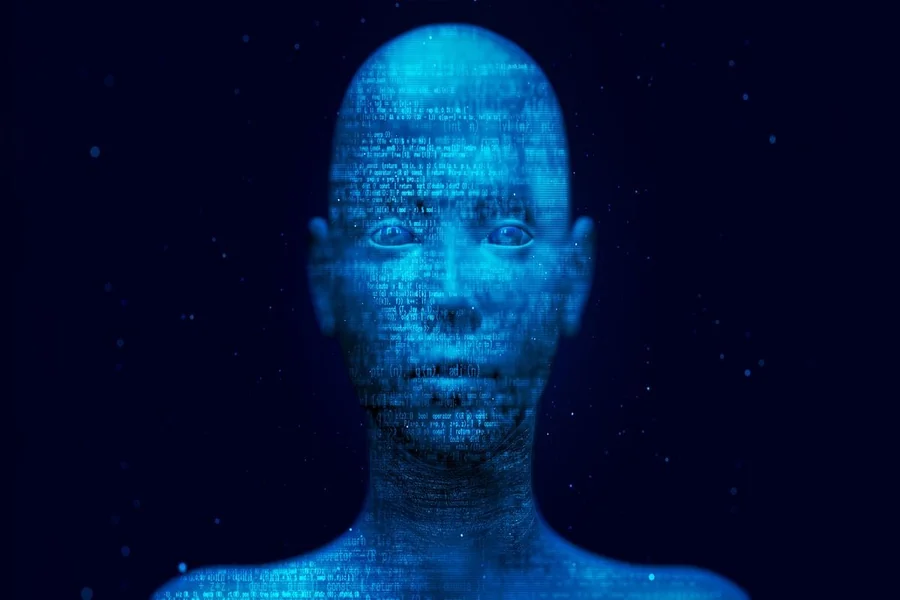
At its core, face swap is a process where the face of one person is digitally swapped with the face of another, typically using AI algorithms. This transformation is achieved by analyzing the facial features of the individuals involved, including things like the position of eyes, mouth, nose, and overall face shape. The AI model then works to match these features to the new face, adjusting for skin tone, lighting, and other factors, so the final result appears as natural as possible.
While face swaps have been around for some time through various software applications, the integration of machine learning and deep learning models has significantly improved the accuracy and realism of these transformations. Modern face swap applications are capable of creating seamless results where the swapped face looks lifelike, and the body movements and expressions are in sync with the new face.
The Technology Behind Face Swap
Most face swap tools today rely on deep learning, a subset of AI that uses neural networks to mimic the human brain’s way of processing information. These deep learning models are trained on vast datasets of facial images and video clips, learning how human faces look from different angles, how they express emotions, and how various lighting conditions affect facial appearance.
Once the system is trained, it can detect facial landmarks (such as the positions of the eyes, nose, and mouth) in an image and then use these landmarks to align and superimpose one face onto another. Techniques such as generative adversarial networks (GANs) are often used in more advanced applications, allowing the AI to create new, realistic-looking images by learning patterns in data and generating faces that blend seamlessly.
Common Uses of Face Swap Technology
- Entertainment and Social Media: The most common use of face swap technology is for fun, especially in creating memes or humorous content. Apps like Snapchat and Instagram feature face-swapping filters that let users swap faces with friends, celebrities, or even pets in real-time. This form of entertainment has exploded in popularity, offering users an easy way to create viral, shareable content.
- Movies and Television: Face swap technology has also made its mark in film and television production. It can be used for visual effects, where actors’ faces are swapped onto stunt doubles, or even to bring deceased actors back to the screen through deepfake technology.
- Virtual Reality and Gaming: In the gaming world, face swap technology can be used to create avatars that more closely resemble the player’s real-world appearance. It helps personalize the gaming experience, allowing users to see themselves in virtual environments.
- Medical and Scientific Applications: Beyond entertainment, face swapping has more serious uses in the medical field. For instance, it can help in reconstructive surgeries, allowing surgeons to visualize potential outcomes or simulate facial surgeries. In psychology and neuroscience, it can be used to study how people react to facial expressions and identify certain patterns in human behavior.
Ethical Considerations and Risks
While face swap technology offers many creative and practical applications, it also raises important ethical concerns. One of the most significant concerns is the rise of deepfakes—hyper-realistic, with AI image generator or video where the face of one person is swapped with another, often used to spread misinformation or create misleading media. The ability to create convincing deepfakes without the consent of the individuals involved raises privacy and consent issues.
Moreover, face swap technology can be misused for cyberbullying, harassment, or identity theft. The ability to create fake images or videos of people, especially public figures, can be harmful if used with malicious intent.
Conclusion
Face swap technology is a remarkable advancement in the field of AI, transforming the way we create and consume digital content. From creating viral memes to revolutionizing film production and scientific research, face swap is reshaping numerous industries. However, it’s essential to approach this technology with caution, especially when it comes to ethical concerns related to privacy, consent, and the potential for misuse. As AI continues to evolve, it’s crucial to find a balance between leveraging its creative potential and ensuring that it’s used responsibly.