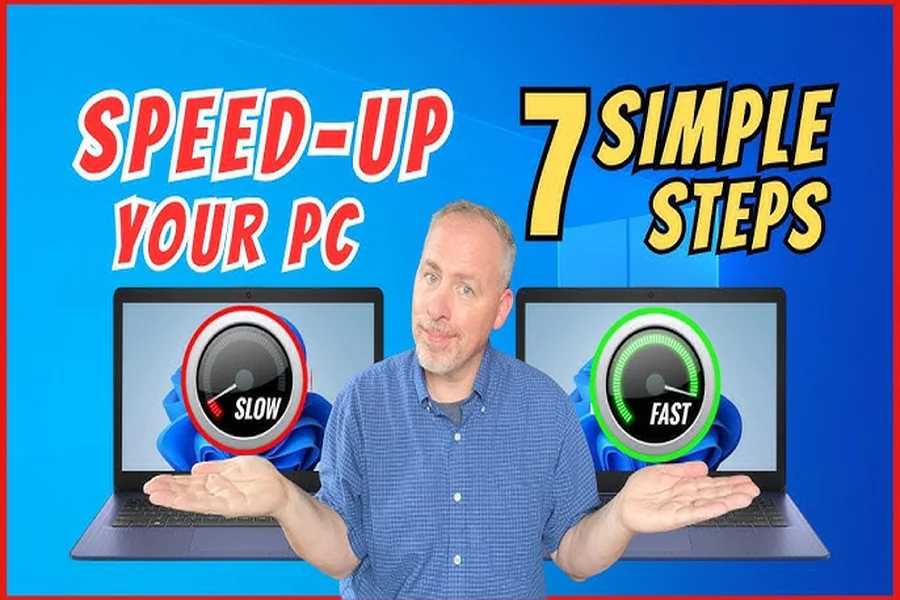
A slow computer can be frustrating—apps take too long to open, the system lags, and even simple tasks feel heavy. Windows 11 offers a modern interface, but many users complain about performance issues. The good news is that you can easily speed up Windows 11 using built-in tools and optimization steps.
Below are the 7 most effective methods to boost Windows performance.
1. Disable Startup Programs
Many apps automatically start when Windows boots, slowing down startup speed.
How to fix:
Open Task Manager
Go to Startup Apps
Disable unnecessary apps like Discord, Zoom, or Steam
This single step can make your PC boot up up to 40% faster.
2. Clean Temporary Files
Windows collects tons of unnecessary temporary files.
To delete temp files:
Press Windows + R
Type temp, delete everything
Repeat with %temp% and prefetch
Run Disk Cleanup for C drive
Removing temp files can free several gigabytes and instantly improve speed.
3. Turn Off Background Apps
Many apps run silently in the background even when you’re not using them.
Disable background apps:
Settings → Apps → Installed Apps → Select App → Background Permissions → Never
This reduces CPU and RAM usage.
4. Uninstall Unnecessary Software
Unused programs consume storage and resources.
Go to:
Settings → Apps → Installed Apps
Uninstall: trials, old software, games you don’t use, duplicate tools.
5. Enable Storage Sense
Storage Sense automatically removes temporary files.
Enable it:
Settings → System → Storage → Turn ON Storage Sense
It helps keep your PC clean without manual effort.
6. Check for Malware
Malware can slow down the entire system.
Scan your PC with:
Windows Defender (built-in)
Malwarebytes (free version)
This step often fixes severe performance issues.
7. Upgrade to SSD or Add More RAM
If your PC feels extremely slow, this hardware upgrade is the ultimate solution.
SSD makes the system 5x faster.
More RAM helps with multitasking.
If your Windows 11 PC feels sluggish, there are several ways to boost its speed without complex upgrades. Here are seven simple steps to improve performance.
-
Disable Startup Programs: Prevent unnecessary programs from launching at startup. Open Task Manager (Ctrl + Shift + Esc), go to the Startup tab, and disable unneeded apps.
-
Update Windows and Drivers: Ensure your system and drivers are up-to-date. Go to Settings > Windows Update to check for updates.
-
Free Up Disk Space: Use the built-in Disk Cleanup tool to remove temporary files, system cache, and other unnecessary files.
-
Adjust Power Settings: Switch to a high-performance power plan for better processing speed. Go to Settings > System > Power & Battery.
-
Uninstall Bloatware: Remove pre-installed or unused software through Settings > Apps > Installed Apps.
-
Turn Off Visual Effects: Reduce Windows’ flashy animations by navigating to System Properties > Advanced > Performance Settings, and select “Adjust for best performance.”
-
Add More RAM: If possible, upgrading your RAM can significantly improve your PC’s performance.
To speed up your Windows 11 PC, disable startup programs, update your system and drivers, free up disk space, switch to a high-performance power plan, uninstall unnecessary software, reduce visual effects, and consider adding more RAM. These steps will boost performance and make your PC run faster.
Conclusion
These 7 methods provide a simple way to speed up Windows 11 without needing a technician. Follow them weekly for best results and a smooth, fast PC.