
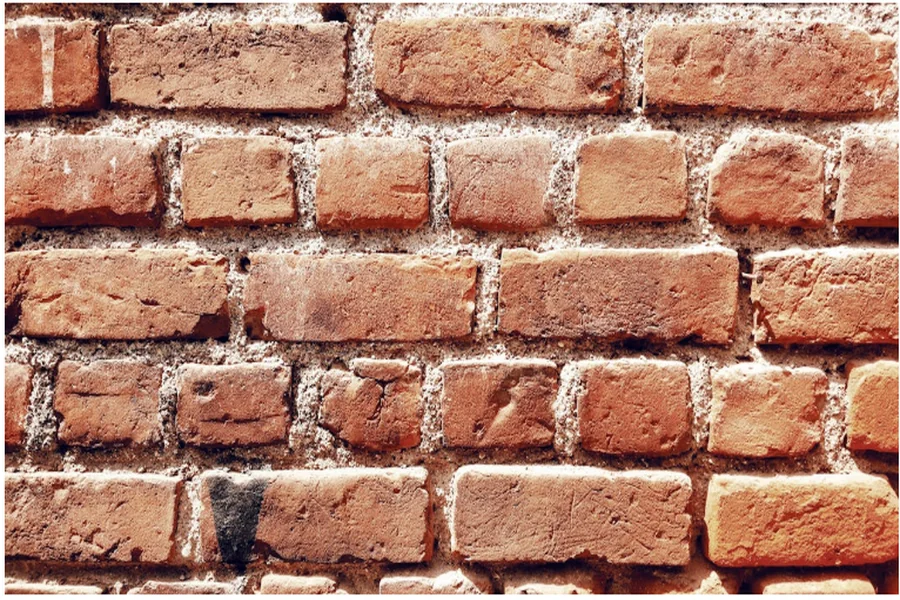
Structural problems in a home can range from small annoyances to serious safety hazards, and fixing them early helps protect both the strength and value of your property. Unlike cosmetic issues that a fresh coat of paint can cover, structural issues affect the core stability of your house, including the foundation, framing, and load-bearing parts.
Ignoring these problems can lead to costly damage, safety risks, and a drop in property value. The good news is many problems can be avoided or reduced with early checks and simple, steady upkeep. For example, in busy cities, strict rules like Local Law 11 help keep buildings safe and slow down structural wear, showing how important building health is everywhere.
Knowing the common causes of structural damage and spotting early warning signs helps homeowners act quickly. From small foundation shifts to cracks in walls, your home often gives hints when something is wrong.
Fast action protects your investment and, more importantly, keeps everyone in the home safe. Let’s look at the most common structural problems and simple ways to prevent them.
Top 8 Common Structural Problems Found in Homes
Cracks in Walls, Ceilings, and Foundations
Cracks are often the first clear sign of trouble. Hairline cracks can be normal as a house settles or temperatures change. But larger cracks that widen over time-especially diagonal or stair-step cracks-are warning signs. These may point to shifting foundations, too much load on certain areas, or water damage.
Foundation cracks deserve close attention. Vertical cracks are often less serious and linked to normal settling. Horizontal cracks or stair-step cracks in masonry are more concerning and may mean there’s heavy pressure on the foundation from poor drainage or uneven settlement. Watch the width and direction over time. Any crack wider than 1/8 inch or one that grows should be checked by a professional.
Moisture infiltration remains one of the most persistent threats to a building’s longevity, often manifesting as subtle dampness before escalating into significant structural compromise. When hydrostatic pressure builds against a foundation, even microscopic fissures can allow water to seep inward, weakening the concrete and fostering mold growth. Homeowners who prioritize a dry environment often seek specialized basement leak repair Indianapolis to mitigate these risks and reinforce their property’s defense against the elements. By addressing these vulnerabilities early, you not only preserve the physical integrity of the walls but also ensure a healthier living space for years to come. Consistent monitoring and timely intervention are the most effective ways to prevent minor seepage from becoming a costly structural failure.
Uneven or Sloping Floors
Floors should feel solid and level. If they are bouncy, dipping, sloping, or uneven, there may be trouble below. Common causes include weakened joists, damaged support beams, or a settling foundation. Wood beams and joists can sag from moisture or pests like termites.
Uneven floors aren’t just a cosmetic issue; they can lead to serious safety risks if support members give way. Catching these signs early is very important to protect your home’s stability and safety.
Bowing or Leaning Walls
Walls that bow inward or lean show heavy pressure on your home’s structure. This often ties back to foundation problems, poor drainage, or water pressure in the soil outside the walls. Wet soil can push against the foundation and make walls bow or tilt, especially in basements or behind retaining walls.
Bowing or leaning walls are dangerous. As the lean increases, the wall’s strength drops, raising the chance of failure. Even small pressure changes can cause cracks in drywall, brick, or block. Fixing bowing walls early is very important to protect the structure and avoid major damage.
For reliable assessment and long-lasting repair of structural issues, trust Nova Construction Services — experts in exterior restoration who stabilize and strengthen foundations before small issues become costly failures.
Sticking Doors and Windows
Doors and windows that start to stick, jam, or won’t close properly are often more than a seasonal issue. They can signal foundation movement. When the foundation shifts, the framing goes out of square, and openings warp. Even small shifts can cause noticeable misalignment.
These problems often hint at wider movement that can also lead to wall cracks, uneven floors, and other stress across the home. Ignoring them can raise repair costs and increase safety risks.
Sagging or Bowing Roofs
A strong roof spreads weight evenly across the home. If the roof sags or bows, there may be problems with trusses, rafters, or load-bearing walls. Weather takes a toll over time, and without good upkeep, weak points can form. Water stains on ceilings along with a sagging roofline are clear signs of trouble that can lead to leaks and damage below.
Heavy snow, poor construction, or wood weakened by moisture or pests can make the problem worse. Serious sagging needs quick help from a pro to prevent bigger failures.
Gaps Between Walls and Floors
Gaps where walls meet floors often point to a shifting foundation or framing issues. These gaps appear when soil settles unevenly under the house, causing parts of the foundation to sink. This pulls walls and floors apart and may cause drywall cracks and misaligned trim.
Data from the U.S. Geological Survey shows soil movement is a major cause of home problems. If you see these gaps, the foundation may be losing support. If ignored, the issue can grow and threaten the home’s safety.
Basement Wall Bowing or Water Seepage
Basement walls should stay straight and hold back the soil. If they bow inward, water pressure from wet soil is often the cause. This pressure can be very strong, pushing walls in and stressing the foundation. Dampness or musty smells often come with seepage, pointing to moisture problems that can weaken concrete and shift soil.
Bowing basement walls can put the whole home at risk if not fixed quickly. Water entry also leads to mold and speeds up decay of wood and other materials.
Chimney Leaning or Cracking
A chimney that leans or pulls away from the house, or one with large cracks, is often more than a masonry issue. Chimneys are heavy and need solid support. A leaning chimney often signals foundation problems, especially if the main foundation is also shifting. Causes include a failing chimney footing, uneven settlement, or unstable soil.
Serious leaning or cracking should be checked by a professional. It can be a safety risk and may point to larger foundation problems that need fast action.
Key Causes of Structural Problems in Buildings
Poor Construction Techniques and Materials
The saying “a chain is only as strong as its weakest link” fits homebuilding well. Using poor methods or low-quality materials weakens a home from the start. Problems may include weak foundations, wrongly installed beams, or not enough reinforcement in load-bearing walls. Cutting corners can save money early but often leads to expensive and unsafe failures later.
Older homes may also lack modern reinforcement, making them more likely to develop problems over time. Without good engineering and quality control, a home will age poorly and struggle with weather and soil changes.
Soil Movement and Foundation Settlement
The ground under a home is rarely still. Soil movement is a leading cause of structural trouble. Some settling is normal, but when it’s too much or uneven, it puts stress on the foundation. Expansive soils swell when wet and shrink when dry, causing ongoing movement that can crack foundations and shift framing.
Changes in moisture, erosion, and shifting ground can weaken a foundation, leading to cracks, sinking, and instability. This is why a solid, well-designed foundation matters most, especially in areas with active soil.
Water Damage and Drainage Issues
Water is a quiet but serious threat to a home’s structure. Poor drainage lets water pool around the foundation, in basements, or in crawl spaces. Constant moisture weakens concrete, shifts soil, and creates water pressure against basement walls, causing bowing and cracks.
Leaks from plumbing or roofs and high indoor humidity can also do major harm. Moisture leads to mold and wood rot, weakening beams and joists and causing sagging floors. Managing water inside and outside the home is key to preventing these problems.
Weather-Related Deterioration
Homes face wind, rain, snow, and sun every day. Strong winds can stress roofs and walls. Heavy snow can overload a roof and cause sagging or collapse if the structure can’t handle the weight. Freeze-thaw cycles make materials expand and contract, leading to cracks and wear in foundations and masonry.
Big temperature swings, humidity changes, and UV rays also speed up aging. Regular checks and maintenance help fight these forces and keep the structure strong.
Termite and Pest Infestations
Termites and other wood-boring pests can cause severe damage. Termites eat wood from the inside out, hollowing beams, joists, and other lumber. As this damage progresses, homeowners often begin researching the cost to remove termites once they realize how quickly these pests can compromise structural wood. The damage is often hidden until it’s advanced. Weakened wood can’t carry loads, leading to sagging floors, bowing walls, and possible collapse.
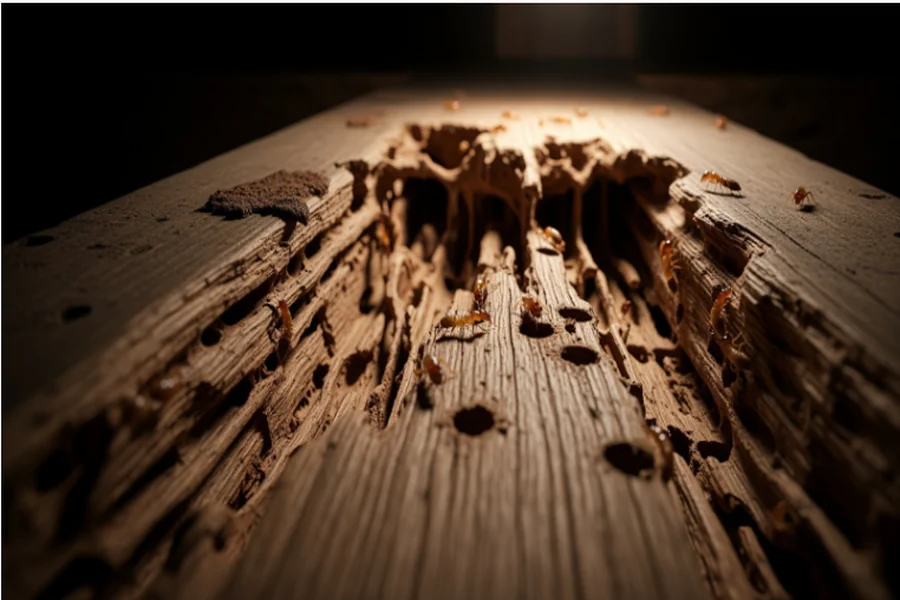
Mud tubes on the foundation are a common sign of termite activity. Carpenter ants and powder post beetles can also damage wood. Treating infestations quickly protects the frame of your home.
Age and Lack of Maintenance
All homes wear down over time, and older homes are more likely to develop problems simply due to age. Materials break down, connections loosen, and weather takes a steady toll. Skipping maintenance speeds this up. Small issues like clogged gutters, minor leaks, or tiny cracks can grow into big structural problems if left alone.
Regular checks and quick repairs are key to a long-lasting structure. Without steady care, even a well-built home can fail early and need costly repairs.
Warning Signs: How to Identify a Structural Problem Early
Visual Clues: Cracks and Distortions
Your eyes are your best tools. Watch for:
- Cracks wider than a hairline or growing over time
- Diagonal or stair-step patterns in walls or masonry
- Horizontal cracks that can mean heavy pressure
Also look for walls that bow or lean, floors that slope or sag, and ceilings that dip.
Check alignment too. Are doorframes or window sills out of square? Do you see gaps between siding and the foundation? Even small visual changes can signal movement that needs a closer look.
Subtle Indicators: Doors, Windows, and Floors
Some signs are less obvious but just as serious:
- Doors or windows that stick, jam, or won’t latch
- Floors that feel bouncy or spongy
- Noticeable dips or slopes as you walk
These changes can mean the foundation or framing is shifting. If ignored, minor issues can grow into costly repairs.
Unusual Noises or Movements
Homes should feel solid and quiet. New or frequent creaking, groaning, or popping without a clear cause can mean stress in the structure. Sounds may come from floors, walls, or the roof. New vibrations-like a shake when someone walks-also deserve attention.
Some noises are normal in older homes, but a sudden increase or new repeated sounds should be checked. They can point to joist problems, foundation movement, or roof issues.
Persistent Dampness or Musty Smells
A musty smell in basements, crawl spaces, or lower levels often means ongoing dampness. Moisture leads to mold, mildew, wood rot, and soil expansion-all bad for structural parts. It can weaken beams, joists, and subflooring.
Look for water stains, peeling paint, white powdery deposits on masonry (efflorescence), or visible mold. These signs point to leaks, poor ventilation, or drainage problems that are harming the structure. Fixing the source of moisture should be a top priority.
How to Prevent Structural Problems in Your Property
Set Up Proper Drainage and Water Management
Good drainage is one of the best ways to protect your home. Extra moisture in soil can cause swelling, erosion, and water pressure on foundation walls. Keep gutters clean and flowing, and use downspout extensions to carry water 5-10 feet away from the foundation. The soil should slope away from the house.
If you live where rainfall is heavy or the water table is high, think about French drains or a sump pump. Working drainage systems help keep soil from getting waterlogged, lower the load on the foundation, and reduce rot, mold, and wood damage.
Schedule Routine Maintenance and Inspections
Regular upkeep is your best defense. Like a car, a home needs steady care. Book a yearly home inspection, especially for older properties, to find issues early. Between visits, walk your home inside and out and watch for the warning signs listed above.
Check for new cracks, uneven floors, sticking doors and windows, damp areas, and odd noises. Fix small problems like minor leaks, clogged gutters, or tiny cracks right away so they don’t turn into major repairs. A well-cared-for home stays strong.
Address Foundation Movement Early
The foundation supports everything above it. If you see early signs like ongoing foundation cracks, bowing basement walls, or uneven floors, act fast. Some settling is normal, but major or uneven movement needs a pro’s review.
Call a structural engineer or foundation specialist at the first sign of a real shift. They can find the cause and suggest solutions like underpinning, installing piers, or stabilizing the soil to restore support and stop further damage.
Control Moisture and Prevent Termite Damage
Moisture harms structures and attracts pests. Keep basements, crawl spaces, and attics well ventilated to reduce humidity. Fix leaks quickly-whether from plumbing, roofs, or windows. Use dehumidifiers in damp areas to keep indoor humidity steady.
To avoid termites, reduce wood-to-soil contact around the house. Inspect for mud tubes and call a pest control pro if you see signs of activity. By controlling moisture and stopping pests, you protect wood from rot and infestation and extend the life of your home.
Use Quality Construction Materials and Techniques
During construction or major remodels, demand good materials and proven methods. Use the right grade of lumber, quality concrete, and proper reinforcement that meets engineering rules and local codes. Hire licensed, experienced contractors who follow best practices.
For additions or changes, don’t cut corners on structural work. Get plans engineered so changes don’t weaken what’s already there or create new stress points. A well-built home is more resistant to time and weather.
Tips for Long-Term Structural Health of Your Home
Maintain Consistent Moisture Levels
Keeping moisture levels steady inside and around the home goes a long way. Rapid soil moisture changes make expansive soils swell and shrink, stressing the foundation. Indoors, big humidity swings make wood expand and contract, which can loosen connections and cause cracks.
Water landscaping near the foundation on a steady schedule during dry spells to reduce soil shrinkage. Indoors, use humidifiers or dehumidifiers to keep humidity around 30-50%. Stable moisture reduces stress on both the foundation and the wood frame.
Monitor for Changes After Renovations
Renovations can change how loads move through a house. After major work-like removing walls or adding a level-watch closely for new cracks, sticking doors or windows, or uneven floors that weren’t there before.
Even heavy new fixtures can add local stress. If you notice changes, contact the contractor who did the work or a structural engineer to confirm the home is still sound.
Choose Licensed and Experienced Contractors
For any work that affects structure, hire licensed pros with relevant experience. Often, start with a structural engineer for an assessment, then hire a contractor with a strong record on structural projects. Check licenses, references, and insurance.
Skilled pros know local codes and proper techniques. DIY fixes or unqualified work can worsen damage, create unsafe conditions, and raise future costs. Paying for expertise protects your home.
When Should a Structural Engineer or Professional Be Called?
Checking the Severity of Visible Damage
Homeowners can spot early signs, but knowing when to call an expert matters. If you see cracks wider than 1/4 inch, horizontal or stair-step cracks, sudden and serious floor or roof sagging, walls that bow or lean, or a chimney pulling away from the house, call a structural engineer. They can tell the difference between cosmetic issues and real structural threats, find the cause, and judge any safety risk.
Don’t wait for the problem to grow. Early help from a pro can prevent major damage and lower costs. Their clear, unbiased view gives you a safe path forward.
Getting an Expert Diagnosis Before Major Repairs
Before starting major structural repairs, get an engineer’s diagnosis. Even if a contractor proposes a fix, an independent engineer can confirm the cause and match the repair to it. For example, fixing a crack without knowing if it came from soil movement, water, or poor construction may only be a short-term patch.
An engineer can prepare reports, design repair plans, and oversee the work to meet code and good practice. This matters for complex work like underpinning, wall bracing, or beam replacement, where mistakes can make things worse. Their role helps confirm that your repair budget is well spent and that the result will last.