
The global gaming industry continues to grow as more people engage in competitive esports, casual gameplay, and streaming. Advancements in game graphics, online connectivity, and immersive titles have increased the demand for powerful devices capable of handling complex performance requirements. As a result, gaming laptops have gained significant traction, appealing to users who want portability without sacrificing capability.
High-quality gaming laptops offer strong performance, stable frame rates, fast load times, and reliable hardware that can support demanding titles for several years. The top rated gaming laptops available today such as those featured by Razer showcase how far portable gaming machines have come in meeting these needs.
This article outlines the key features that define modern gaming laptops, reviews noteworthy models, and provides guidance for choosing the right system in 2025.
Understanding the Key Features of Gaming Laptops
To run today’s advanced games, gaming laptops require strong internal components. The most crucial elements include the processor, graphics card, RAM, storage, and cooling systems. A fast CPU ensures smooth multitasking and stable gameplay, while a high-performance GPU renders detailed graphics at high frame rates.
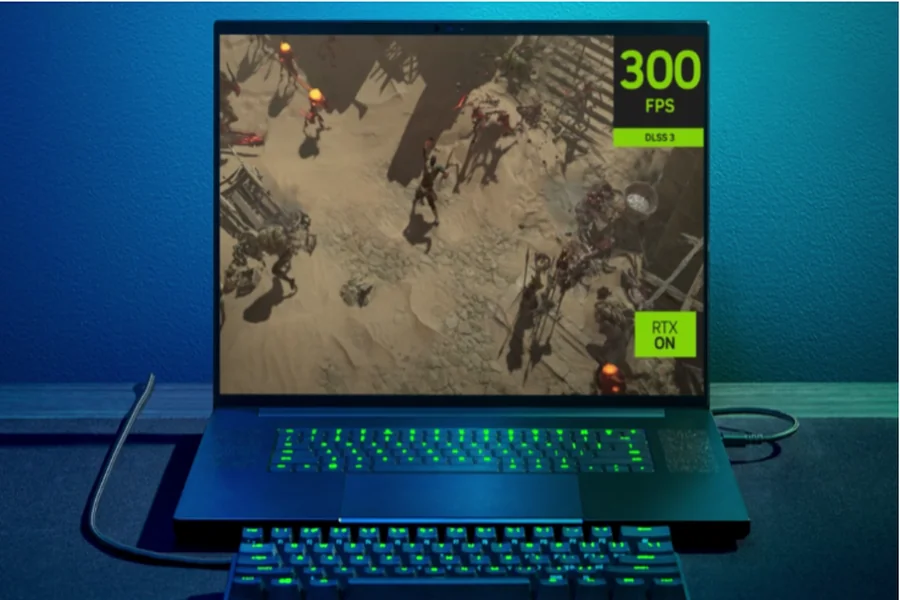
Graphics quality remains one of the defining aspects of gaming performance. AAA titles rely heavily on powerful GPUs to deliver realistic lighting, detailed textures, and fluid motion. Without a capable graphics processor, users may experience lag, poor rendering, or reduced visual fidelity.
Other essential features include:
- Storage: Many gaming laptops now use NVMe SSDs for fast loading and better overall responsiveness.
- Speed: Higher RAM allows smoother performance, particularly for open-world games and applications running simultaneously.
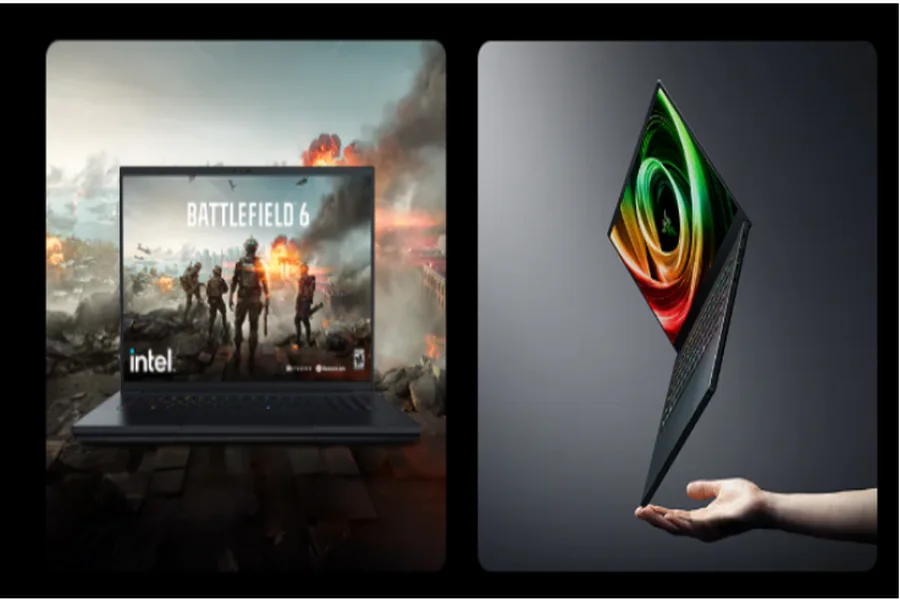
- Display Quality: High refresh rates, such as 144Hz or 240Hz, provide smoother motion and reduce input lag.
- Thermal Efficiency: Effective cooling systems prevent overheating and help maintain consistent performance.
Top-Rated Gaming Laptops of 2025
This year’s leading gaming laptops combine performance, portability, and advanced engineering. Below is an overview of some standout models shaping the 2025 market.
Laptop 1: Razer Blade Series
Known for its slim profile and sturdy build, the Razer Blade continues to be a top choice for gamers seeking premium design and powerful internals. Equipped with high-end GPUs, fast processors, and vibrant displays, it offers strong performance for competitive and open-world gaming. Its cooling system and customizable RGB keyboard add to its appeal.
Laptop 2: ASUS ROG Line
ASUS’s ROG laptops emphasize performance optimization and durability. Features like advanced cooling modules, high-refresh-rate screens, and customizable gaming profiles help players fine-tune their experience. They often appeal to users who prefer a more aggressive, gamer-focused aesthetic.
Laptop 3: MSI GE and GS Series
MSI gaming laptops balance performance and affordability. Their GE series focuses on high power and expanded connectivity options, while the GS line offers thin, lightweight builds for players who need portability without compromising performance.
Additional models continue to emerge from brands like Lenovo and Acer, each offering unique strengths such as extended battery life, enhanced audio, or modular upgrade options. As competition grows, manufacturers are innovating rapidly to differentiate their devices.
Gaming Laptops with Advanced Features
Recent technological advancements are shaping the next generation of gaming laptops. Users now expect more efficient cooling, faster displays, and specialized gaming software that optimizes hardware usage.
Some laptops offer:
- Mini-LED or OLED displays for sharper colors and improved contrast.
- AI-assisted performance tuning, enhancing frame rates and thermal management.
- Advanced cooling solutions using vapor chambers or redesigned airflow systems.
- Expanded storage options for large modern game libraries.
These advanced features matter during gameplay because they improve responsiveness, maintain stable performance, and reduce thermal throttling. For competitive gaming, even a slight improvement in refresh rate or input response can influence outcomes.
Recommendations for Choosing the Right Gaming Laptop
Before purchasing a gaming laptop, users should consider several factors to ensure the device aligns with their gaming habits and long-term needs.
Key Considerations
- Performance Requirements: Casual gamers may prioritize battery life and portability, while competitive players typically require stronger GPUs and high-refresh-rate displays.
- Budget: Prices vary widely, so evaluating value for money is important.
- Brand Reliability: Well-established brands often provide better customer support and long-term durability.
- Upgrade Options: Some laptops offer replaceable RAM or SSDs, extending lifespan and increasing flexibility.
- Portability: Users who travel often may prefer lightweight models with strong battery performance.
Gamer Preferences
Different players value different features. Competitive esports gamers may seek maximum speed and low latency, while story-driven gamers may focus on display quality and a more immersive visual experience. Casual players may prioritize convenience and overall comfort.
Smart Buying Tips
Comparing prices across official retailers, reading reviews, and checking warranty terms can help buyers avoid unnecessary costs. Since technology evolves quickly, choosing a laptop with slightly higher specifications can help future-proof the purchase.
Conclusion
The gaming laptop market in 2025 offers a wide range of models designed to meet diverse performance needs and gaming styles. Devices highlighted among the top rated gaming laptops continue to push limits in design, speed, and efficiency, making them essential tools for both casual players and competitive gamers.
Investing in a high-performance laptop ensures smoother gameplay, reduced load times, and better support for future titles. As users explore their options, evaluating key features, performance expectations, and long-term usability will help them select the device that best fits their gaming goals.