
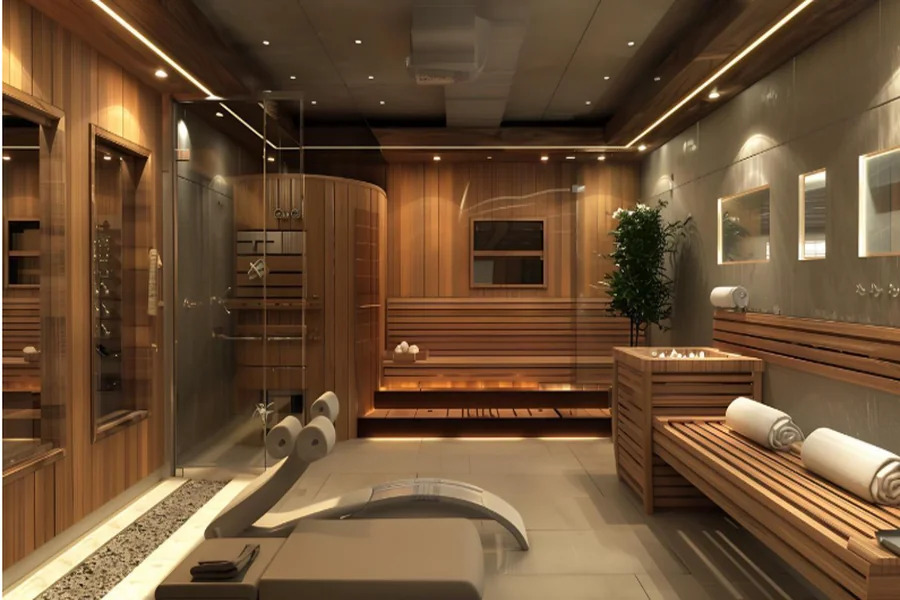
For decades, the design of a home followed a familiar logic. Rooms were defined by function, kitchens for cooking, living rooms for gathering, bedrooms for rest. While this structure still holds, it is no longer the complete picture. Today, there is a growing shift toward spaces that serve not just practical needs, but personal well-being.
This evolution reflects a broader change in how people relate to their environments. The home is no longer seen as a place to return to after the day is done; it is becoming a space that actively supports how the day is experienced. Comfort, focus, and restoration are now part of the design conversation.
Within this context, wellness is moving indoors.
From Occasional Escape to Everyday Access
Traditionally, wellness experiences were something people sought outside the home. Whether through spas, retreats, or specialized facilities, relaxation was often tied to location. It required planning, time, and, in many cases, expense.
What is changing now is accessibility. Instead of treating wellness as something occasional, more people are integrating it into their daily environments. This shift is driven by a simple realization: consistency matters more than intensity.
When wellness is built into the home, it becomes easier to maintain. It transitions from something you schedule into something you live with, an option that is always available rather than one that must be pursued.
Why Indoor Wellness Is Gaining Ground
While outdoor wellness spaces have long been popular, indoor environments are gaining attention for their practicality and consistency. Weather, privacy, and convenience all play a role in this shift.
Indoor wellness features offer year-round usability, controlled conditions, and a level of integration that outdoor setups often cannot match. They become part of the daily flow of the home, rather than a separate destination.
This is particularly relevant in urban environments or homes where outdoor space is limited. By bringing wellness inside, people are able to create meaningful experiences without relying on external factors.
Designing for Integration, Not Separation
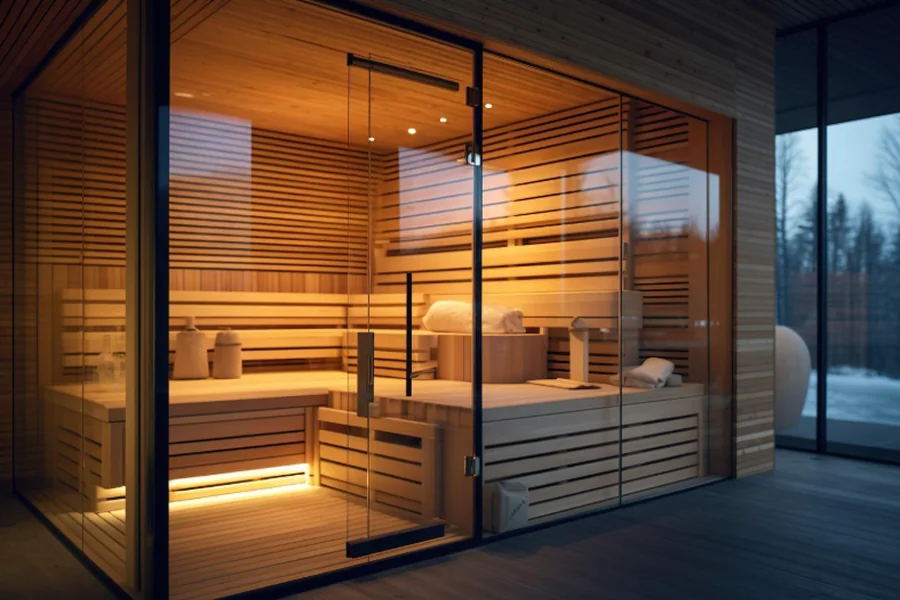
One of the most important aspects of indoor wellness is how it is integrated into the overall design of the home. Rather than isolating these features, modern design approaches seek to blend them into existing spaces.
This might involve incorporating wellness elements into bathrooms, spare rooms, or transitional areas that connect different parts of the home. The goal is to create continuity, where moving from one activity to another feels natural rather than disruptive.
In this context, solutions like Premium Saunas highlight how indoor sauna designs can be adapted to fit seamlessly within residential environments. With options that prioritize both spatial efficiency and aesthetic coherence, these systems make it possible to introduce heat-based wellness into the home without compromising design integrity. By aligning function with form, they support a more integrated approach to living.
The Role of Environment in Daily Recovery
The environment plays a critical role in how effectively we rest. Lighting, temperature, materials, and layout all influence how a space feels and how the body responds to it.
Indoor wellness spaces allow for a higher degree of control over these elements. Soft lighting can be adjusted to create a calming atmosphere, materials can be selected for their tactile qualities, and temperature can be regulated with precision.
This level of control enhances the overall experience, making it easier to transition into a state of relaxation. It also reinforces the idea that well-being is not just about activity, but about the conditions that support it.
The Science Behind Heat and Relaxation
The growing interest in indoor wellness is supported by research into the benefits of heat-based practices. Heat exposure has been associated with a range of physical and mental effects, from improved circulation to reduced stress.
According to the Harvard Health Publishing, regular sauna use may support cardiovascular health and promote relaxation when incorporated into a balanced routine. These findings provide a scientific framework for what many people experience intuitively.
By bringing these practices indoors, individuals can engage with them more consistently, increasing their potential benefits over time.
Consistency as a Lifestyle Advantage
One of the most significant advantages of indoor wellness spaces is consistency. When access is immediate, habits are easier to form and maintain.
This consistency transforms wellness from a reactive practice into a proactive one. Instead of waiting until stress accumulates, individuals can incorporate moments of recovery into their daily routines.
Over time, these moments add up. They influence not only how people feel in the short term, but how they function in the long term.
A Shift Toward Intentional Living
The movement toward indoor wellness reflects a broader cultural shift toward intentional living. It is about making choices that align with personal priorities, rather than defaulting to external expectations.
By designing spaces that support well-being, individuals are taking a more active role in shaping their daily experience. They are recognizing that the environment is not neutral, it has a direct impact on mood, energy, and focus.
This awareness is changing how homes are designed, used, and valued.
Redefining Comfort and Luxury
As wellness becomes more central to home design, the definition of comfort is evolving. It is no longer limited to softness or convenience, but extends to how a space supports recovery and balance.
Luxury, in this context, is not about scale or excess. It is about access, having the ability to step into a space that immediately shifts the pace of the day.
Indoor wellness features embody this idea. They offer a form of comfort that is both physical and experiential, creating value that goes beyond appearance.
The shift toward indoor wellness spaces marks a meaningful change in how people approach both design and well-being. It reflects a move away from occasional escape and toward everyday integration, where recovery is part of the natural rhythm of life.
By incorporating features that support relaxation, prioritizing thoughtful design, and embracing consistency, individuals are transforming their homes into environments that actively contribute to their well-being.
In the end, the most effective spaces are not those that simply look good, but those that feel right, spaces that support not just how we live, but how we feel while living.