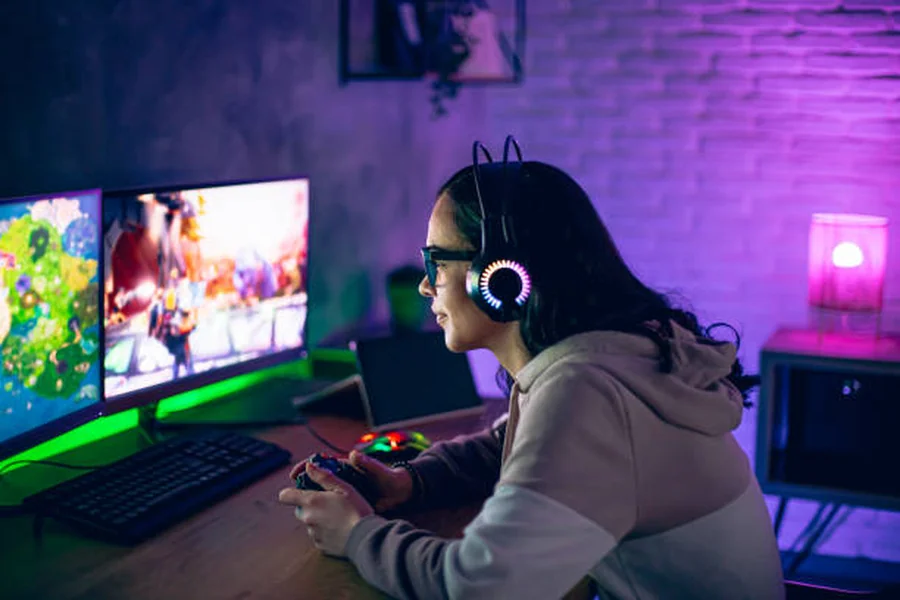
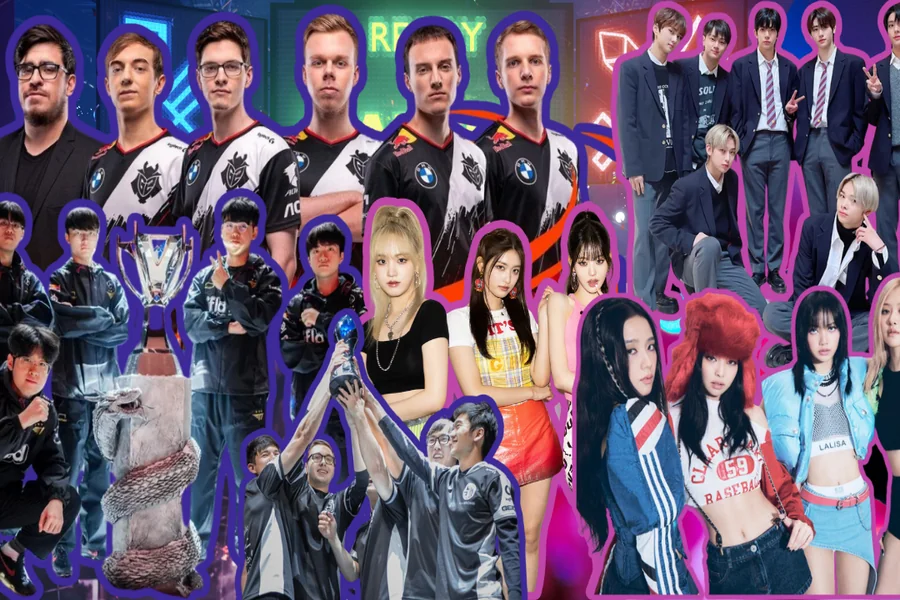
Modern gaming culture has developed significantly and combines elements of many subcultures. One of the trends among the younger generation of gamers is K-Pop. Both industries have a global audience, a strong fan base, and actively use digital platforms for development. K-Pop idols can be seen in gaming collaborations and esports tournaments, while professional gamers are becoming part of pop culture. In this article, we will discuss how K-Pop and esports influence each other and what the collaboration between these industries brings.
Cultural Overlap Between K-Pop and Esports
A key reason for the rapprochement between K-Pop and esports communities is a similar culture formed in South Korea. It is there that this type of music and gaming are popular at the same time. The youth audience consumes K-Pop content, at the same time is interested in League of Legends and other esports disciplines. This creates a natural intersection of fan bases and a common information space.
Aesthetics also play a significant role. K-Pop is known for its visual component and recognisable branding, while esports actively adopts these approaches to create images for teams and players. Thematic elements can be seen in the design of arenas, team jerseys, trailers for new seasons and game updates, etc. Of course, most dota 2 events have completely different themes, but even in this game, similar branding can be seen. For fans, this means a new experience of watching matches and new ideas for improving the game.
It is also worth mentioning the influence of streaming platforms. YouTube, Twitch, and Korea’s AfreecaTV are key channels for both K-Pop content and esports. Communities are formed here, teams are discussed, and individual player statistics are analysed. Fans also have the opportunity to chat with their favourite players and learn a lot of interesting information.
K-Pop Idols and Their Role in Esports Promotion
The participation of K-Pop idols in the promotion of e-sports is a very effective marketing tool. Of course, their collaborations with games like Roblox are much more effective, but for example in Valorant it also has a right to exist. Many stars openly declare their love for video games, participate in show matches or attend major tournaments. For eSports, this means an increase in the audience, which previously could not be interested in professional gaming.
Video game developers also actively use K-Pop to launch new products or updates. A good example is Riot Games’ collaboration with Korean artists, demonstrating how music can become part of the gaming universe. Soundtracks, music videos, and game characters inspired by K-Pop aesthetics attract fans to watch tournaments and participate in gaming events.
On the other hand, K-Pop idols themselves benefit from this interaction. Participation in esports projects allows them to increase the reach of the audience and also make good money. It is also important that such collaborations stimulate interest in professional esports, because it is interesting for a new audience to learn more about teams, famous players, regional leagues and tournaments.
Esports Organizations Adopting K-Pop Fan Strategies
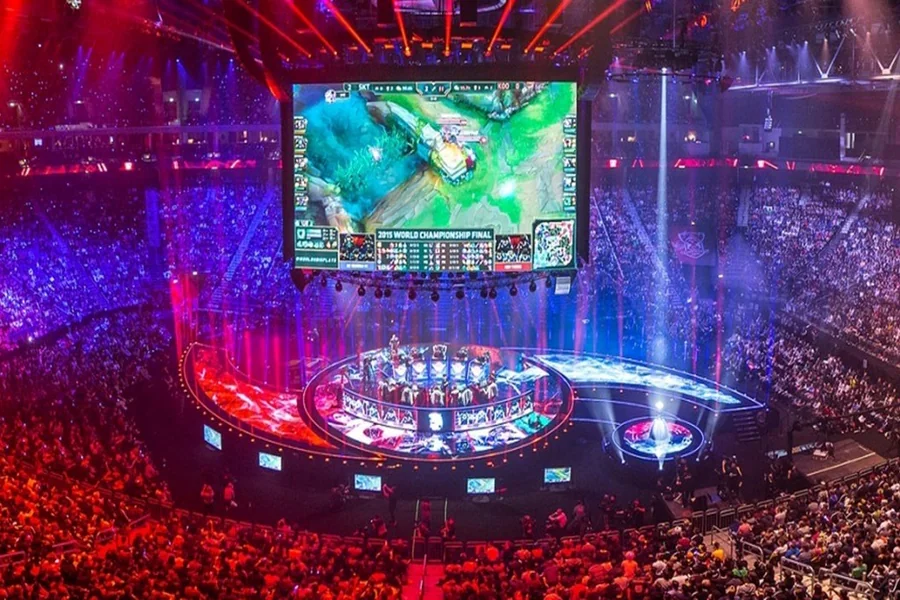
Esports organizations are increasingly inspired by fan services typical of the K-Pop industry. It’s not just about the merch or the design of the team’s website, but about an integrated approach to working with the audience. In K-Pop, artists constantly create new content so that the audience is interested and active. Some of the famous esports teams are already using these mechanics, creating video blogs, behind-the-scenes content and personal stories of players.
The aspect of loyalty building is also noteworthy. K-Pop fans are known for their active support of performers, investing significant funds in the industry and even copying the appearance of their idols. In esports, this manifests itself in a slightly different way. Fans create fan clubs, purchase paid subscriptions, and copy the playing style of their favourite esports players.
Events are very important in cooperation between eSports and K-Pop. Fan meetings, autograph sessions and interactive events have become the norm for these industries and are very popular. They strengthen the emotional connection between the players and the audience, turning the team into a brand with its own history. Thanks to this approach, esports goes beyond a purely competitive format, and K-Pop increases the reach of listeners.
The Future of K-Pop and Esports Collaboration
The future of cooperation between K-Pop and esports looks promising. With the development of new technologies, both industries are gaining new tools that allow them to improve many elements. Music events are held in video games, and K-Pop gets new ideas for concerts. So, the creation of joint digital and real products may become a new trend in these industries.
While K-Pop and esports used to be mostly seen in Asia, today the collaboration between these industries is present in Europe, North America, and Latin America. This opens up opportunities for international collaborations, where music artists and esports players work together to create new content targeted at different markets.
Equally important is the economic aspect. Both industries are very large-scale and have significant investments, so cooperation should also be economically viable. Joint projects attract significant investments, clothing brands, technology companies and streaming services. For them, K-Pop and esports are a chance to simultaneously reach several segments of the youth audience. As a result, the investment attractiveness of both spheres increases. Obviously, the collaboration of esports and K-Pop is currently a trend, but if properly developed, it can affect global cultural changes and a new generation of content consumers.
Conclusion
Putting all the facts together, we can say that cooperation between esports and K-Pop is effective for both industries. A shared audience, similar fan mechanics, and active use of online platforms make this symbiosis mutually beneficial. K-Pop helps esports reach a larger audience, while esports opens up new formats for music artists to interact with their fans. With the right development, such cooperation will form a new entertainment model where music and competition exist in a single cultural space.