
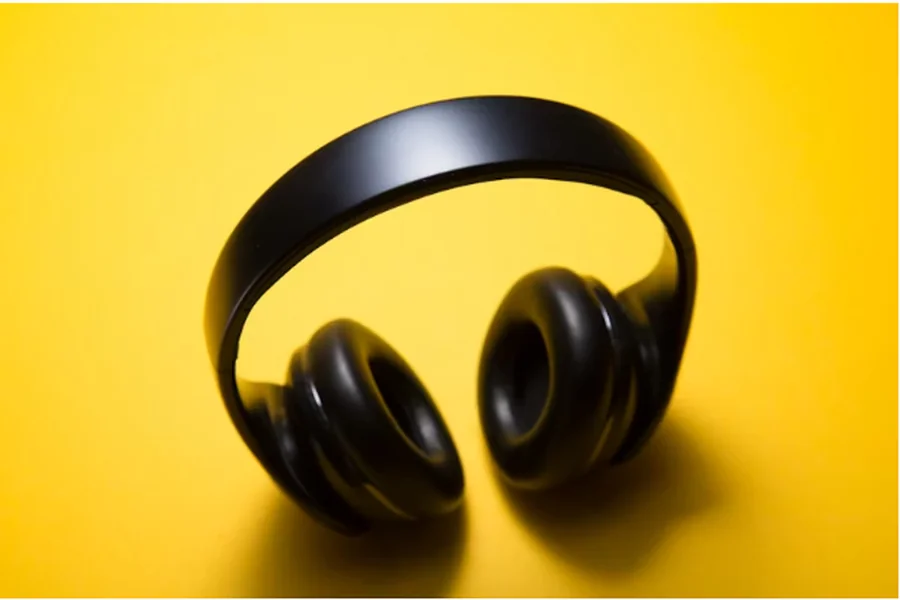
Wireless technology has transformed how people access and experience audio. Among the devices that have benefited from this transformation, the Bluetooth headset stands out as a practical and versatile accessory. Its development illustrates how audio devices have shifted from simple communication tools to integral components of daily routines, blending convenience, portability, and advanced functionality.
The Technological Progression
Bluetooth technology emerged in the 1990s as a means of eliminating cables in digital communications. Initially, headsets built on this technology were designed to facilitate hands-free telephone use, offering a level of mobility that traditional wired devices could not match. Over the years, these headsets have developed into sophisticated audio instruments capable of high-quality music playback, voice-assisted controls, and integration with a range of digital applications.
The adoption of advanced audio codecs has improved sound clarity while reducing delays, a significant factor in maintaining real-time audio quality. Battery improvements have extended operational time, allowing users to rely on these devices throughout the day without frequent recharging. The combination of these advancements has transformed Bluetooth headsets from niche accessories into widely adopted audio solutions.
Integration into Everyday Life
Modern users choose Bluetooth headsets for their convenience and adaptability in different environments. Commuters can manage calls and messages without occupying their hands, creating a smoother travel experience. Fitness enthusiasts benefit from water-resistant designs that can withstand sweat and outdoor conditions, allowing uninterrupted audio guidance or music during workouts.
Workplaces have also recognised the value of these devices. Headsets with noise-cancelling technology help employees maintain focus in open-plan offices while connecting to computers, phones, and other devices without disrupting workflows. True wireless stereo (TWS) models remove the last physical restrictions, giving users complete freedom of movement. This flexibility positions Bluetooth headsets as multifunctional tools suitable for both professional and personal contexts.
Design Evolution and Comfort
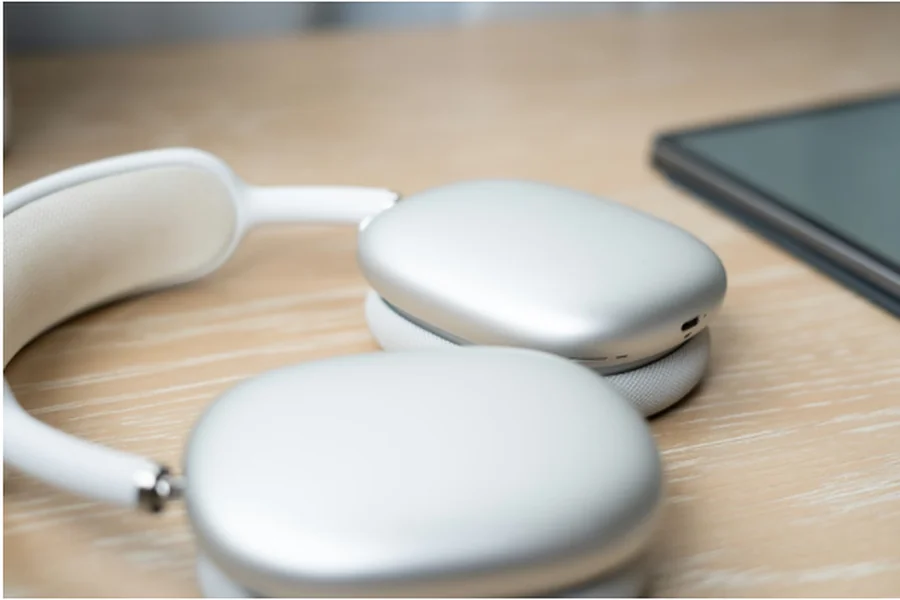
Early Bluetooth headsets were often bulky, and many users found their designs unattractive. Contemporary products place equal emphasis on appearance and usability. In-ear models, over-ear headphones, and hybrid designs cater to different preferences, combining style with practical performance.
Manufacturers have placed greater attention on ergonomics, crafting shapes and materials that reduce strain during long periods of use. Soft memory foam, breathable fabrics, and lightweight structures improve comfort, while a variety of colour and finish options allow individuals to select devices that match their personal style. This shift towards thoughtful design has made long-term daily use more appealing to a wider audience.
Environmental Responsibility
Sustainability has become an important factor in electronics production. Many companies now integrate eco-friendly materials and energy-efficient processes when manufacturing Bluetooth headsets. Packaging has been reduced in size and made recyclable, lowering the environmental footprint of distribution.
Several brands operate take-back schemes, enabling customers to return old devices for recycling. These initiatives demonstrate a commitment to reducing electronic waste while responding to the growing demand from consumers for environmentally responsible products. The move towards greener practices aligns the technology with broader social concerns, influencing purchasing decisions and brand perception.
Connectivity and Device Compatibility
Bluetooth headsets offer broad compatibility across multiple devices. They can connect with phones, tablets, computers, and smart home systems, creating a unified audio experience. This interoperability is possible because of standardised protocols, which allow different manufacturers’ products to communicate without difficulty.
Recent developments in multipoint connectivity have made it feasible for a headset to link with more than one device simultaneously. Users can switch between calls, music, or other audio tasks without disconnecting and reconnecting, providing seamless interaction in environments where multiple devices are used. This flexibility has strengthened the headset’s role as an essential accessory for multitasking users.
Anticipated Innovations
The evolution of Bluetooth headsets continues, with emerging technologies offering new opportunities. Augmented reality (AR) and virtual reality (VR) could integrate immersive sound experiences into daily life, transforming how users perceive audio. Artificial intelligence has the potential to improve voice recognition and enhance interaction with digital assistants, making audio devices more responsive and intuitive.
Sensor integration may expand the functionality of headsets in health and fitness applications. Future devices could monitor heart rate, track movement, or deliver real-time health insights, turning a standard audio accessory into a multipurpose tool. Such developments suggest that Bluetooth headsets will increasingly act as extensions of personal and professional routines, supporting communication, entertainment, and wellness.
Conclusion
Bluetooth headsets have moved beyond their initial purpose as simple hands-free communication devices. Through technological enhancements, design improvements, and environmental considerations, they have become integrated elements of modern life. Their adaptability across commuting, fitness, workplace, and leisure contexts demonstrates their practical value.
The combination of comfort, aesthetic versatility, and connectivity ensures these devices cater to a broad spectrum of users. Forward-looking innovations in AR, AI, and sensor technology indicate that Bluetooth headsets will continue to evolve, providing richer experiences and broader functionality. As users rely more on portable, wireless audio solutions, the headset’s role is likely to expand further, reflecting both the demands and expectations of contemporary lifestyles.