
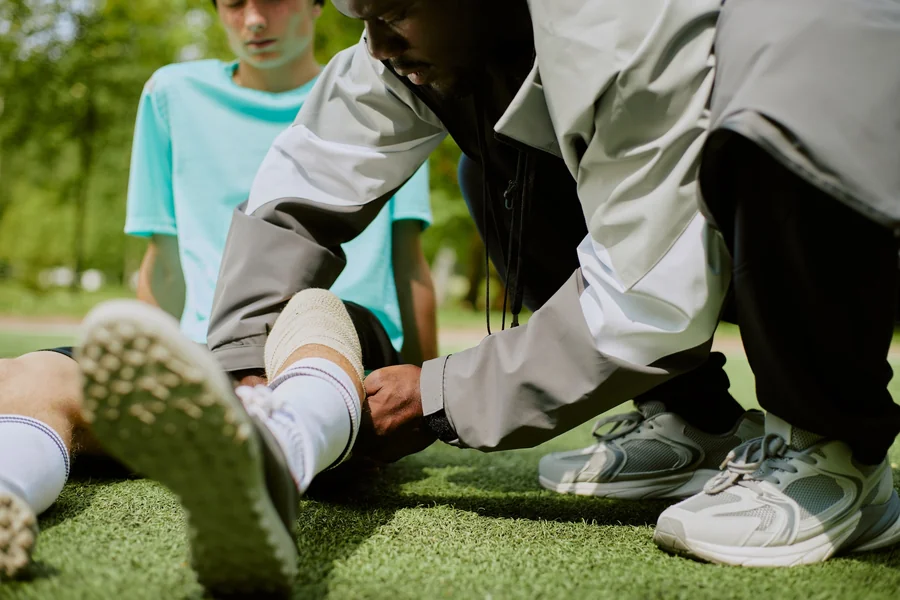
Overuse injuries are common in athletes of all ages and skill levels, often developing gradually rather than from a single traumatic event. These injuries occur when repetitive stress is placed on muscles, joints, and tendons without enough time for recovery. Sports such as running, swimming, tennis, baseball, and soccer frequently involve repeated movements that can lead to pain and decreased performance. Understanding how to prevent with physical therapy Idaho Falls overuse injuries is essential for staying healthy, active, and competitive.
Understanding Overuse Injuries
Overuse injuries develop when the body is pushed beyond its ability to recover. Microtrauma builds up in tissues over time, eventually leading to inflammation, pain, and limited movement. Common examples include tendonitis, stress fractures, shin splints, and shoulder or elbow pain. Early symptoms are often subtle and may include mild discomfort, stiffness, or reduced performance, which is why many athletes continue training until the injury worsens. Recognizing these early warning signs is a key part of prevention. Pain that persists after activity or returns consistently should not be ignored, as it may indicate an underlying issue that needs attention.
The Importance of Proper Training and Progression
One of the most effective ways to prevent overuse injuries is to follow a structured training plan. Sudden increases in intensity, duration, or frequency of activity place excessive stress on the body. Gradual progression allows muscles and joints to adapt safely to increased demands. Incorporating rest days into training schedules is just as important as workouts. Rest allows tissues to repair and strengthen, reducing the risk of breakdown. Athletes should also vary their training to avoid repeating the same movements every day. Cross training helps balance muscle use and prevents excessive strain on specific areas.
Strength, Flexibility, and Conditioning
Balanced strength and flexibility play a major role in injury prevention. Weak or tight muscles can alter movement patterns, placing additional stress on joints and soft tissues. Strength training helps support proper alignment and improves the body’s ability to handle repetitive movements. Flexibility and mobility exercises maintain healthy range of motion and reduce tension in overworked muscles. Warm ups before activity prepare the body for movement, while cool downs help reduce stiffness and promote recovery.
The Role of Technique and Equipment
Poor technique is a common contributor to overuse injuries. Improper form can place repeated stress on the wrong muscles or joints. Working with coaches or trained professionals to refine technique can significantly reduce injury risk and improve performance. Using appropriate equipment also matters. Shoes, protective gear, and sport specific tools should be properly fitted and suited to the activity. Worn out or incorrect equipment can increase impact forces and contribute to injury over time.
Listening to Your Body
Athletes often push through discomfort in pursuit of improvement, but pain is an important signal. Learning to listen to the body and respond early can prevent minor issues from becoming serious injuries. Taking breaks, modifying activity, or seeking professional guidance at the first signs of pain can shorten recovery time and protect long term health.
When to Seek Professional Support
Physical therapists and sports medicine professionals play a valuable role in preventing overuse injuries. They can assess movement patterns, identify imbalances, and design individualized programs to address weaknesses or limitations. Early intervention helps athletes stay active and perform at their best. Preventing overuse injuries requires a proactive approach that combines smart training, proper recovery, and attention to body mechanics. By prioritizing these strategies, athletes can reduce injury risk and enjoy long lasting success in their sport.