
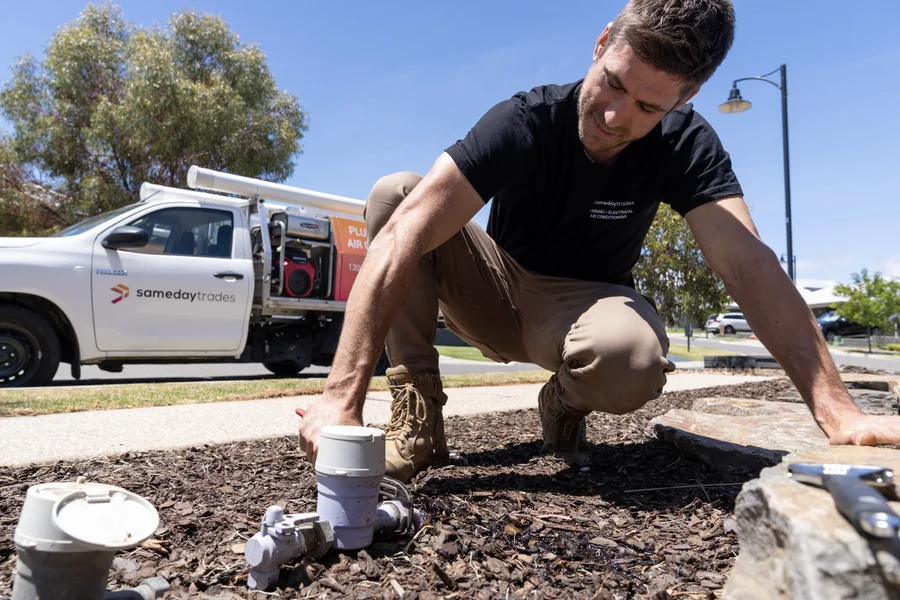
Heritage homes across Adelaide have a charm that modern builds simply can’t replace. The high ceilings, old timber floors, and thick stone walls carry stories from decades—sometimes more than a century—of family life. But with that beauty comes a set of plumbing issues that most new homeowners don’t expect. Hidden leaks, ageing pipes, and slow water damage can sneak up on you, especially if the home hasn’t been inspected in years.
Talk to any experienced plumber in Adelaide and they’ll tell you the same thing: heritage homes need a different level of care. Modern leak detection tools have become essential, not just for convenience but for protecting the structural integrity of these older homes. The technology today is far more precise than the old “guess and check” method, and the right tools can save thousands in repair costs.
This guide breaks down the leak detection tech that plumbers across Adelaide trust the most—especially when dealing with fragile, historic properties.
Why Heritage Homes Are More Prone to Leaks
Before diving into the tech, it helps to understand why leaks are so common in older properties.
Most heritage homes across Adelaide were built with materials that have far outlived their intended lifespans. Galvanised steel pipes rust internally, copper lines gradually thin out, joints loosen over time, and underground sections shift with changing soil conditions.
In homes built before the early 1980s, plumbing systems simply weren’t designed for today’s water pressure or the constant daily usage we see now. Even a small leak hidden behind a stone wall can slowly damage flooring, plaster, and insulation.
And because so many heritage homes have thick walls and unusual layouts, leaks don’t always show up where people expect. Water may travel metres before revealing itself, which is why professional tools matter more than guesswork.
Acoustic Listening Devices: The Old but Reliable Essential
Long before fancy digital tools existed, plumbers relied on acoustic listening gear. Surprisingly, these devices are still among the most trusted options. They’ve just become much more advanced.
Acoustic tools work by picking up the sound of escaping water. Even a small leak gives off a faint hiss or vibration, and trained plumbers can detect it through walls, floors, and soil.
For heritage homes, acoustic listening is often the safest first step because:
- no drilling is required
- no structural disturbance
- it works well with thick stone walls
- plumbing lines remain untouched
Many plumbers in Adelaide carry high-end listening devices specifically for these older homes. The key is the technician’s experience—identifying leaks by sound requires training and patience, especially when homes have multiple pipe materials.
Thermal Imaging Cameras: Seeing What the Walls Hide
Thermal imaging has become a favourite among plumbers who specialise in older homes. These cameras detect temperature differences inside walls or under floors. Since leaking water usually cools the surrounding material, the camera highlights the affected area with a clear colour contrast.
What makes thermal imaging particularly useful in heritage homes is the accuracy. You can pinpoint potential leak zones without cutting open walls. In properties where plasterwork or stonework is historically significant, avoiding unnecessary damage is a huge advantage.
A thermal camera can reveal:
- moisture pockets
- missing insulation
- hidden pipe pathways
- old patches of water damage
- areas where mould might develop
When combined with acoustic tools, thermal imaging gives plumbers a near-complete picture of what’s happening behind the scenes.
Digital Pipe Locators: Mapping Out What the Builder Never Documented
Most heritage homes don’t come with plumbing diagrams. Builders in the early 1900s didn’t leave behind detailed maps, and even renovations done in the 1970s or 80s rarely included proper documentation.
This creates a challenge when homeowners need repairs.
Digital pipe locators solve that problem by sending a signal through the line so the plumber can track its path from above the ground. These devices show the depth, direction, and position of pipes that are otherwise invisible.
A plumber in Adelaide will often use a locator before any major leak investigation to ensure they know exactly where the line sits. It reduces the risk of drilling into the wrong spot and damaging heritage materials.
Moisture Meters: Small Tools That Catch Problems Early
Moisture meters might look simple, but they can reveal a lot about a home’s condition. These handheld devices measure how much moisture sits inside timber, plaster, stone, or tile.
In older Adelaide homes, timber floors and skirting boards are especially vulnerable. A slow leak under the bathroom or laundry might not be obvious at first, but a moisture meter can detect early changes long before mould or warping appears.
Heritage homeowners often underestimate how quickly moisture can spread, especially under old floorboards. Plumbers use these meters to confirm whether moisture is recent, ongoing, or from an older issue that has already dried.
Pressure Testing Kits: Checking the System for Weak Points
Pressure testing is another essential step that many plumbers use on older homes. The idea is simple: the water line is pressurised, and the system is monitored to see if pressure drops. A drop means there’s a leak somewhere in the system.
This method is especially effective for:
- detecting hidden underground leaks
- identifying weak joints in old copper lines
- checking if multiple leaks exist
- confirming whether a repair actually solved the issue
Pressure testing doesn’t pinpoint the location alone, but it confirms whether a leak exists. Plumbers often combine this with acoustic tools or thermal imaging for a complete diagnosis.
Smart Leak Detection Systems: Modern Support for Historic Homes
Although heritage homes are old, many owners are now turning to modern monitoring tools. Smart leak detection systems connect to your home’s plumbing and alert you when unusual water flow appears.
These devices can shut off water automatically if a major leak develops—something incredibly valuable when you’re trying to protect a century-old wooden floor or plaster wall.
For older homes where plumbing issues tend to surprise people, the added peace of mind is worth every dollar.
Why Professional Help Matters More for Heritage Homes
DIY leak detection might be tempting, but heritage properties require a careful, experienced approach. Trying to guess where a leak sits can easily cause more damage than the leak itself.
A trained plumber in Adelaide understands:
- how older materials behave
- which pipes were commonly used in certain eras
- how to test without damaging plaster or brickwork
- what repair methods won’t compromise heritage integrity
The right tools matter, but so does the person using them.
Final Thoughts
Leak detection technology has advanced far beyond simple inspections, and these tools have become essential for protecting Adelaide’s heritage homes. With fragile walls, ageing plumbing, and unique structural layouts, early detection is the safest way to avoid expensive and invasive repairs.
If your heritage property hasn’t had a plumbing inspection in years, consider it an investment in preserving the home’s history. A small leak today can cause more damage than most homeowners realise.