

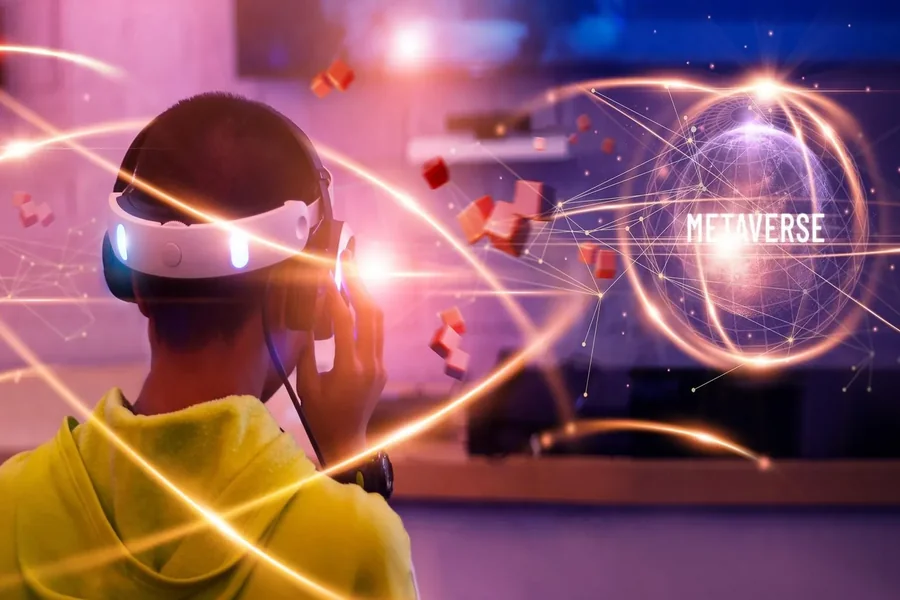
Online gaming has changed significantly over the years, moving from simple multiplayer experiences to advanced digital environments where players can connect, compete, and interact in real time. New technologies are making games more realistic, accessible, and engaging than ever before. From artificial intelligence to cloud-based platforms, these developments are changing how people play and experience digital entertainment.
As technology continues to advance, online gaming is becoming more than just a way to pass the time with PG SLOT เว็บตรง. It is developing into a connected entertainment industry where innovation influences gameplay, communication, competition, and accessibility. Understanding these changes helps explain why the gaming industry continues to attract millions of players worldwide.
The Growing Role of Artificial Intelligence in Gaming
Artificial intelligence (AI) is becoming an important part of modern game development. Developers use AI to create smarter non-player characters, improve in-game environments, and make gameplay more responsive. Instead of following predictable patterns, computer-controlled characters can react to player decisions and create more challenging experiences.
AI also helps developers understand player behavior. By analyzing gameplay patterns, gaming platforms can recommend suitable games, adjust difficulty levels, and improve personalized experiences. This makes games more interesting for different types of players, whether they prefer casual entertainment or competitive challenges.
Another important application is customer support and security. AI-powered systems can identify suspicious activities, detect cheating patterns, and help maintain fair gaming environments. As these systems improve, players can expect more balanced and enjoyable experiences.
Cloud Gaming Is Making Games More Accessible
Cloud gaming is changing the way people access and play digital games. Traditionally, players needed powerful computers or gaming consoles to run demanding titles. Cloud technology reduces this requirement by allowing games to run on remote servers while players stream the experience through supported devices.
This development makes gaming more accessible to people who cannot afford expensive hardware. With a stable internet connection, players may enjoy advanced games through laptops, smartphones, tablets, and other compatible devices.
Cloud gaming also reduces the need for large downloads and frequent hardware upgrades. Players can access supported titles without installing everything directly on their devices. Although internet speed, latency, and service availability remain important considerations, improvements in cloud infrastructure are helping this technology become more practical.
Virtual Reality and Augmented Reality Create Immersive Experiences
Virtual reality (VR) and augmented reality (AR) are introducing new ways to experience online entertainment. VR places players inside computer-generated environments, allowing them to interact with virtual objects and surroundings using specialized headsets and controllers.
This creates a stronger sense of presence compared with traditional screen-based gaming. Players can explore digital environments, participate in interactive activities, and communicate with others in more immersive ways.
Augmented reality takes a different approach by adding digital elements to the real world. It can combine physical surroundings with interactive game features, creating experiences that connect everyday environments with digital entertainment.
Although these technologies still face challenges involving hardware costs, comfort, and accessibility, continued development could make immersive gaming more common in the future.
Faster Internet Is Improving Multiplayer Experiences
Reliable internet connectivity plays a major role in modern online gaming. Faster broadband networks and the expansion of 5G technology are helping reduce connection delays and improve multiplayer performance.
Low latency is especially important for competitive games, where even a small delay can affect player decisions. Better connectivity allows players from different locations to participate in online matches with smoother interactions and more consistent performance.
Improved internet infrastructure also supports larger multiplayer environments. Developers can create more detailed virtual worlds where numerous players interact simultaneously. These improvements are helping online gaming become a more connected global experience.
The Future of Online Gaming and Digital Entertainment
The future of online gaming will likely involve a combination of emerging technologies rather than relying on a single innovation. AI, cloud infrastructure, immersive environments, and improved connectivity will continue to influence how developers design games and how players interact with digital platforms.
Blockchain technology and digital ownership are also being explored in parts of the gaming industry. Some platforms are experimenting with digital assets and player-controlled economies, although their long-term value and practical applications remain subjects of discussion.
Social interaction will remain another important part of this development. Modern games increasingly provide spaces where players can communicate, build communities, participate in events, and enjoy shared experiences beyond traditional gameplay.
Final Thought
Online gaming is evolving rapidly as new digital technologies reshape the entertainment landscape. Artificial intelligence is improving gameplay, cloud platforms are reducing hardware limitations, and VR and AR are creating more immersive experiences. Meanwhile, faster internet connections are making multiplayer environments smoother and more accessible.
These developments are opening new opportunities for players and developers alike. As technology continues to progress, online gaming will likely become even more interactive, personalized, and connected, making it an increasingly important part of modern digital entertainment.