Audiobooks are no longer a luxury reserved for big publishers or professional studios. Today, anyone with a script, blog post, or story idea can turn text into immersive audio using a free AI audiobook generator. Whether you’re an author, content creator, student, or marketer, AI-powered audiobook tools have made storytelling more accessible than ever.
In this guide, we’ll explore how free AI audiobook generators work, who they’re best for, and how to get professional-sounding results without any technical background. We’ll also share practical tips and real-world use cases so you can confidently start creating your own audiobooks today.
What Is a Free AI Audiobook Generator?
A free AI audiobook generator is an online tool that converts written text into spoken audio using artificial intelligence. These platforms rely on advanced text-to-speech (TTS) models that mimic natural human voices, including tone, pacing, and emotion.
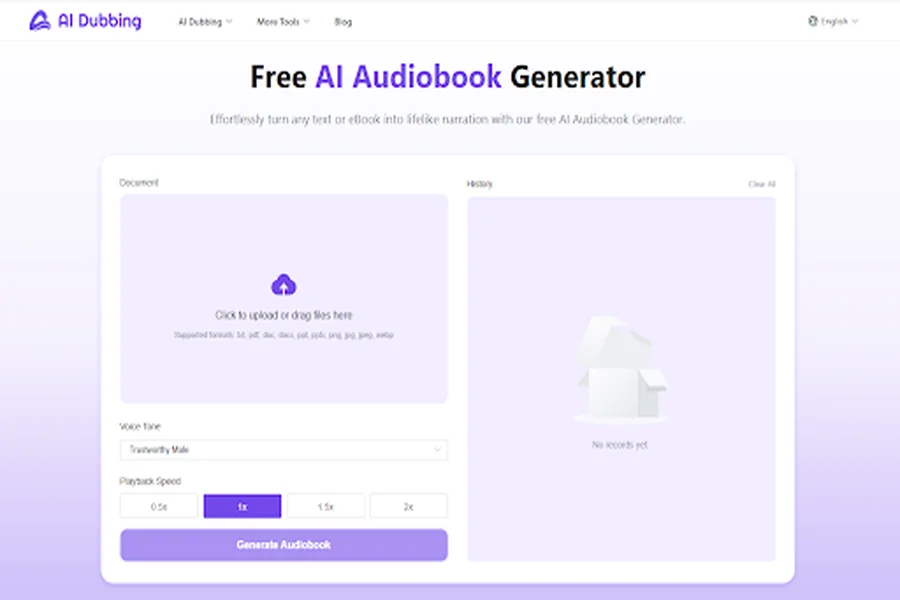
Unlike traditional audiobook production—which requires voice actors, recording equipment, and editing software—AI audiobook generators simplify the entire process. You paste your text, select a voice, adjust settings, and download your audio file. Some tools even allow chapter-by-chapter narration, making them ideal for long-form content.
For example, an AI Audiobook Generator can help you transform ebooks, blog posts, or training materials into high-quality audio within minutes, all from your browser.
Why Free AI Audiobook Generators Are Gaining Popularity
1. Zero or Low Cost Entry
One of the biggest advantages is affordability. Many creators want to test the audiobook format before investing money. Free tools make it possible to experiment, learn, and publish without financial pressure.
2. Speed and Convenience
What used to take weeks can now be done in hours. AI doesn’t need breaks, retakes, or studio time. This speed is especially helpful for bloggers or educators who frequently update content.
3. Accessibility for Global Audiences
Audiobooks help people who prefer listening over reading, including busy professionals and visually impaired users. AI voices also support multiple accents and languages, expanding your reach.
How a Free AI Audiobook Generator Actually Works
At its core, the process is simple:
- Upload or paste your text (story, article, script, or notes)
- Choose a voice (male, female, neutral, or expressive)
- Adjust settings like speed, pitch, or pauses
- Generate audio and export it in common formats such as MP3 or WAV
Behind the scenes, neural networks analyze sentence structure, punctuation, and context to produce natural-sounding narration. Modern AI has improved so much that many listeners can’t easily tell the difference between AI narration and human voiceovers—especially for non-fiction and educational content.
Real-World Uses of Free AI Audiobook Generators
Authors and Self-Publishers
Indie authors often struggle with audiobook production costs. AI allows them to release audio versions of their books quickly, test audience interest, and even use AI audiobooks as promotional samples.
Bloggers and Content Marketers
Turning blog posts into audio helps repurpose content for podcasts, websites, and social media. A single article can now live as both text and audio, boosting engagement.
Educators and Students
Teachers can create audio lessons, while students can listen to study notes on the go. This is especially useful for language learning and exam preparation.
Businesses and Trainers
From onboarding guides to internal documentation, AI audiobooks make corporate content easier to consume—especially for remote teams.
Free vs Paid AI Audiobook Tools: What’s the Difference?
Free AI audiobook generators are great for beginners, but it’s important to understand their limitations.
Free tools usually offer:
- Limited monthly character counts
- Fewer voice options
- Basic export features
Paid versions often include:
- Longer audio generation
- Advanced voice emotions
- Commercial usage rights
If you’re just starting out, free tools are more than enough. Once you grow or monetize your audiobooks, upgrading becomes a natural next step.
Actionable Tips to Get Better Results From Free AI Audiobook Generators
1. Edit Your Text for Listening, Not Reading
Written content doesn’t always sound good when spoken. Use shorter sentences, simple words, and conversational phrasing. Read your text out loud before generating audio.
2. Use Natural Pauses
Break long paragraphs into smaller sections. This helps the AI create natural pauses and improves listener comprehension.
3. Choose the Right Voice for Your Content
A calm, neutral voice works well for tutorials, while expressive tones are better for storytelling. Test multiple voices if possible.
4. Combine With Text-to-Speech Tools
If you’re experimenting or need quick snippets, using a text to speech free tool can help you refine your script before creating a full audiobook.
Are AI Audiobooks Accepted by Platforms?
This is a common concern. Many platforms now accept AI-narrated audiobooks, especially for non-fiction, educational, and self-published content. However, policies vary, so always check platform guidelines before uploading.
From a listener’s perspective, clarity and usefulness matter more than whether a voice is human or AI. As long as the narration sounds natural and engaging, most audiences are happy.
The Future of Free AI Audiobook Generation
AI audiobook technology is evolving rapidly. Voices are becoming more expressive, multilingual support is expanding, and customization options are improving. In the near future, we’ll likely see:
- Emotion-aware narration
- Real-time voice customization
- Seamless integration with publishing platforms
For creators, this means fewer barriers and more creative freedom.
Final Thoughts: Is a Free AI Audiobook Generator Worth It?
Absolutely. A free AI audiobook generator is one of the easiest ways to bring your words to life without expensive tools or professional studios. Whether you’re testing an idea, expanding your content formats, or making your work more accessible, AI audiobooks offer real value.
Start small. Experiment with short content. Learn what works for your audience. With the right approach, even free tools can deliver polished, professional results—and open the door to a whole new way of storytelling.