
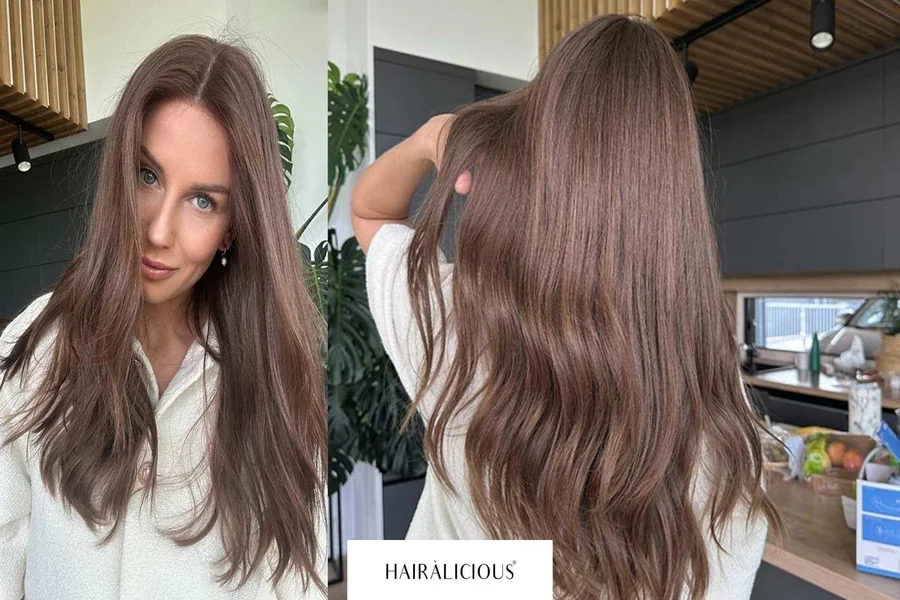
Choosing a wig that looks natural is not always as simple as picking human hair over synthetic. Density plays a huge role in how a wig falls, moves, and frames the face. Two wigs can be made from real hair and still create very different results once you put them on. For many women, the real question is not just about quality, but about which look feels more believable for everyday wear. This is where the comparison between fine hair wigs and high-density wigs becomes especially useful. One offers softness and subtlety, while the other creates fullness and drama. If your goal is a realistic look that matches your features and lifestyle, understanding this difference can save you from choosing a wig that looks great in photos but not quite right in real life.
Why density changes the entire look
When people talk about a wig looking natural, they are often reacting to density without realizing it. A wig with too much hair can look impressive, but it may also appear heavier, bulkier, or less believable, especially in daily settings. On the other hand, a lower-density wig tends to move more softly and sit closer to the head, which often feels more like natural hair.
A common mistake is assuming more hair automatically means a better wig. That is not always true. The most natural-looking choice depends on your own features, your usual hairstyle, and the type of result you want. Some women want a visible transformation, while others want something that quietly blends into their everyday appearance.
What makes fine hair wigs different
Fine hair wigs are designed to imitate naturally thin, soft hair rather than create volume. They are usually made from extremely fine hair strands with a smaller diameter, which gives the wig a lighter, subtler appearance. Instead of looking full and styled at all times, the hair falls more gently and has a softer texture.
This kind of wig is especially appealing to women who want a realistic look close to natural Caucasian hair patterns, where the hair often appears light, airy, and not overly dense. Because the strands are so fine, the overall result usually looks less “wiggy” and more understated. That is one reason fine hair wigs are often chosen by shoppers who want the wig to replicate their bio hair rather than dramatically change it.
Another advantage is comfort. Lower density usually means less weight, which can make everyday wear easier and more comfortable, especially for long hours.
What high-density wigs do better
High-density wigs serve a different purpose. They create fullness from roots to ends and often give a more polished, glamorous finish. If you want thick hair, a dramatic style, or a stronger transformation, a high-density wig may be the better choice.
For people who like the look of added fullness but prefer enhancing their natural hair rather than wearing a full wig, hair extensions can offer a similarly voluminous effect while blending seamlessly with existing hair. They are often chosen to increase density and create a fuller appearance without dramatically changing a person’s overall style.
They can also be more forgiving over time. Because there is more hair overall, shedding or minor breakage may be less noticeable than in a low-density wig. This can sometimes help the wig maintain its appearance longer. High-density wigs are also less likely to look sparse if you prefer bold styling, curls, or extra volume around the face.
Still, more density does not automatically mean more realism. On some people, especially those with naturally soft or fine hair, a very full wig can look disconnected from their features.
Which option looks more natural in everyday life
For everyday realism, fine hair wigs usually have the edge. Their lighter density, softer movement, and more delicate structure often mimic natural hair growth more convincingly than a thick, high-volume wig. They do not overwhelm the face, and they tend to create a more subtle result.
That said, natural does not mean the same thing for everyone. If your own hair is thick, or if you are used to more volume, a high-density wig may actually look more balanced on you. The most natural wig is the one that matches your proportions, styling habits, and expectations.
Here are a few simple ways to think about it:
- choose fine hair wigs if you want softness, lightness, and subtle realism
- choose high-density wigs if you want fullness, structure, and more impact
- match the wig to your natural features, not just to trend photos
So, which one should you choose?
If your goal is the most believable everyday look, fine hair wigs are often the stronger option. They are especially well suited to women who want a soft, lightweight style that mirrors naturally thin hair. High-density wigs can still look beautiful, but they usually create a more styled and noticeable effect.
The right choice comes down to whether you want replication or transformation. If natural movement, lower volume, and quiet realism matter most, fine hair wigs are usually the better fit.