
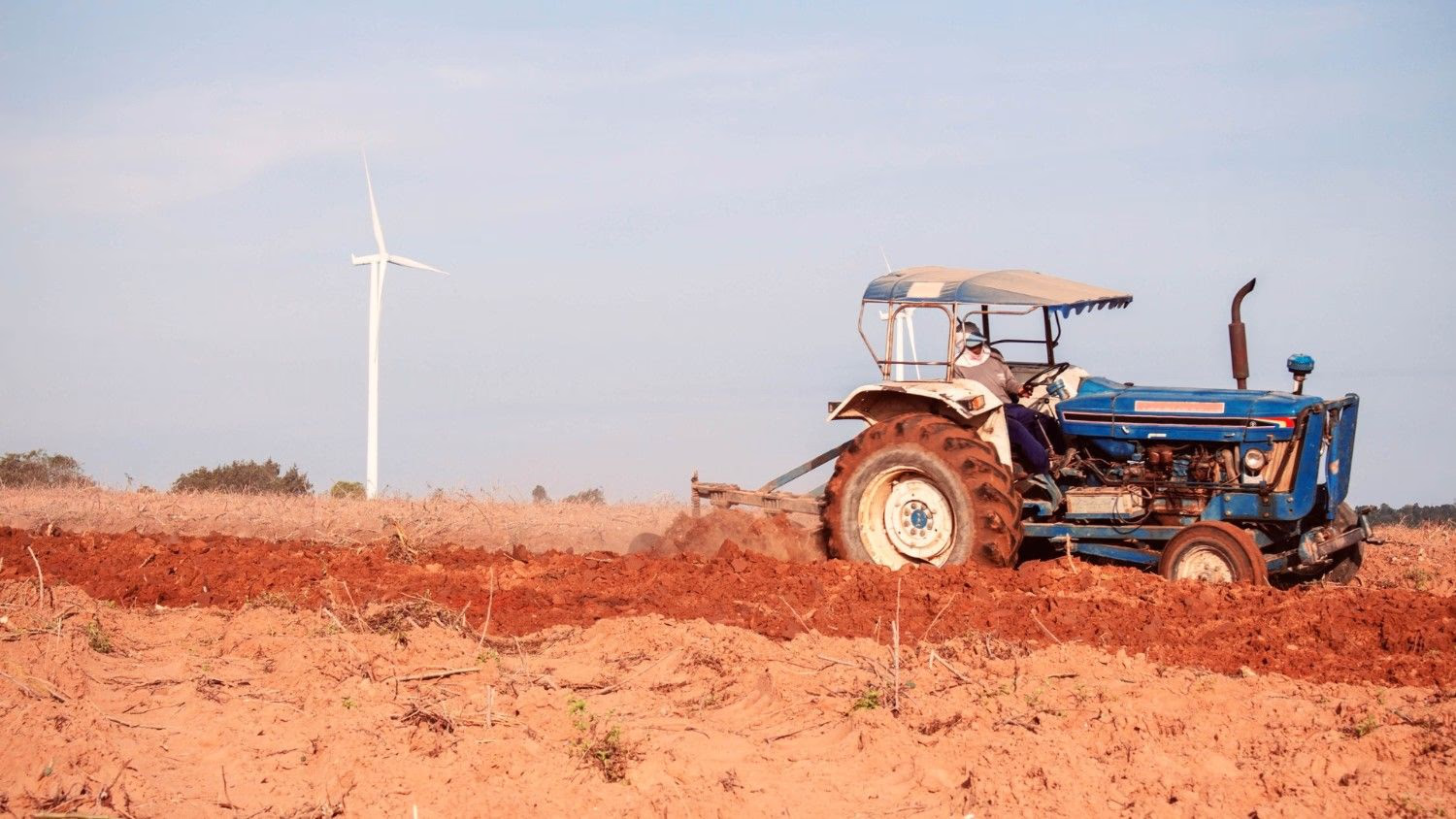
The efficiency of modern farming operations heavily depends on the reliability and performance of farm equipment. As farming demands evolve, the need for specialized components that improve the functionality and durability of machinery has never been more critical. Agriculture machining plays a pivotal role in the production of these components, ensuring that farm equipment operates at peak efficiency while minimizing downtime.
By utilizing advanced machining processes, agriculture machinery manufacturers can create high-precision, durable parts that enhance the performance of agricultural equipment. In this listicle, we will explore the seven key benefits of agriculture machining and how it contributes to the overall efficiency of farming equipment.
1. High Precision for Critical Components
One of the primary advantages of agriculture machining is its ability to produce parts with high precision. In farming equipment, components like gears, bearings, and engine parts require exact dimensions to ensure that machines operate smoothly. Precision machining ensures that these components meet strict tolerances, reducing the risk of equipment failure and improving performance.
Benefits:
- Accurate dimensions that ensure smooth equipment operation
- Reduced risk of part malfunction or premature wear
- Improved machine uptime and reliability
Precision parts lead to fewer breakdowns, which is critical for farmers who rely on their equipment for daily operations.
2. Increased Durability and Longevity
Agricultural equipment is often exposed to harsh conditions, including high loads, vibrations, and exposure to elements such as dirt, moisture, and chemicals. Agriculture machining ensures that parts are made from durable materials and are designed to withstand these conditions.
Benefits:
- Enhanced material strength and wear resistance
- Longer-lasting components, reducing the frequency of replacements
- Improved resistance to rust and corrosion, especially in harsh weather conditions
By improving the durability of farm equipment, machining helps farmers reduce maintenance costs and avoid unexpected equipment failures.
3. Customization for Specialized Farm Equipment
Farming operations require a wide variety of specialized equipment, from tractors to harvesters, each with its own set of parts and functions. Agriculture machining allows for the customization of parts to suit the unique needs of specific machines, improving their performance and adapting them to specific tasks.
Benefits:
- Tailored parts for specialized equipment
- Ability to modify components to meet unique farm needs
- Flexibility in designing and manufacturing one-of-a-kind parts
Custom machining ensures that farmers have the right parts to optimize their equipment’s capabilities for particular tasks or environments.
4. Reduced Downtime and Increased Productivity
When agricultural machinery breaks down, it can lead to costly delays and reduced productivity. Agriculture machining improves equipment reliability, helping to minimize downtime by providing parts that are built to last and fit properly.
Benefits:
- Fewer repairs and maintenance cycles
- Faster equipment repairs due to precise, easy-to-install parts
- Increased overall farm productivity as machinery runs efficiently
By ensuring that parts are made to the highest standards, agriculture machining helps keep farming operations running smoothly and on schedule.
5. Efficient Production and Fast Turnaround
In the agriculture industry, time is often of the essence. Farmers need equipment repairs and new components quickly to avoid downtime during crucial periods, such as planting or harvest season. Agriculture machining provides efficient production processes that enable quick turnaround times for part manufacturing.
Benefits:
- Faster production of critical parts
- Reduced lead times for custom and replacement components
- Availability of components during peak farming seasons
A quick turnaround helps farmers get back to work without unnecessary delays, especially during busy times when downtime can significantly impact output.
6. Cost-Effective Manufacturing
While custom machining for agriculture parts might seem like an expensive option, the long-term savings are significant. High-quality, well-machined components reduce the need for frequent replacements and minimize the costs associated with downtime and repairs.
Benefits:
- Reduced maintenance costs due to longer-lasting parts
- Lower operational costs from improved equipment efficiency
- Reduced need for frequent part replacements
By investing in high-quality machining services, farmers can save money in the long run by avoiding constant repairs and replacements of lower-quality components.
7. Better Performance and Efficiency of Equipment
Ultimately, the goal of agriculture machining is to improve the performance and efficiency of farm equipment. By producing parts that are precision-engineered, durable, and customized, farmers can optimize the function of their equipment and ensure that it operates at peak performance.
Benefits:
- Improved fuel efficiency and lower operational costs
- Enhanced power transmission and mechanical function
- Smoother and faster operation with optimized components
High-quality machining ensures that machinery performs more efficiently, contributing to better output and profitability for farmers.
Conclusion
Agriculture machining plays a vital role in ensuring that farm equipment operates efficiently and reliably. With benefits such as high precision, increased durability, customization, reduced downtime, and cost-effective manufacturing, it’s clear that investing in professional machining services is essential for any farming operation looking to improve its productivity and reduce maintenance costs.
By partnering with an experienced agriculture machining provider, farmers can secure high-quality, long-lasting components that are tailored to their specific needs. Whether it’s for repairs, upgrades, or new machinery, the advantages of professional CNC machining for agriculture are evident — helping farmers achieve better results, lower costs, and a more efficient, productive operation.